Ceasefire Talks in Middle East: A Complex Path Forward
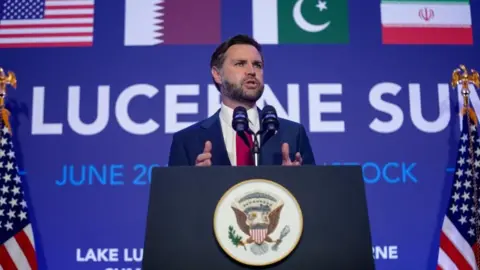
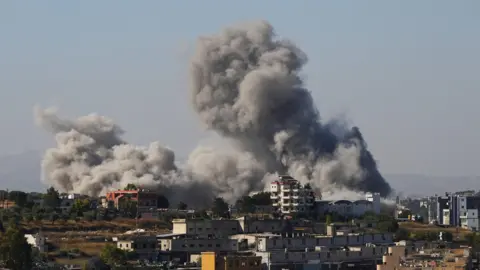
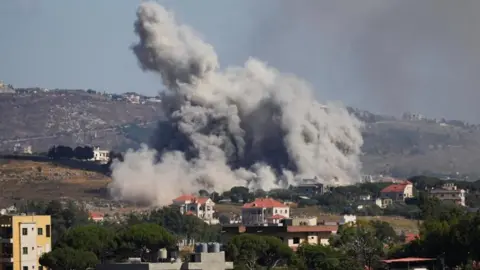
The best hope for the ceasefire talks in Pakistan is that both the United States and Iran have strong reasons to call a halt to the war. The biggest obstacle to their success is a total absence of trust, no discernible common ground and the fact that Israel, America's full partner in the war, has hugely escalated its onslaught on Lebanon.
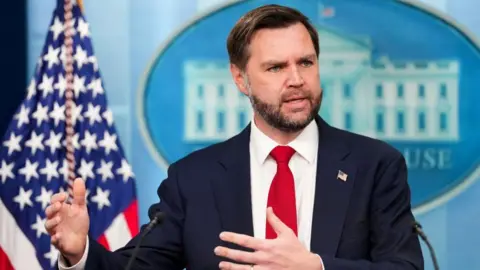
US President Donald Trump is already speaking about the war in the past tense. He has declared victory and needs an exit. Not only does he have a state visit from King Charles in the diary for later this month, followed by a summit with China's President Xi Jinping in May, there are midterm elections in November. With America's summer holiday season looming, Trump also needs petrol prices to fall back to where they were before he went to war. Royal visits, summits, and elections do not mix well with wars.
Iran's regime has its own reasons to end the war. It is as defiant as ever, still able to launch missiles and drones, with its social media warriors pouring out AI videos lampooning Donald Trump. But Iran has suffered massive damage. Cities have come to an economic standstill and the regime needs time to regroup and will try to use the talks in Pakistan to strengthen its position.
Creating a more durable ceasefire will require some kind of agreement to at least keep talking about the two sides' contradictory lists of intractable issues. In wartime, without any kind of mutual trust, even a form of words that keeps the ceasefire going irrespective of there being no agreement on wider issues will look positive. No agreement at all points towards the road back to war.
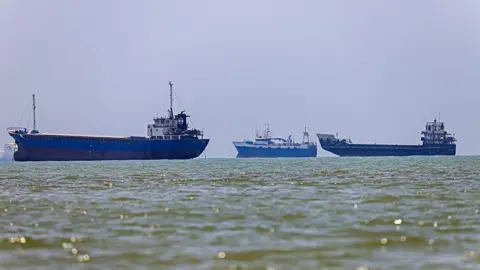
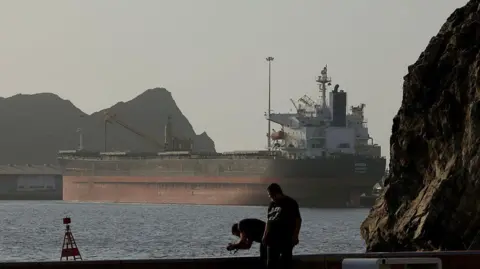
The newest, and most urgent problem they face concerns reopening the Strait of Hormuz, the narrow exit from the Gulf. Keeping it closed gives Iran a chokehold on the world economy.
The war that the US and Israel ignited is already reshuffling Middle Eastern geopolitics. As the longer-term consequences of the war reveal themselves, that process will deepen. The American ambitions had been to eliminate Iran as a threat, but Iran retains its resilience and military capability. This ongoing conflict not only threatens regional stability but also has the potential to reshape alliances and economic strategies in the Middle East.