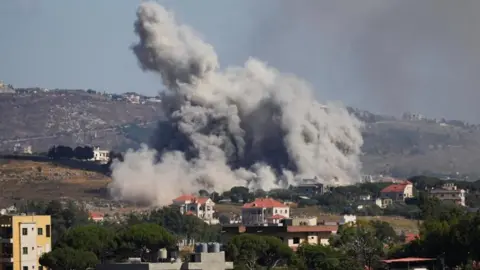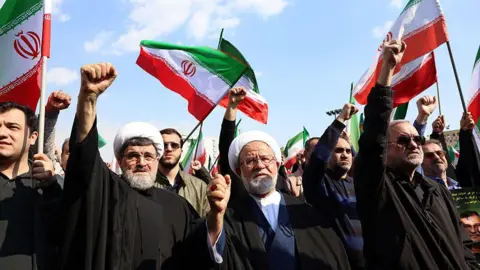
In the ongoing conflict with the US and Israel, Iran's focus has shifted to survival, revealing the perseverance of its current regime. Following recent military challenges, including the assassination of key leaders, Iran's command structures have remained largely intact. President Masoud Pezeshkian and other prominent officials continue to hold power, indicating no significant change in the political landscape.
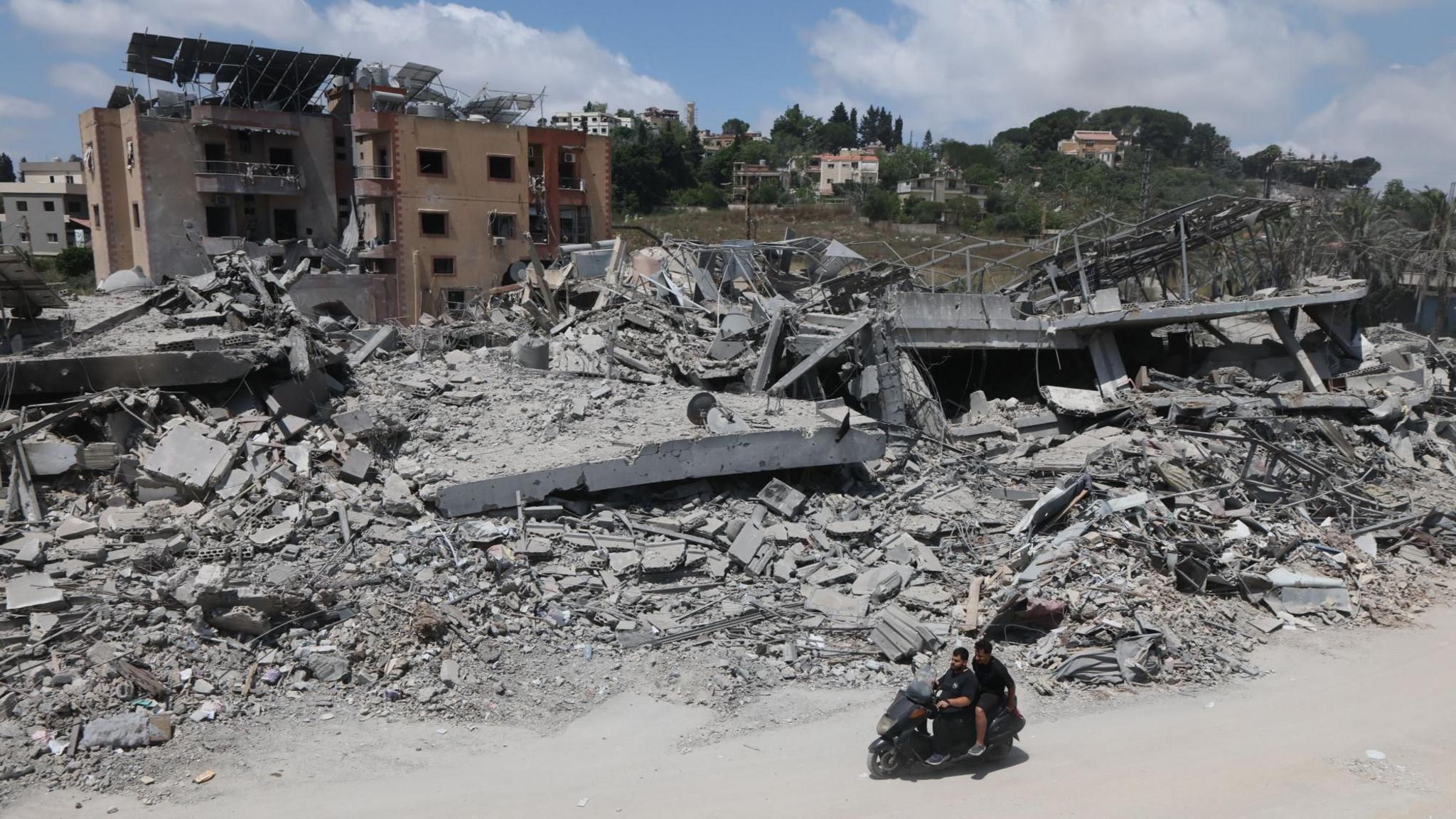
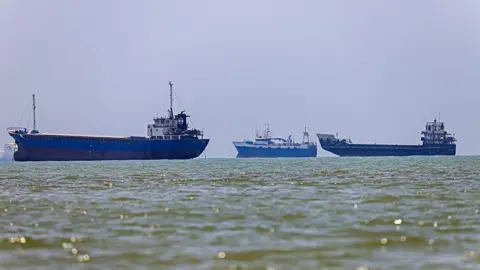
Despite major combat losses and damage to military assets, Tehran operates under a principle of endurance against perceived threats, with an aim not for victory in a conventional sense but to remain standing. The Islamic Republic has maintained its influence over critical energy routes like the Strait of Hormuz, solidifying its leverage even amidst assaults.
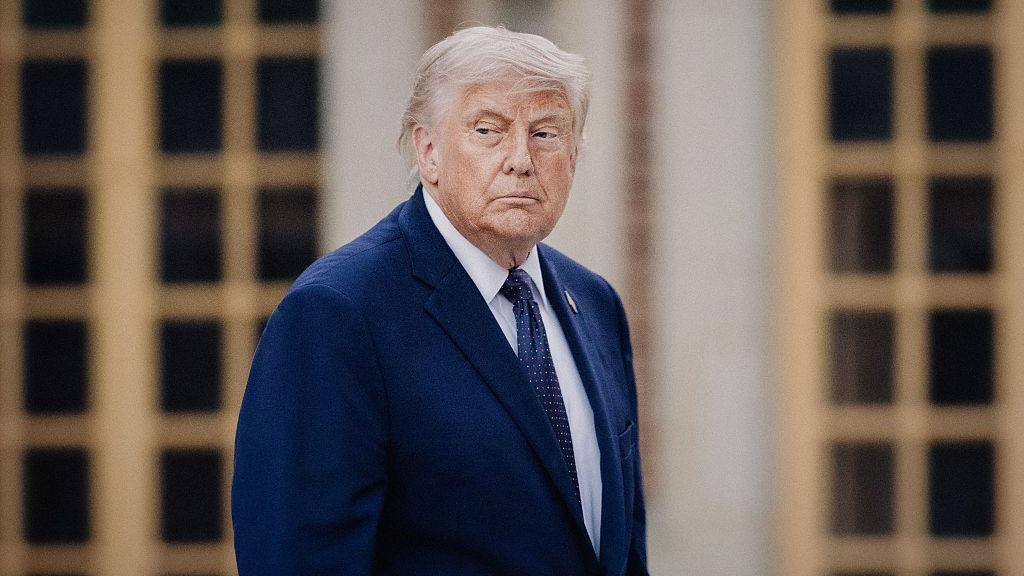
This context creates a dilemma for Washington; disengaging now risks reinforcing Iran's approach to conflict, while continued engagement could escalate costs without a clear endpoint. Trump's assertions of effective regime change conflict with the reality of ongoing structures of power within Iran, highlighting the persistent authority emanating from the supreme leader's office.
The current focus remains on regime survival and addressing the basic tenets of sovereignty, alongside guarantees against future military interventions. Iran's resistance to compromise on these demands illustrates its unwillingness to alter the foundational aspects of its governance despite external pressures.
As the war progresses, both Iran and external powers face critical choices. The ongoing conflict could reshape regional dynamics and the credibility of aggressive strategies, underscoring the intricate balance between military action and diplomatic resolutions.