In brief
Airlines are canceling flights as jet fuel supplies dwindle due to ongoing conflicts in the Middle East, causing travel disruptions globally. This situation is expected to intensify with increased demand as summer travel peaks. Passengers must navigate varying customer rights and prepare for potential flight cancellations by being informed about their options and rights. The article outlines steps to take if flights are canceled, the passenger rights that vary by region, and recommendations to ease travel frustrations during these shortages.
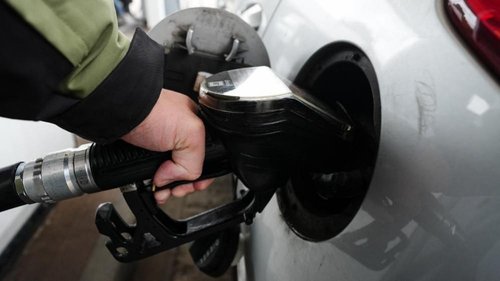
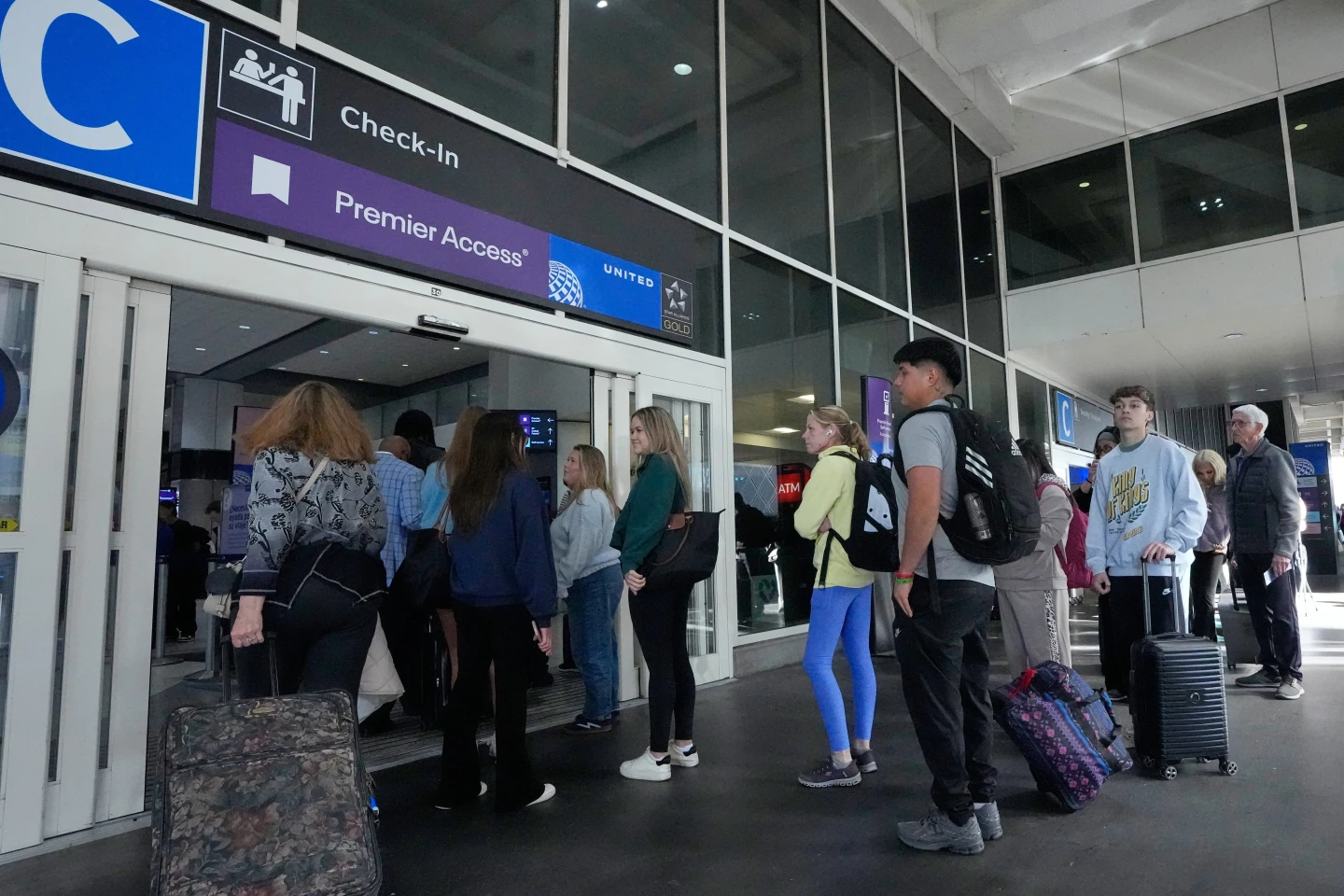
Numerous airlines globally are responding to escalating jet fuel prices by cutting back on flights due to complications arising from geopolitical tensions in the Middle East. As a result, travelers are encountering difficulties managing flight cancellations, which may become an even more significant issue as summer travel season approaches.
Eric Napoli, chief legal officer at AirHelp, highlights how the combination of rising fuel costs and increasing travel demand, particularly with events like the World Cup approaching, is putting immense pressure on airlines and travelers alike.
For travelers coping with canceled flights, immediate action is recommended. Passengers should check their airline’s app or website for rebooking options. For non-U.S. carriers, alternative methods like customer service lines might be necessary.
Understanding Your Rights
In most situations, travelers are entitled to either a refund or an alternate flight. In the U.S., for example, airlines must refund passengers if they choose not to travel. However, rules differ widely across countries, especially between the U.S. and Europe, where protections are more robust.
Travelers are encouraged to know their rights under local laws, as protections can vary dramatically. For instance, European regulations demand airlines to provide comprehensive support during cancellations.
Preparations for Travelers
Travelers are advised to stay informed by signing up for flight alerts and booking directly with airlines. Familiarizing oneself with alternative travel routes, booking flights early in the day, and maintaining calm during interactions with airline staff can also mitigate travel headaches.
Ultimately, the current situation presents a challenge for both travelers and airlines, and as the summer travel season approaches, the industry is watching closely for any potential resolutions to fuel shortages.