In brief
In August 2026, news reported that 15 elephants died around Amboseli National Park, possibly due to cyanide in pesticides sprayed on nearby tomato farms. Kenya Wildlife Service found partial paralysis and cyanide traces in stomach contents, hinting at accidental or deliberate poisoning, yet conservationists doubt the linking evidence, citing atypical victim demographics and insufficient data. A 2024 report highlights illegal cyanide insecticide imports from Tanzania, underscoring weak regional enforcement. Increasing agricultural encroachment around the park adds pressure on wildlife, further complicating interpretations. The situation remains unresolved, with concerns over remaining elephants and local communities.
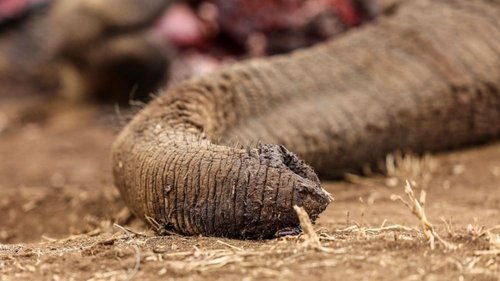
On 5 August 2026, reports emerged that fifteen elephants died in and around Amboseli National Park, possibly poisoned by cyanide‑laden pesticides sprayed on nearby tomato farms.
The Kenya Wildlife Service (KWS) observed partial paralysis and cyanide traces in the animals’ stomach contents, suggesting accidental or deliberate poisoning, though the evidence is far from conclusive.
Farmers in Kimana—in the corridor between Amboseli and Tsavo—claim they have never witnessed such deaths. They question the pesticide link, noting that most victims were female, contrary to the typical risk profile for male elephants.
A 2024 report by the Route to Food initiative highlighted illegal cyanide‑based insecticides imported from Tanzania, pointing to weak enforcement and cross‑border smuggling that could fuel such incidents.
Meanwhile, expanding agriculture around the park presses on wildlife corridors, adding new layers of conflict and possibly influencing death patterns.
Authorities have not ruled out deliberate poisoning and warned that remaining elephants and nearby residents could still be at risk while the exact cause remains unknown.
For more on Kenyan wildlife stories, visit BBC Africa.