Trump’s AI Summit Highlights Climate Concerns
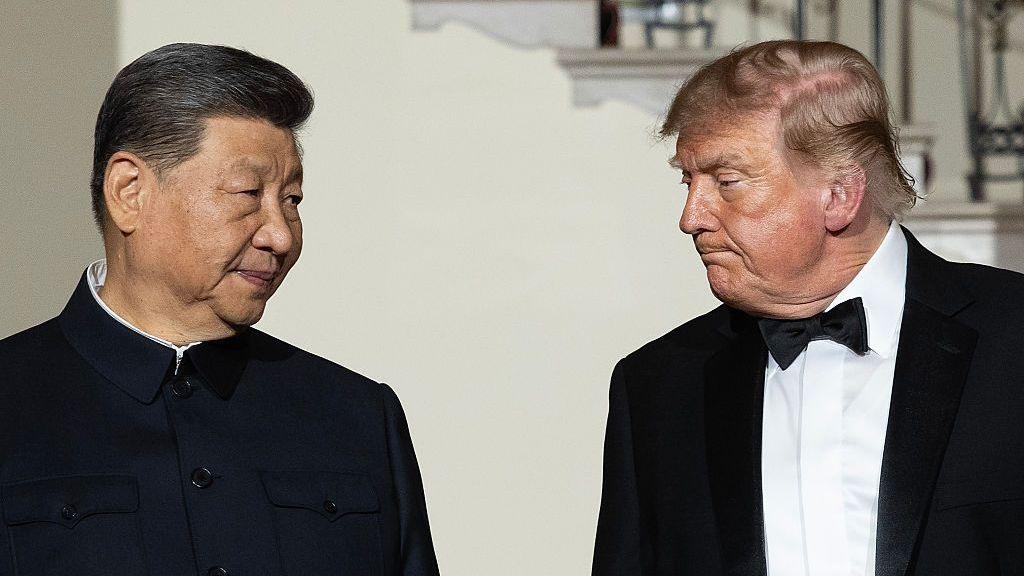
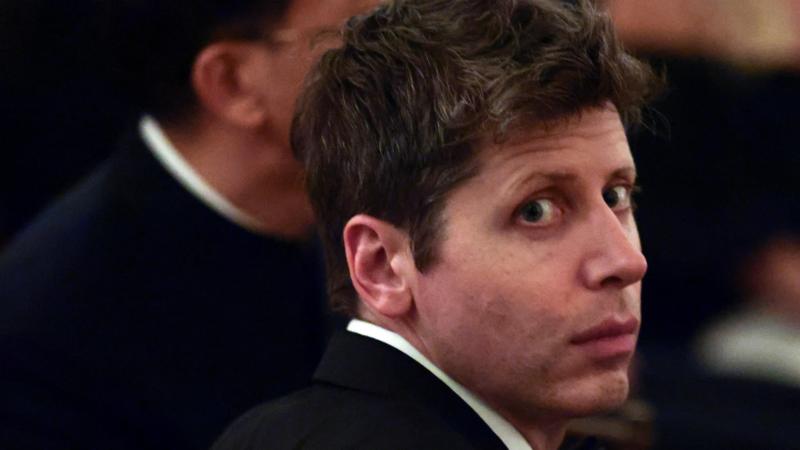
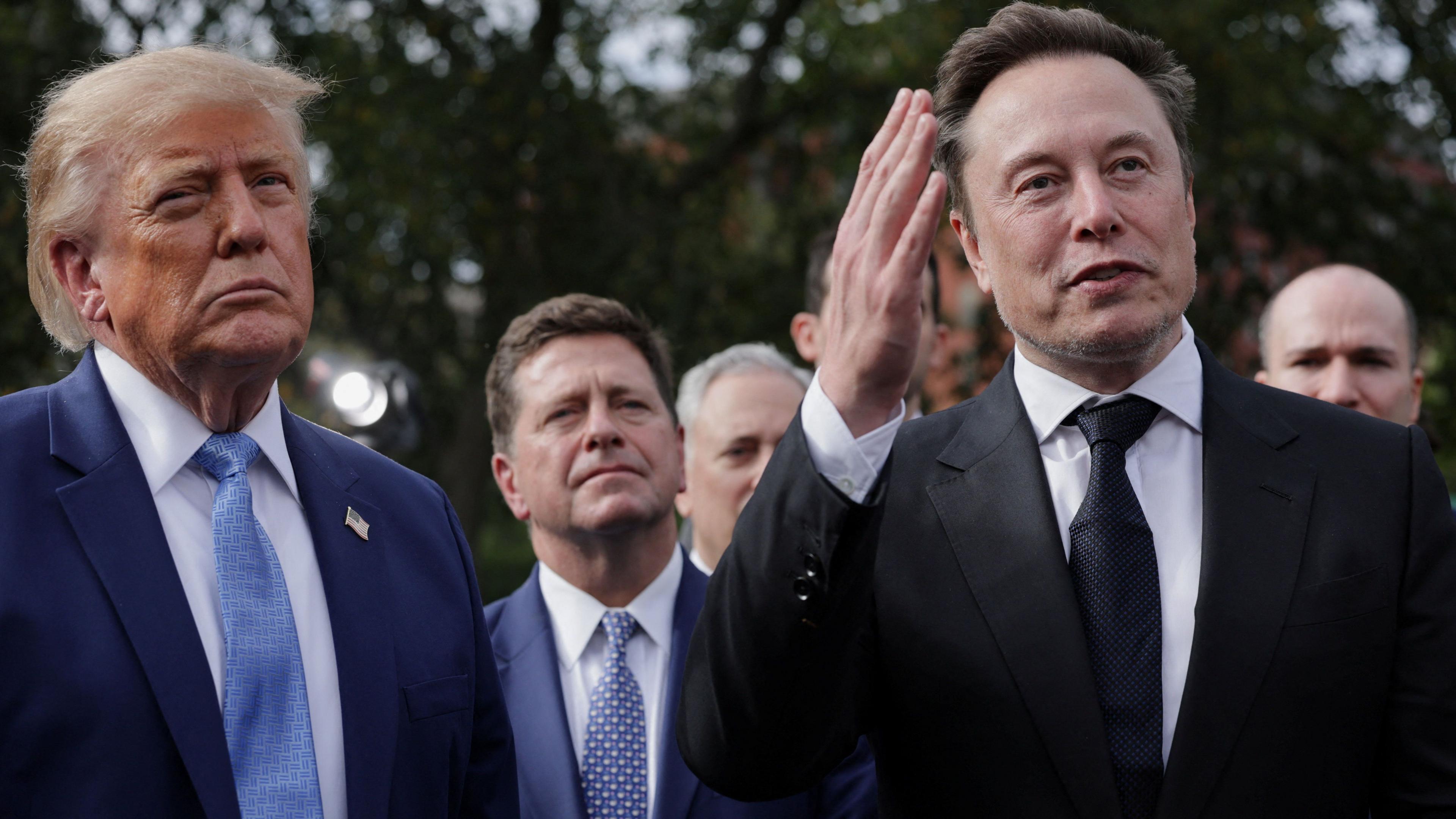
On Tuesday, President Donald Trump convened a “Super Intelligence” summit at the White House, gathering leaders from OpenAI, Meta, SpaceX, Nvidia, Anthropic, and Google.
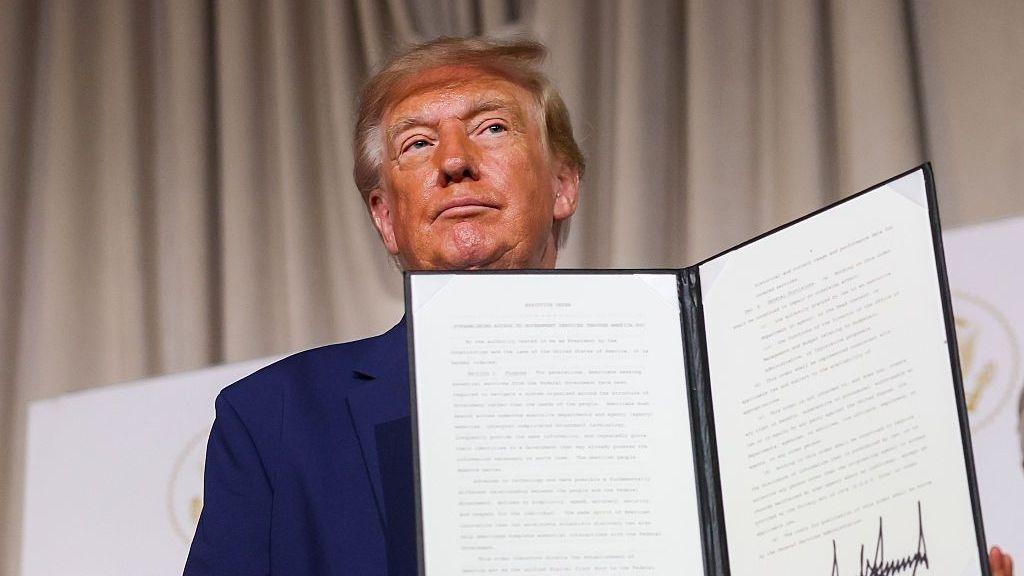
The headline of the meeting was a self‑regulation pact. Executives signed a document promising to set safety protocols, conduct independent audits, and respond swiftly to any AI failures.
Critics such as researchers from Nanyang Technological University argue that the pact offers little accountability and no enforcement mechanism.
Another focus of the summit was the rapid expansion of data centres, the backbone of AI computing. Trump urged companies to build more facilities and reassured communities of their economic benefits.
However, the energy demand of data centres is a growing climate issue. Analysts point out that the U.S. IT sector consumes roughly 1‑2% of national electricity, comparable to the average household, and that new towers will increase greenhouse gas emissions unless powered by renewable sources.
Trump’s executive order also introduced the term “Super Intelligence” to replace “artificial intelligence” in government documents, reflecting a shift in branding that has drawn international attention.

In summary, the summit’s ambitions to govern AI responsibly coexist with the urgent need to mitigate the environmental footprint of the industry it fuels.