Trump Blocks US‑China AI Partnership, Risks Climate Tech Gains
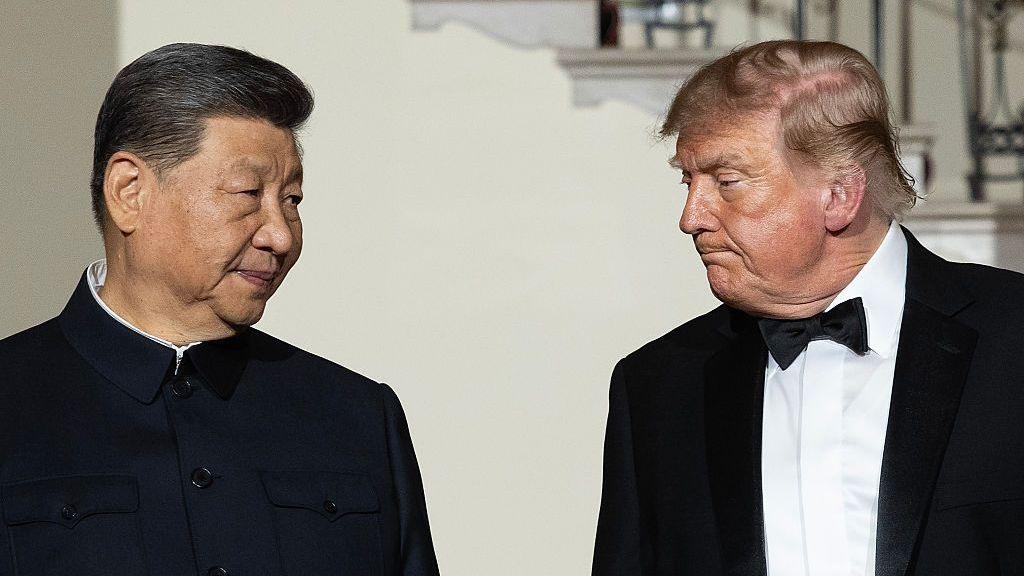
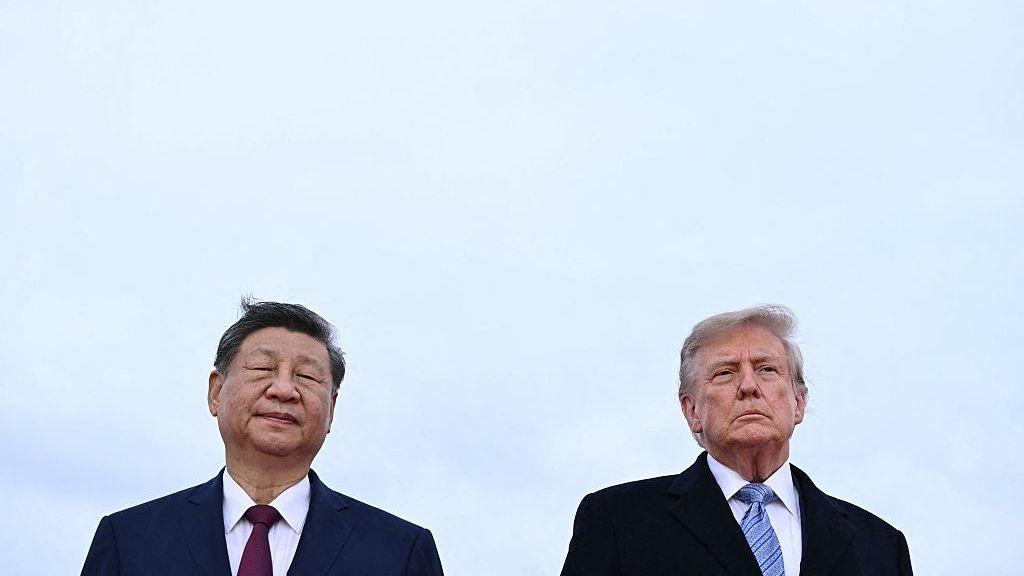
In a speech at Washington’s America.gov launch, former President Donald Trump said the United States would not partner with China on artificial‑intelligence development, arguing that sharing knowledge would "give away secrets" to America’s key competitor. The announcement came after President Xi Jinping’s recent visit to the White House and the launch of a new AI dialogue meant to foster cooperation between the two powers.
Trump portrayed the U.S. as the dominant AI nation, warning that collaboration could allow China to "immediately gain access to things that we know they don’t know." He dismissed the idea as a threat to American technological leadership and refused to consider a joint venture, calling it a strategic liability.
The decision comes at a time when many experts highlight how cross‑border AI collaboration can accelerate climate‑change solutions. From climate modelling to renewable‑energy optimisation, AI systems often rely on large, diverse datasets that are best shared internationally. Scholars argue that automated carbon‑emission forecasting and AI‑driven weather prediction could be pivotal in both mitigating emissions and adapting to a warming planet.
Government and industry watch closely as both nations pledge to protect national security while promising global economic gains. Trump’s stance has sparked concern that isolationist policy may slow the deployment of AI at scale for climate mitigation, an area many see as urgent. A recent Politico poll found that two‑thirds of Americans view AI as a moderate risk to humanity, and political leaders are under pressure to set safeguards.
Despite growing calls for safety measures, Trump has dismissed AI risks as a "hoax," likening the debate to his objections to global‑warming science. Climate activists argue that ignoring AI’s potential, both its benefits for green technologies and its risks, is a dangerous gamble for the future of the planet.
With November’s AI dialogue approaching, the international community hopes that future talks will emphasize both innovation and governance—especially as nations grapple with climate change’s urgent demands. The outcome could shape not only the trajectory of U.S.-China tech competition but also the pace at which AI tools help safeguard Earth’s climate futures.