Trump’s refusal to partner with China on artificial intelligence marks a sharp turn in global tech diplomacy, with implications that extend beyond corporate boundaries. The move comes at a time when AI is increasingly employed to refine climate models, accelerate clean‑energy research, and optimize carbon‑capture technologies that could mitigate the planet’s warming trajectory.
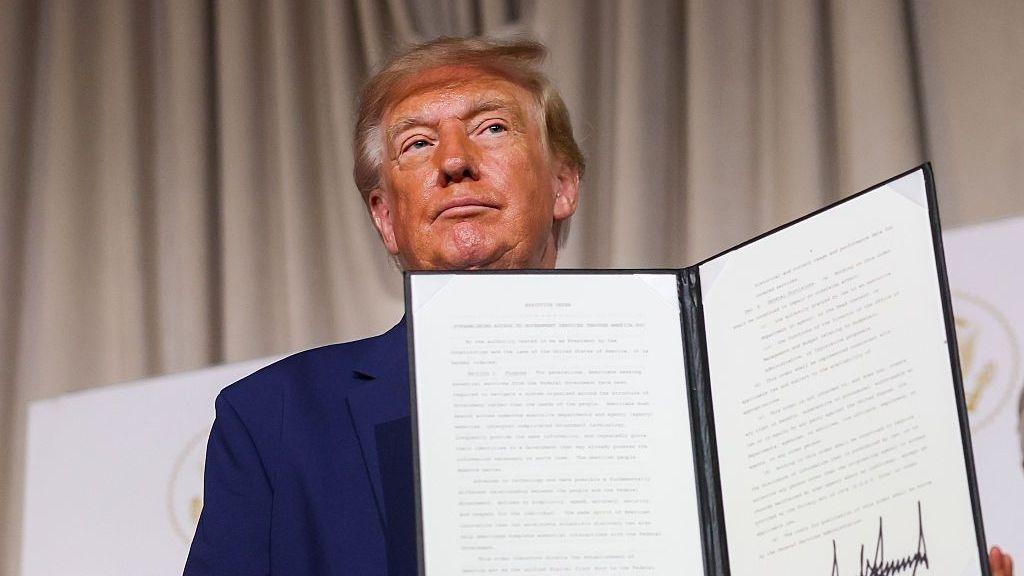
During a Washington launch of an AI‑powered government portal, Trump said the United States does not wish to “mix it up” with a rival that could leverage sensitive information. He emphasized the U.S. leading the field of AI, calling any collaboration a potential leak of national intellectual capital.
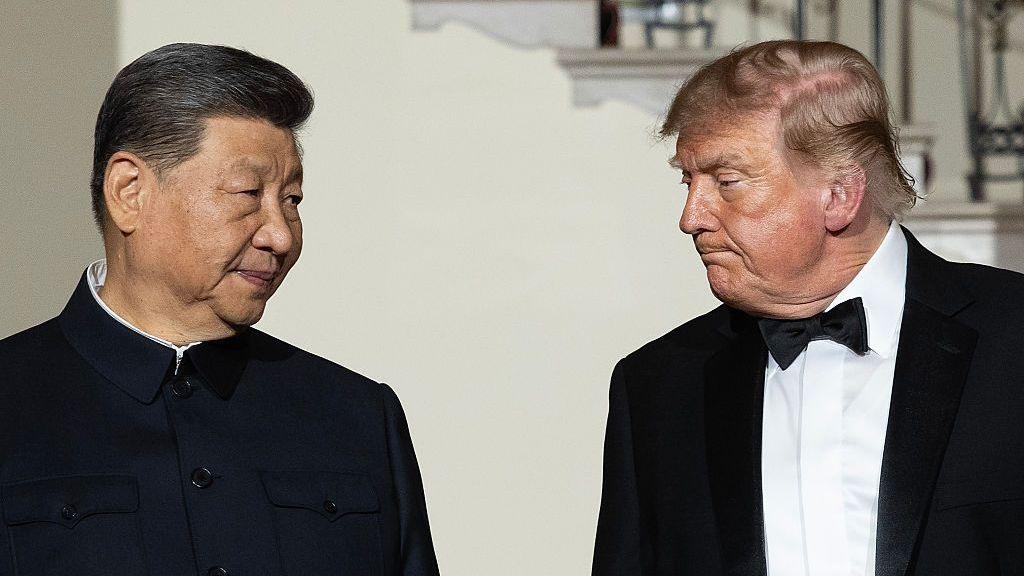
The announcement follows a recent United Nations summit where Trump and Xi Jinping laid groundwork for a new AI dialogue, including a communications channel to prevent misunderstandings in technology incidents. A joint venture, however, would involve sharing costly data sets and algorithms that are considered national security assets.
While the US claims to front‑line AI development, China is rapidly closing the gap, investing heavily in climate‑friendly AI ventures such as satellite monitoring of deforestation and energy‑efficient grid management. Cooperative research could substantially accelerate the deployment of AI tools that reduce emissions and enhance resilience against climate disasters.
Contrastingly, public concern over safety risks of advanced AI is growing. A late‑September PolitiCo poll found that two‑thirds of Americans perceive a moderate risk that AI could jeopardize humanity. The Trump administration has dismissed these worries, likening them to a “global warming scam.” Yet, robust, inclusive governance could mitigate such risks while unlocking environmental benefits.
For the climate community, the decision underscores a broader tension: whether keeping AI technology in national hands hinders or safeguards environmental progress. Integrated AI solutions for the climate crisis require not only technical prowess but also cross‑border collaboration, data sharing, and regulatory alignment. As the world navigates complex future scenarios, the path chosen by the United States—whether isolationist or cooperative—will shape the trajectory of global sustainability efforts.