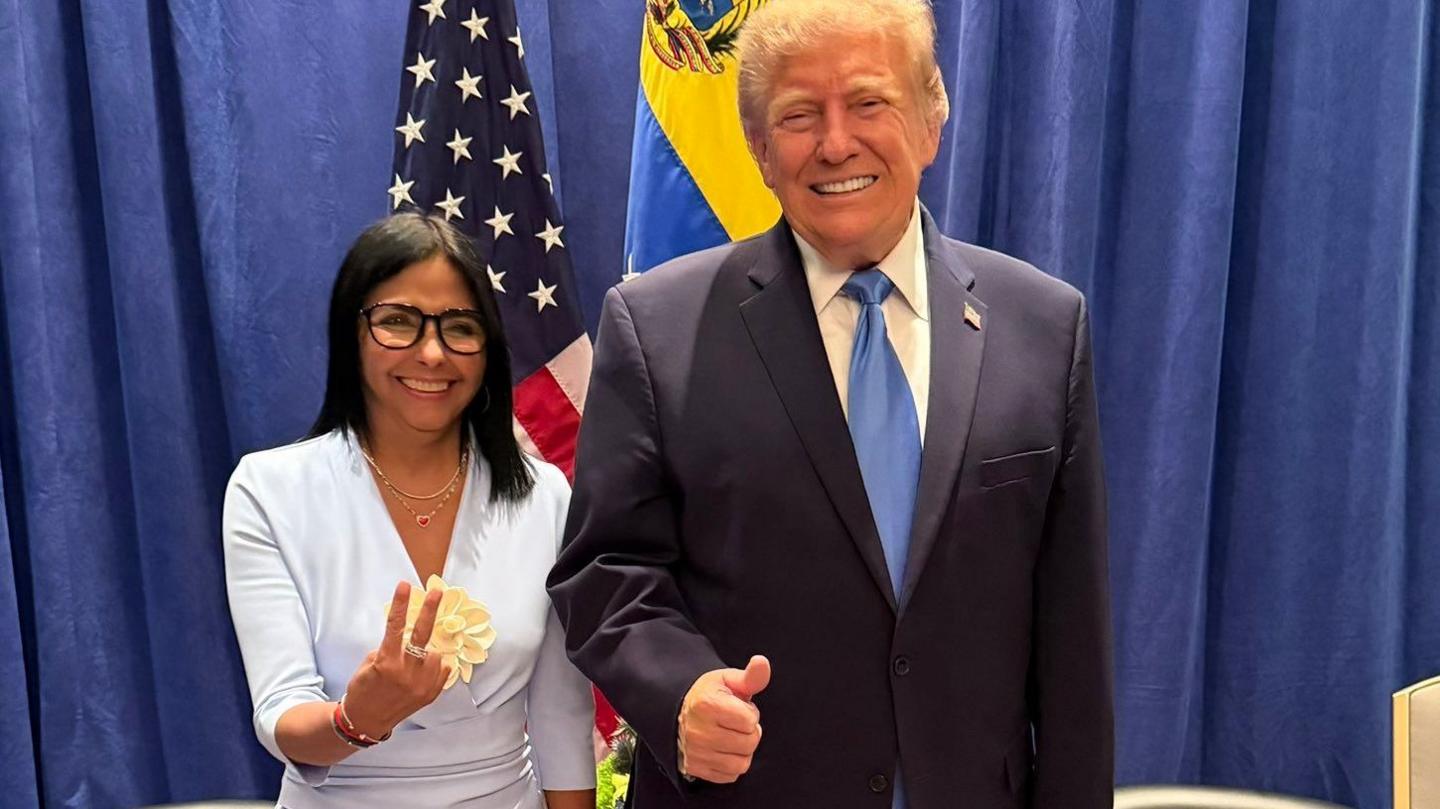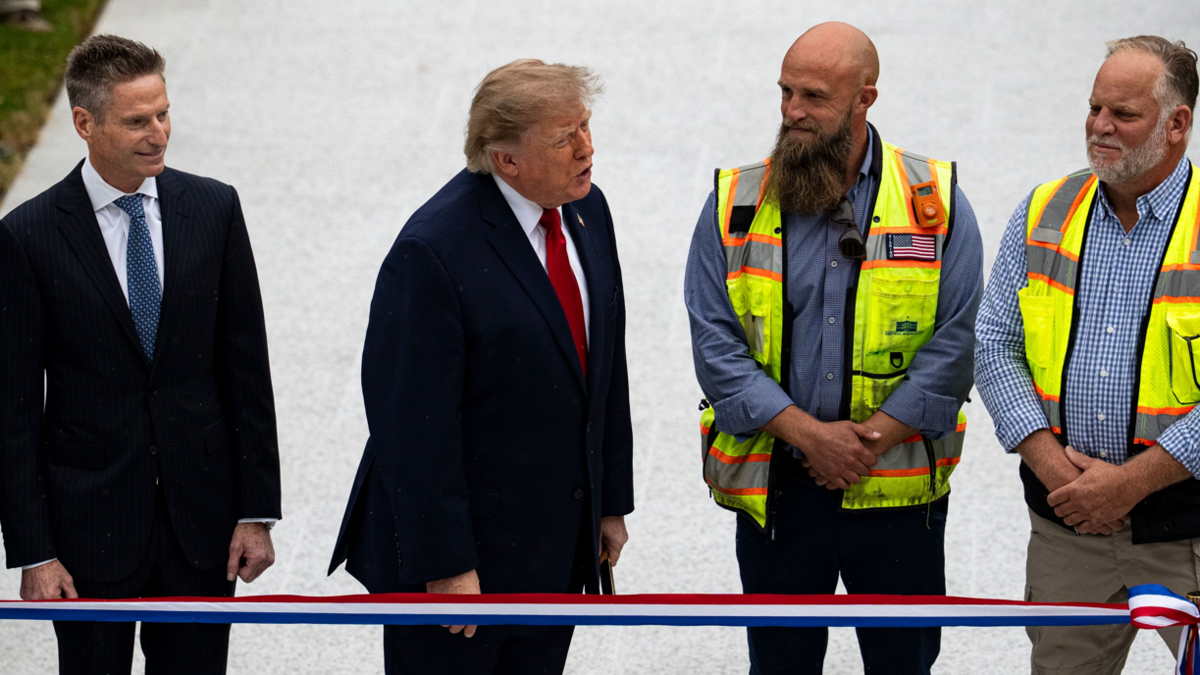

Venezuela has released dozens of political prisoners following a meeting between interim President Delcy Rodríguez and U.S. President Donald Trump.
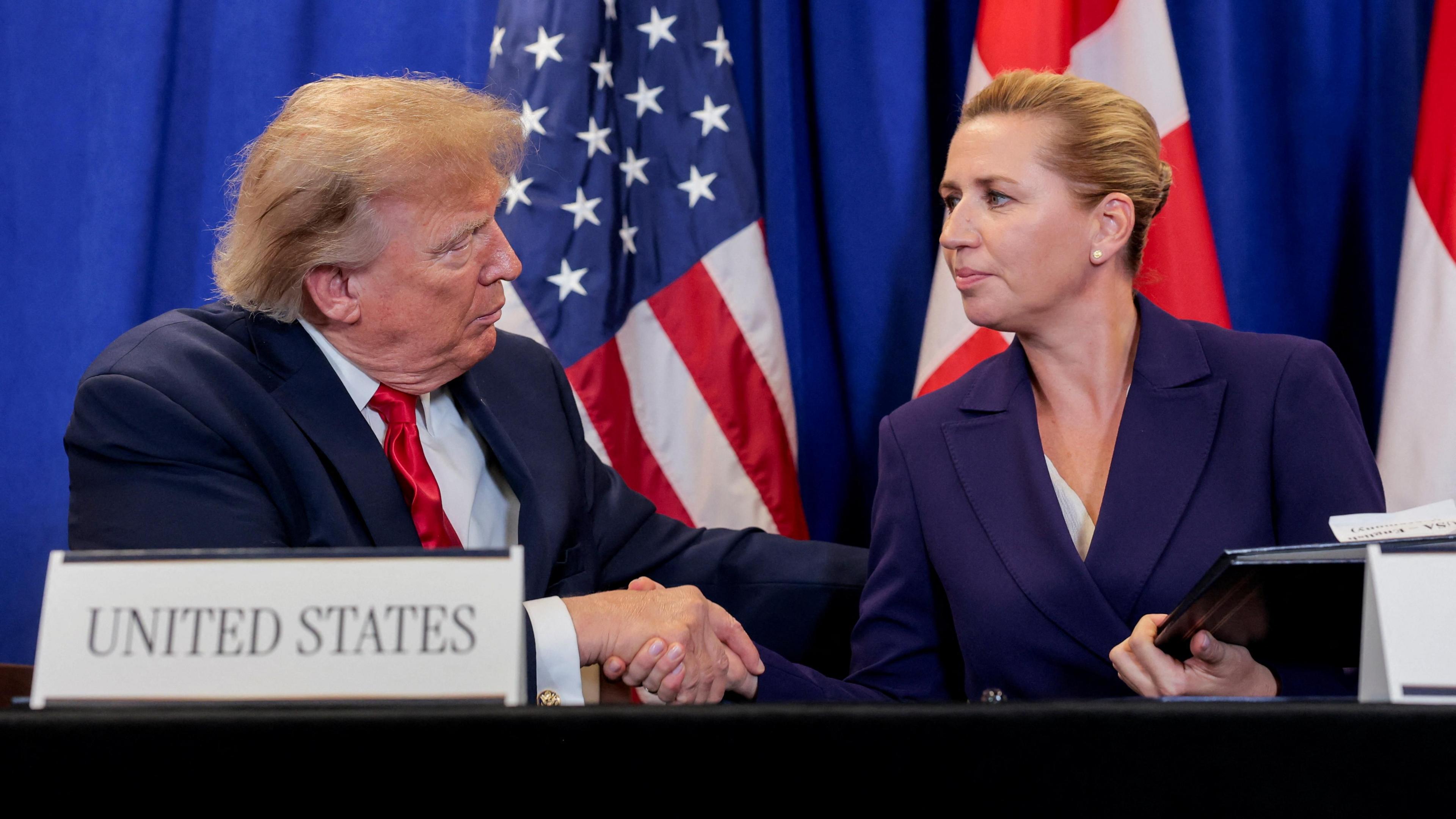
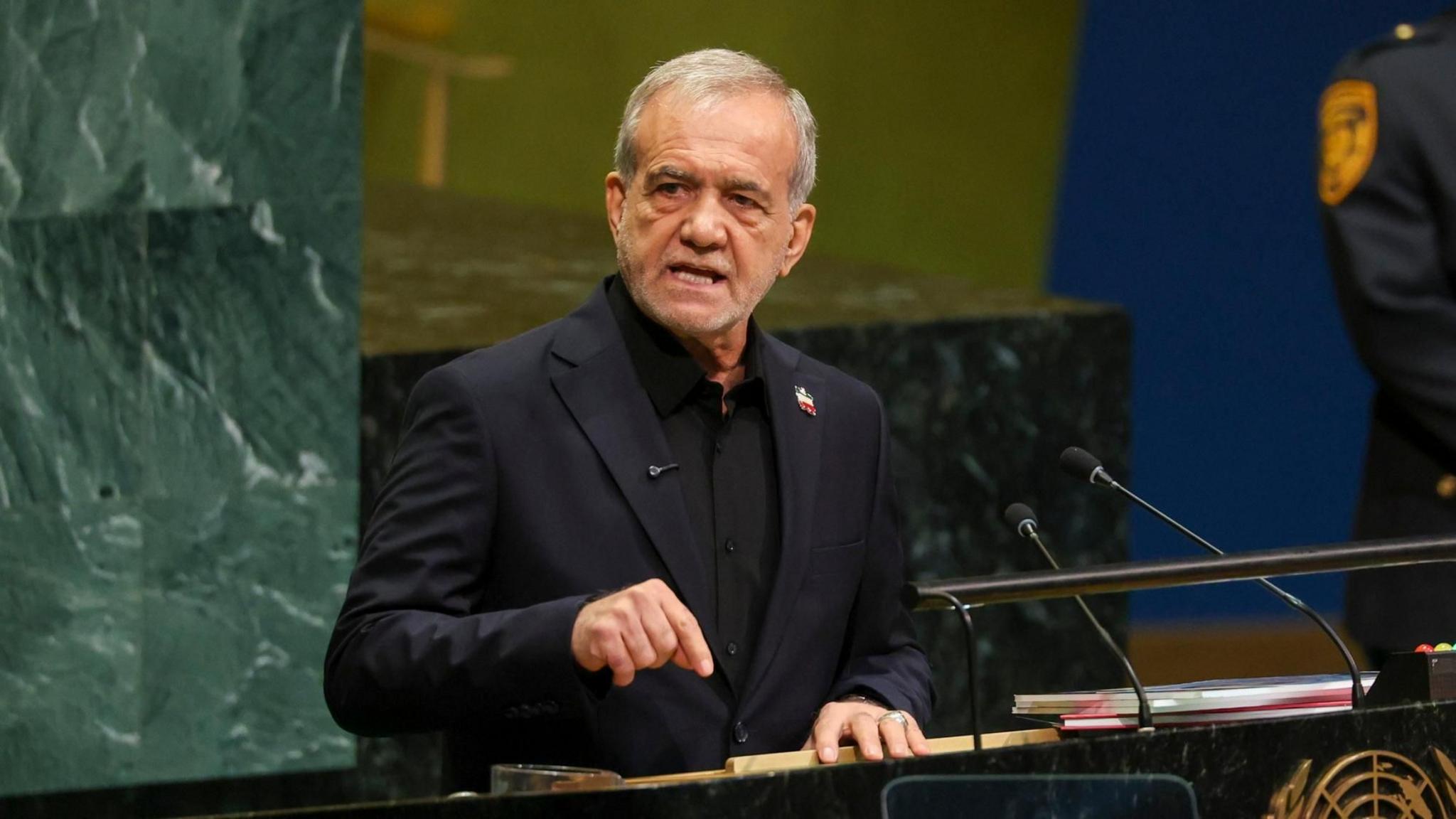
The decision arrives after Rodríguez’s United Nations General Assembly visit, where she and Trump exchanged pledges of support for democracy and reforms. Human rights groups reported that the early‑morning releases included former opposition figures such as Wilder Vásquez, sentenced in 2018 over alleged plotting to kill former president Nicolás Maduro.
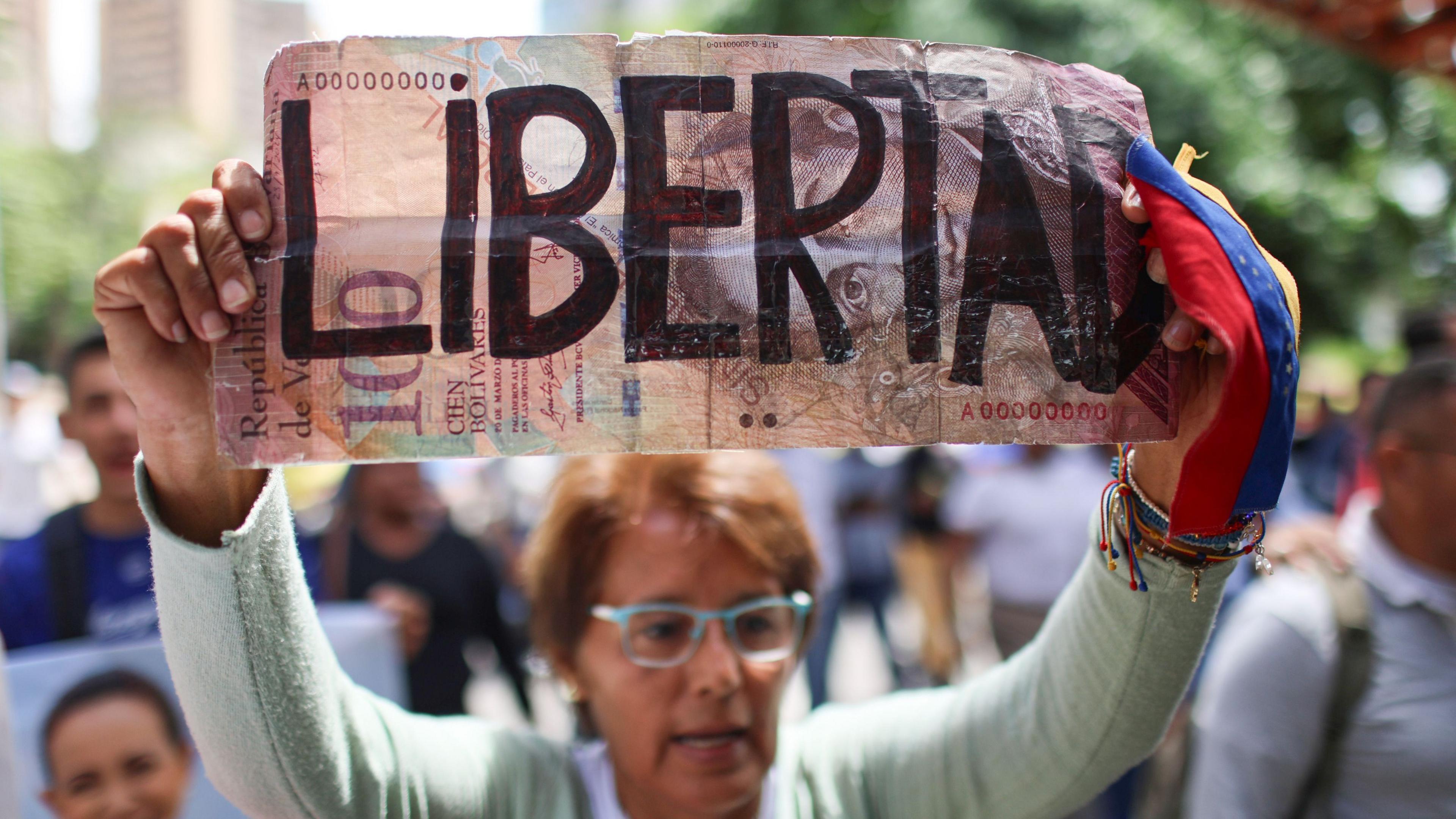
For hundreds of inmates held since the 2024 elections—widely accused of being political trumped‑up charges—the amnesty marks a rare gesture from a government long accused of using imprisonment to silence dissent. A member of Foro Penal, a Venezuelan rights network, confirmed that at least a dozen high‑profile activists were freed, while other long‑time detainees such as Frank Cabañas, held for nine years, were also released.
Although the Venezuelan government remains silent on the exact motivations, many observers link the releases to the U.S. security agreement and the intention to secure recognition of Rodríguez as the interim head of state. Critics warn that the program, once stopped in April, had ended with less than half of the political prisoners freed, suggesting the new wave may be limited in scope.
Beyond political implications, the move holds potential environmental significance. Venezuela’s economy centers on oil, and its governance has historically hindered progressive environmental policies. A more open government may create conditions for Indigenous communities and environmental NGOs to push for climate‑responsive legislation—an urgent need as the highlands and coastal plains face severe deforestation and flooding.
Whether the releases translate into substantive democratic and environmental reforms remains to be seen. The political transition could catalyze reforms, but it could also be a calculated concession aimed at winning international support without addressing deeper systemic issues. The text of the releases, combined with Dr. Rodríguez’s brief statement that “there will be elections in Venezuela,” signals a cautious attempt to balance internal demands with external stability.