Brazil’s 2026 Election: A Turning Point for Climate Policy
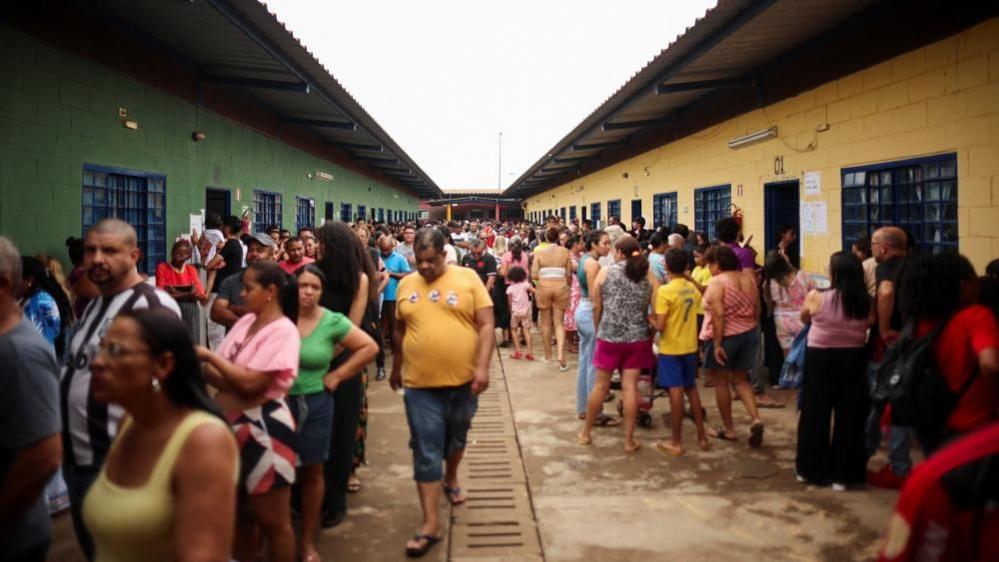
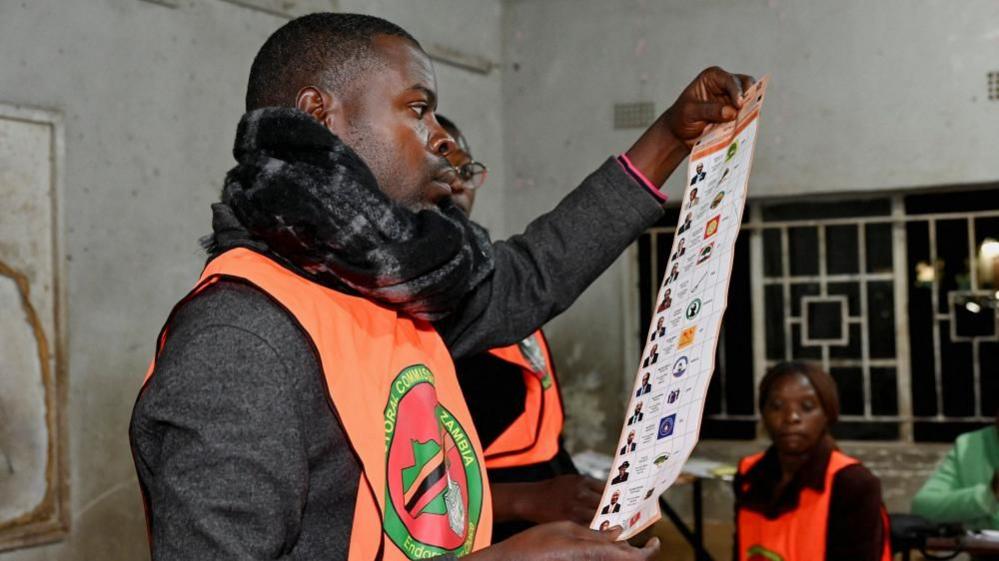
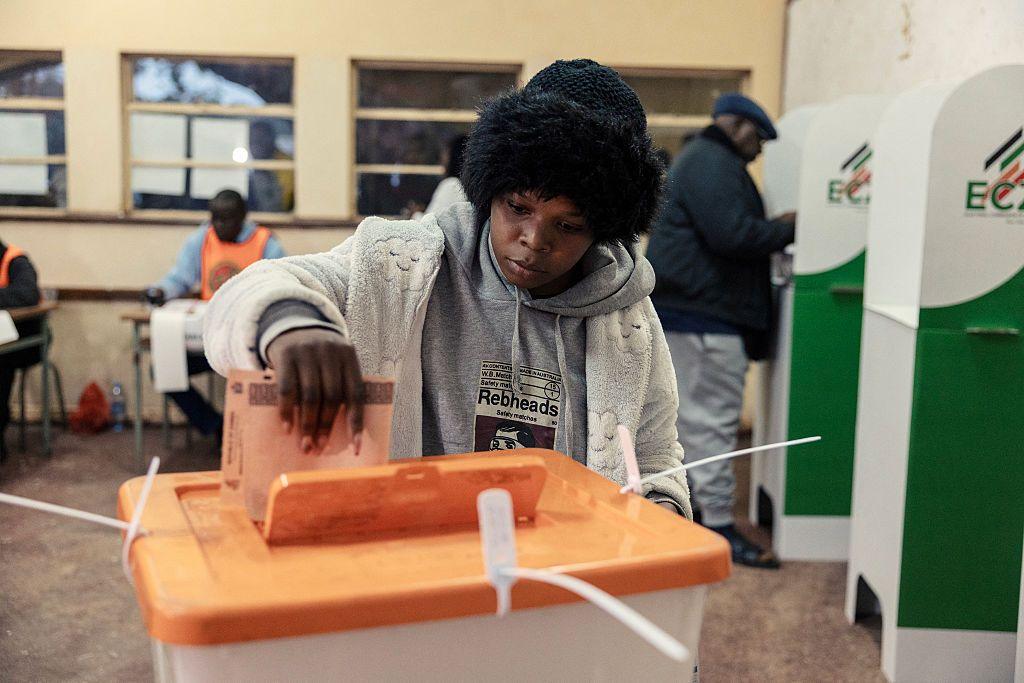
Millions of Brazilians went to the polls on Sunday for the first round of the presidential election, leaving fates of billions of trees and billions of people hanging in the balance.
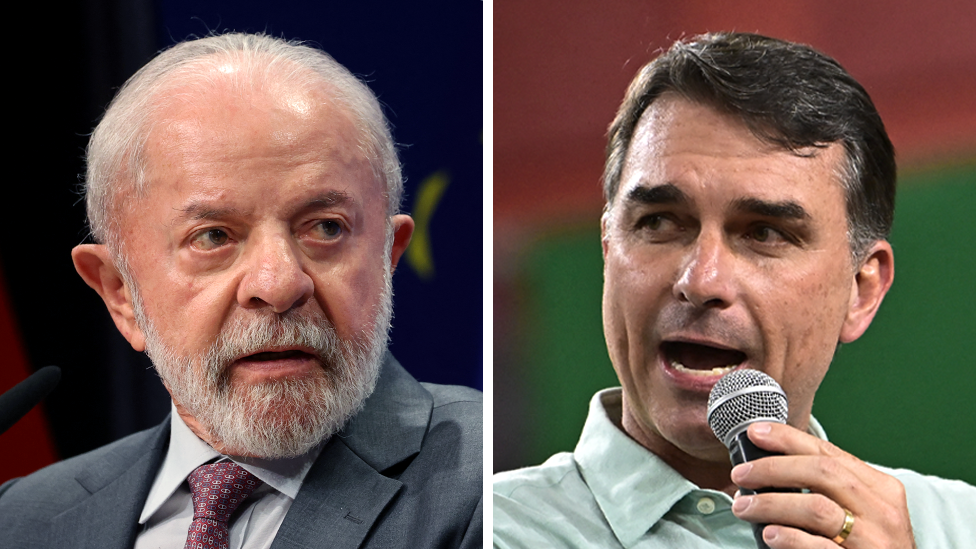
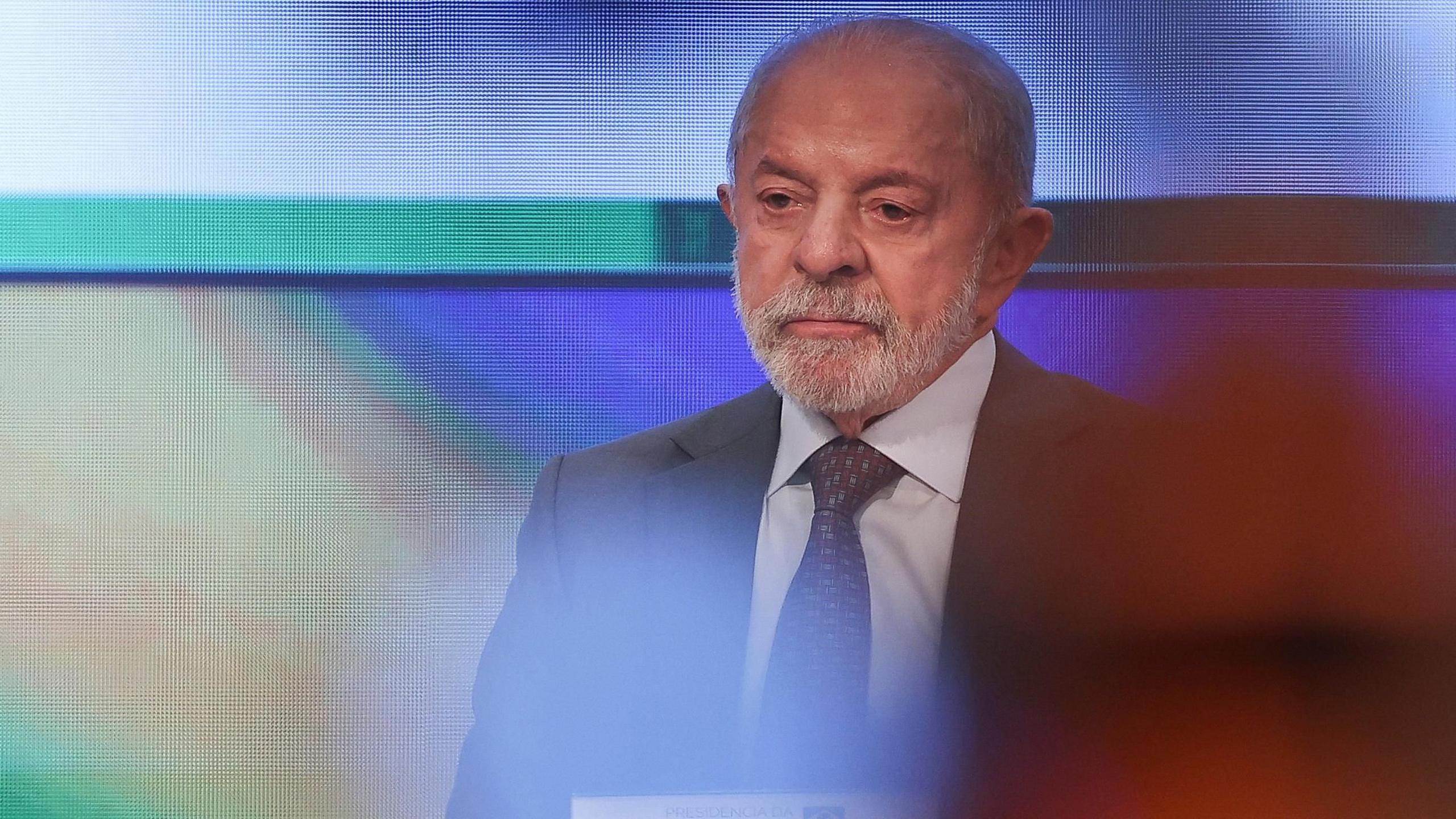
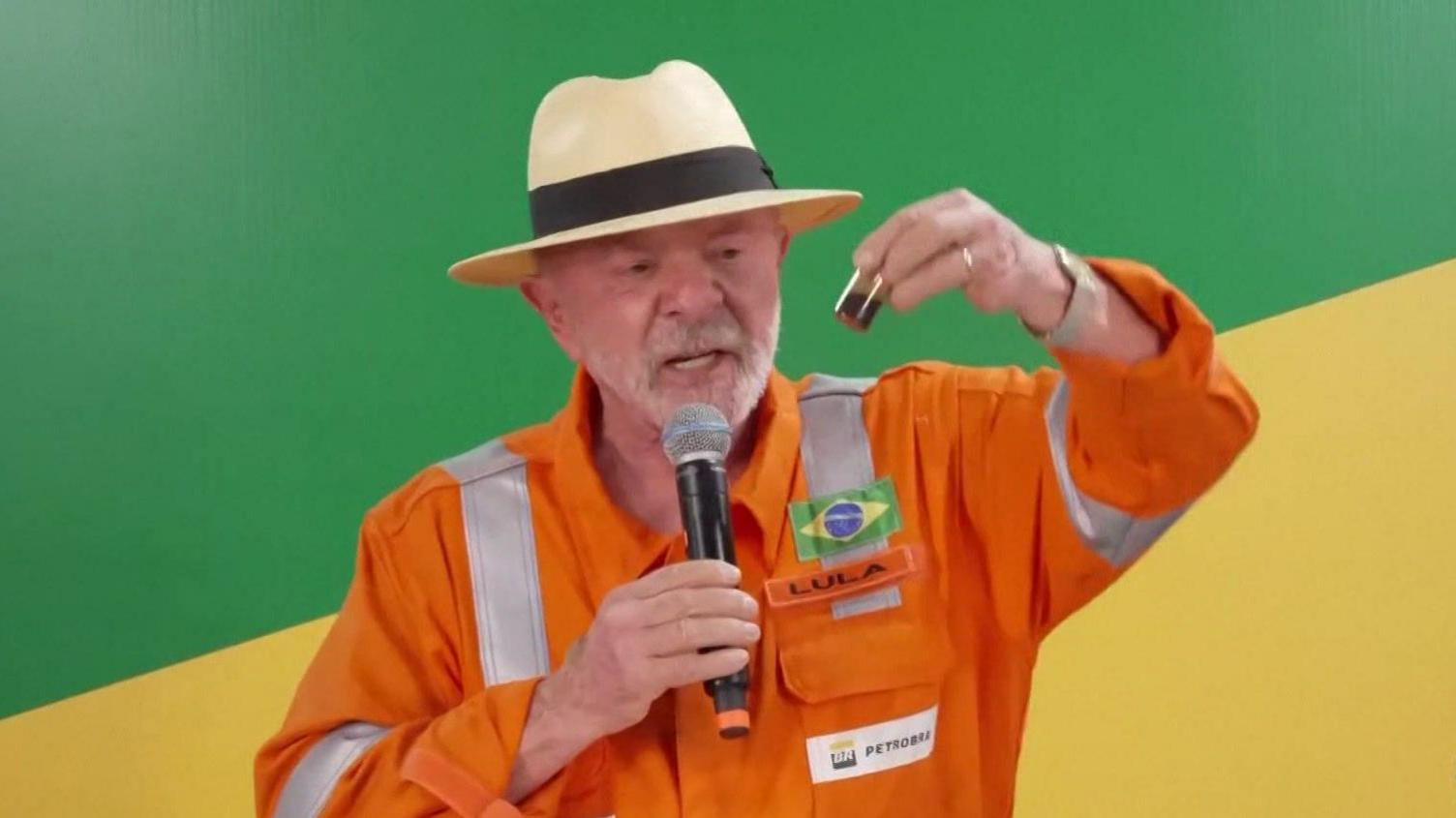
At 80 years old, former president Luiz Inácio Lula da Silva is pursuing a fourth, non‑consecutive term. His record includes a campaign to curb Amazon deforestation, a pledge to double renewable energy generation, and a promise to strengthen Brazil’s climate commitments under the Paris Agreement.
Opposing him is 45‑year‑old Flávio Bolsonaro, the first presidential candidate from the Bolsonaro family. His platform stresses rapid economic development, expanded mining and agribusiness, and a relaxed stance on environmental regulations, a reversal from his father’s partial concessions.
The election outcome bears directly on global climate outcomes: a Lula victory would likely intensify conservation efforts, while a Bolsonaro win could accelerate deforestation and greenhouse‑gas releases. Environmental groups and Indigenous leaders have mobilised in both camps, demanding transparent carbon accounting and stronger policy enforcement.
With a run‑off scheduled for 25 October, Brazil’s political arena will now focus on whether the nation continues its trajectory toward sustainability or re‑tails its environmental safeguards in pursuit of short‑term growth.