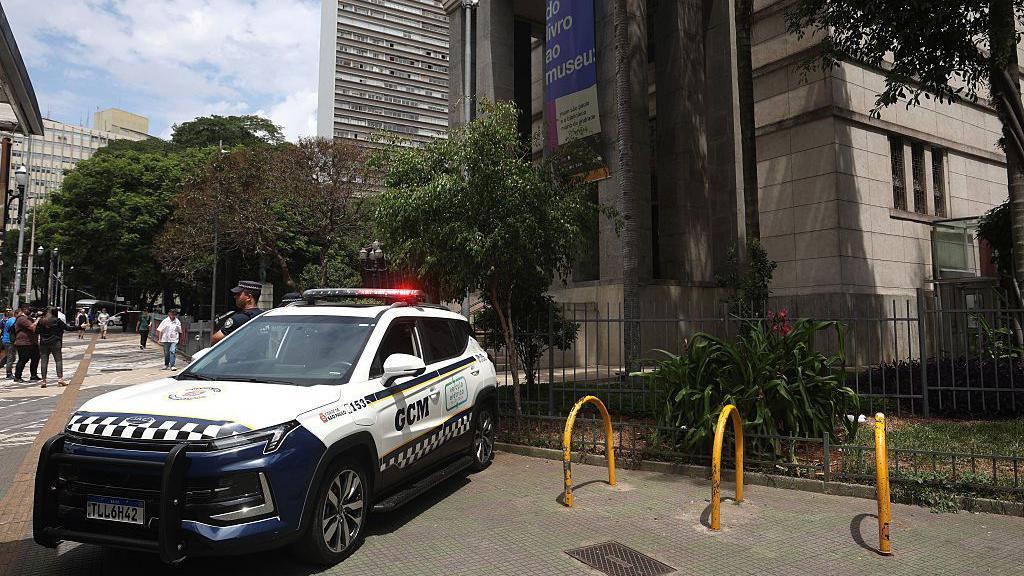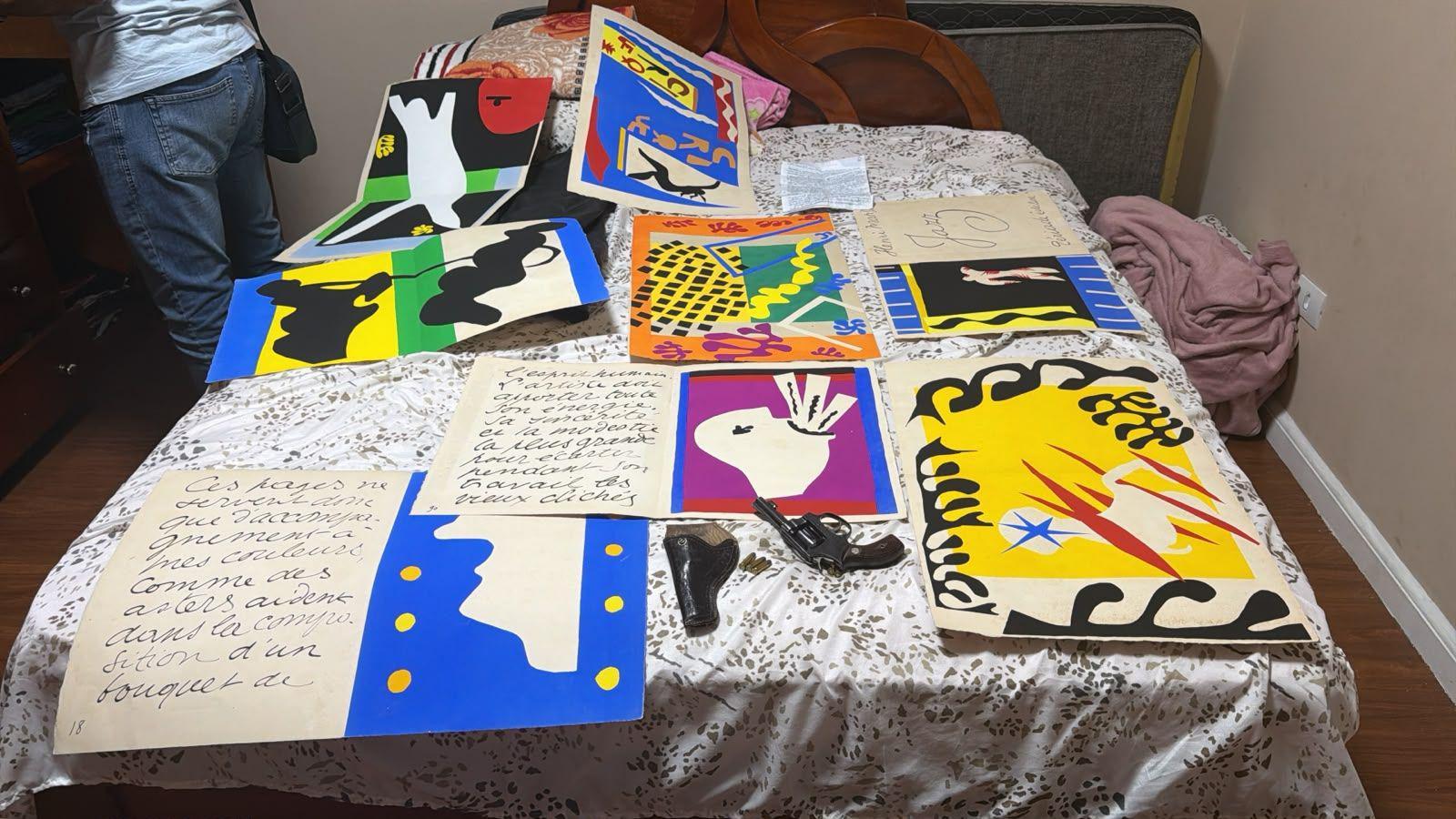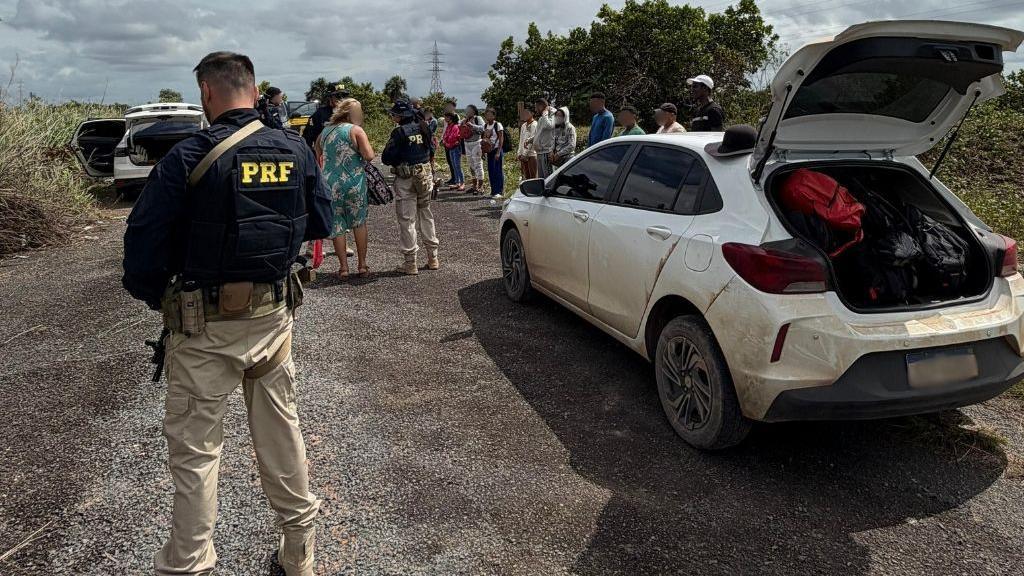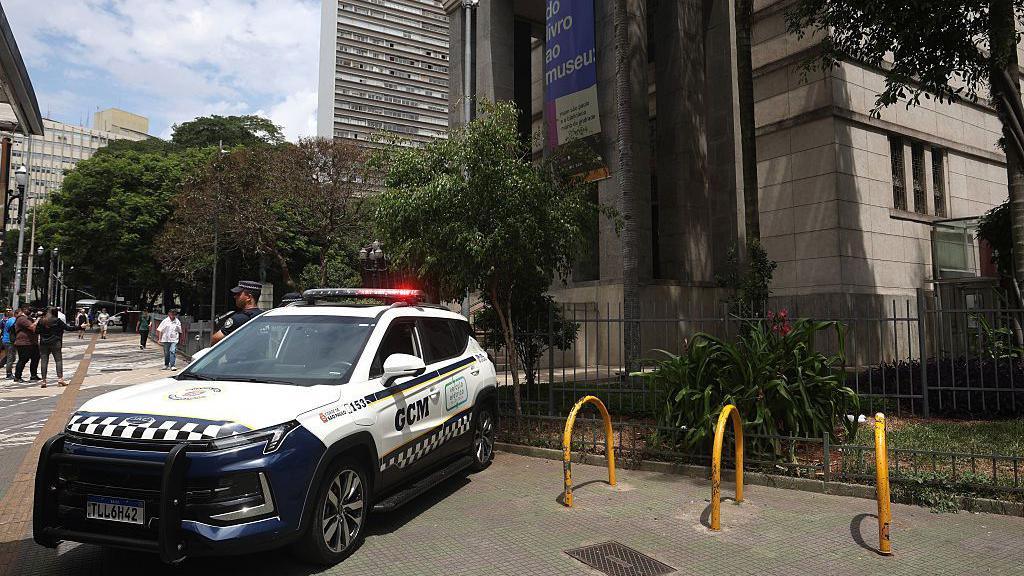
Police recovered eight illustrations by French artist Henri Matisse that were stolen from the Mario de Andrade Library in São Paulo, achieving a significant win for cultural preservation.
The stolen works, valued at roughly $200,000, were found Thursday at a home in São Bernardo do Campo and a 44‑year‑old male suspect was taken into custody. Three other arrests followed the robbery that occurred on 7 December last year.
While this recovery showcases effective law enforcement, it also highlights that cultural heritage remains vulnerable to theft and, increasingly, to climate‑related threats such as extreme heat, humidity, and extreme weather events that can degrade or damage artifacts.
Modern solutions can mitigate these risks. Artificial‑intelligence monitoring of movement and environmental conditions can detect suspicious activity, while blockchain tokens can certify provenance and discourage illicit trade. Digital twins—high‑resolution virtual models—allow museums to study fragile pieces without physical risk and to share heritage globally for educational and restorative purposes.
Investing in climate‑resilient storage—such as climate‑controlled vaults, breathable organics, and fire‑safe materials—adds a layer of protection to physical artifacts. Funding models that link cultural heritage protection to climate resilience initiatives ensure that museums receive the resources they need to maintain both their collections and their community outreach.
Citizen scientists, eco‑activists, and international agencies can collaborate to advocate for inclusive policies that match cultural safeguarding with climate adaptation. By championing the intersection of art preservation and environmental innovation, we can safeguard the world’s artistic legacy for generations to come.