The Stakes for the Amazon
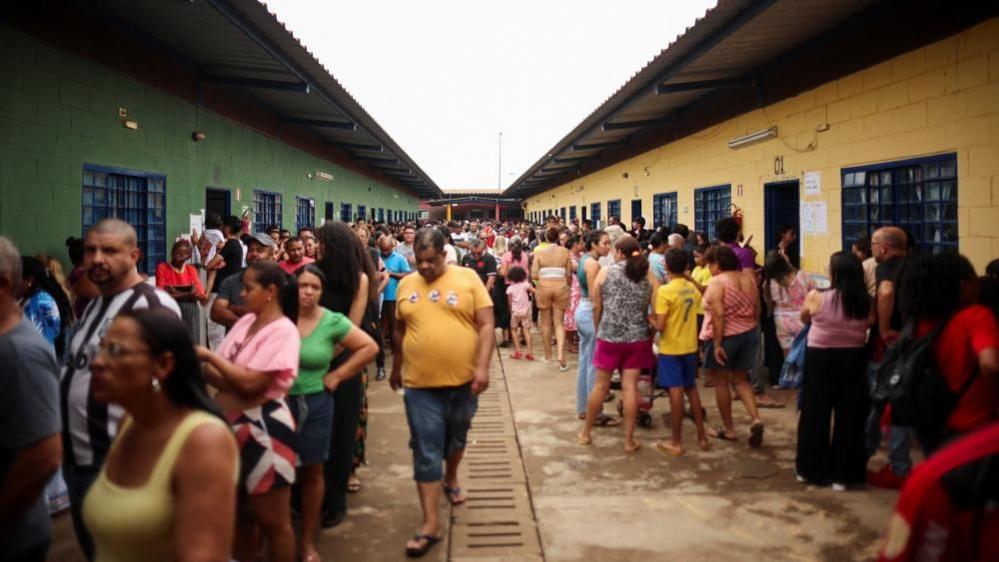
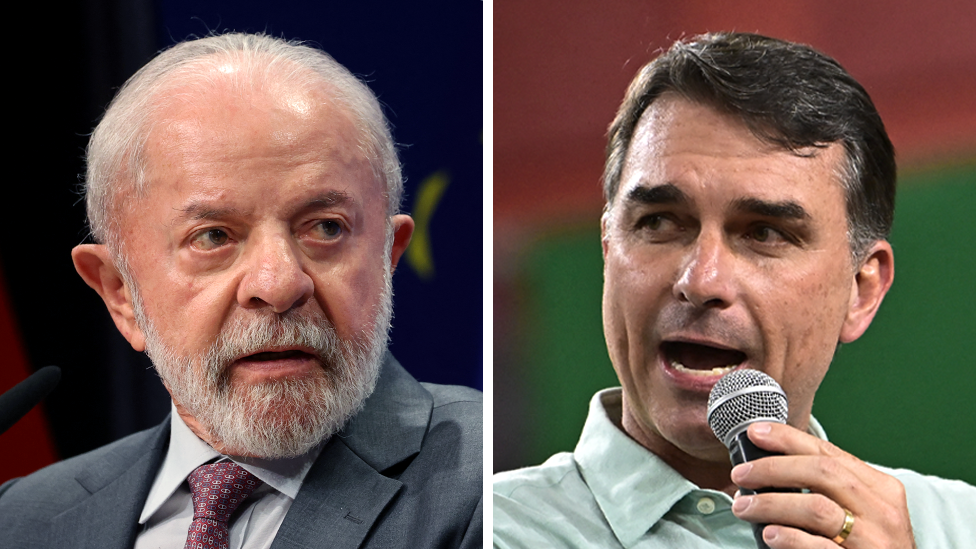
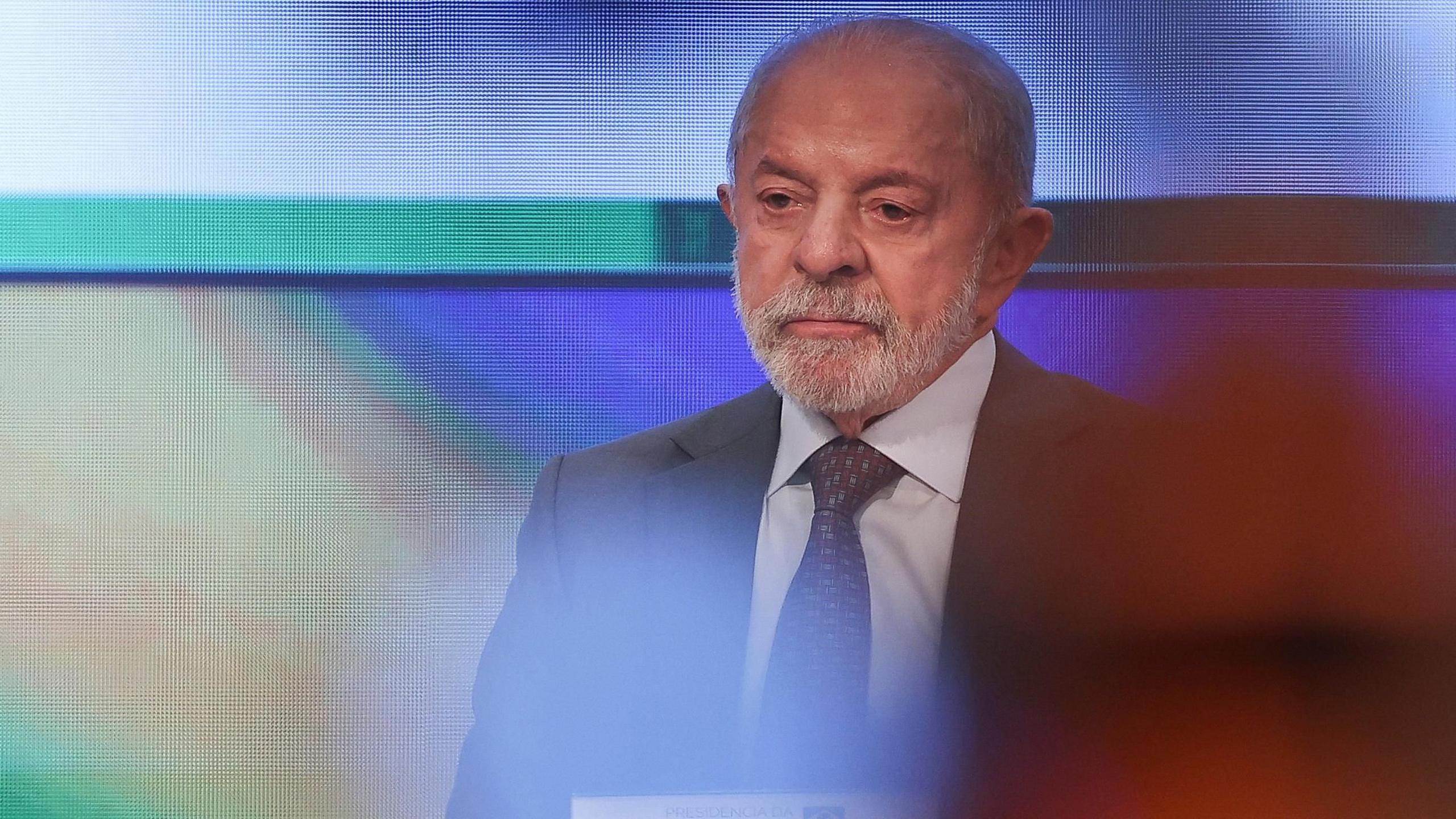
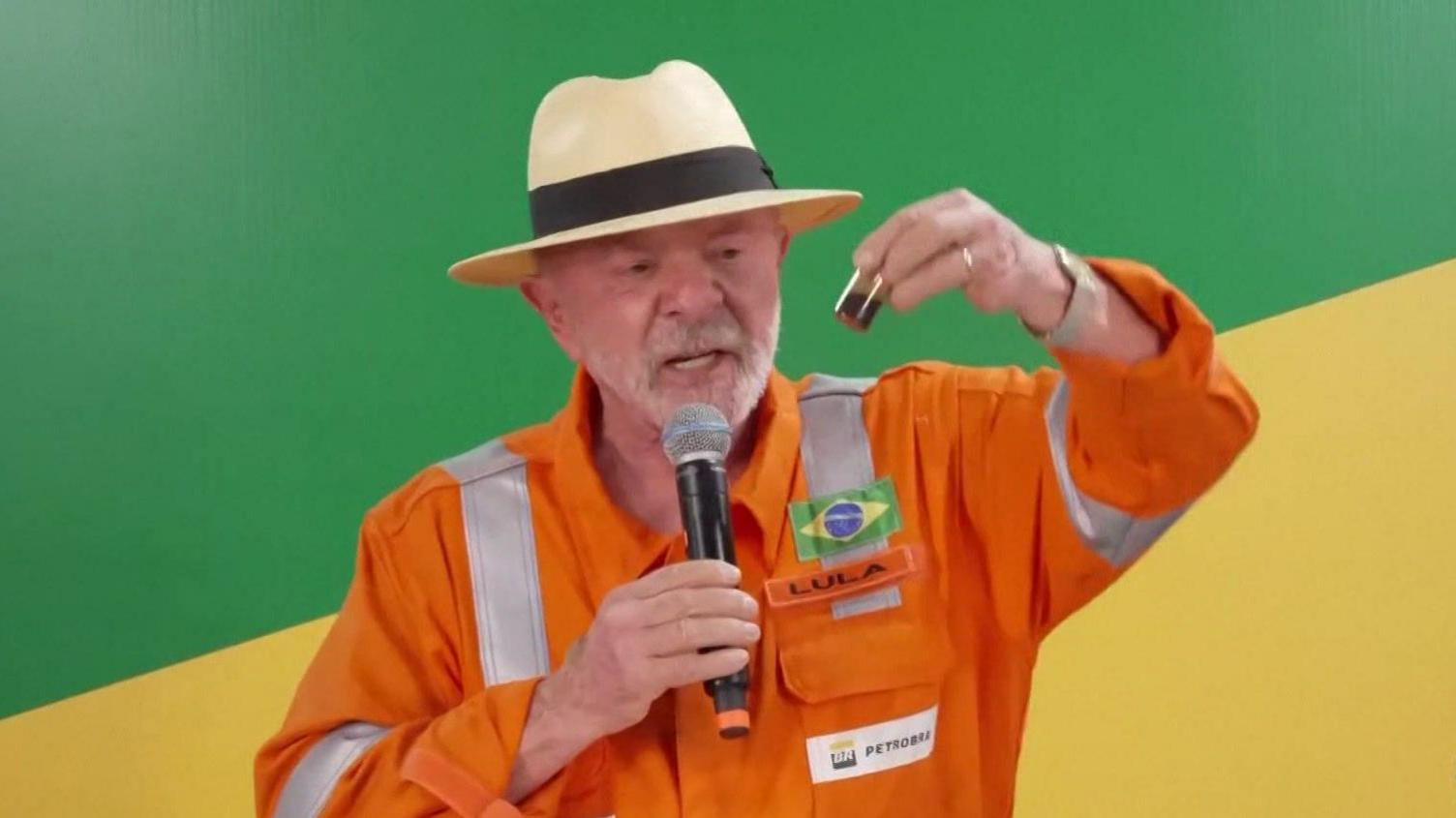
Brazil’s presidential election is more than a domestic political showdown; it is a pivotal moment for the Amazon rainforest, the world’s largest carbon sink. Lula, who spearheaded Brazil’s push back into the Paris Agreement, has pledged to boost protected areas and confront illegal logging. Bolsonaro’s administration, in contrast, has rolled back environmental protections, leading to a spike in deforestation last year.
Deforestation Trends and Climate Impact
From 2019 to 2021, Brazil’s annual deforested area increased by 9% under Bolsonaro’s rule, releasing an estimated 20 million tonnes of CO2. Climate scientists warn that unchecked logging not only raises emissions but also reduces the Amazon’s ability to sequester carbon, threatening global climate targets.
Economic and Social Dimensions
Deforestation cuts also threaten rural livelihoods that depend on the forest for food, medicine and income. Lula’s plan includes stronger community stewardship and sustainable agroforestry, aiming to balance conservation with economic development.
International Repercussions
Global climate funds, such as the Green Climate Fund and REDD+ mechanisms, have earmarked sizable budgets for Amazon conservation. A Bolsonaro victory could jeopardise these contributions, while Lula’s re‑election would likely secure continued financial flows and reinforce Brazil’s role as a climate leader.
Looking Ahead
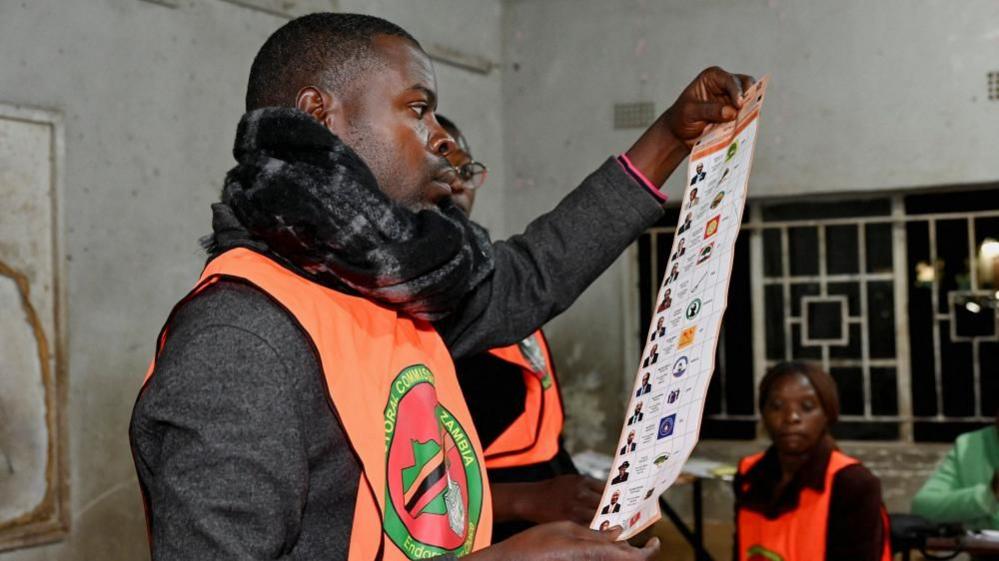
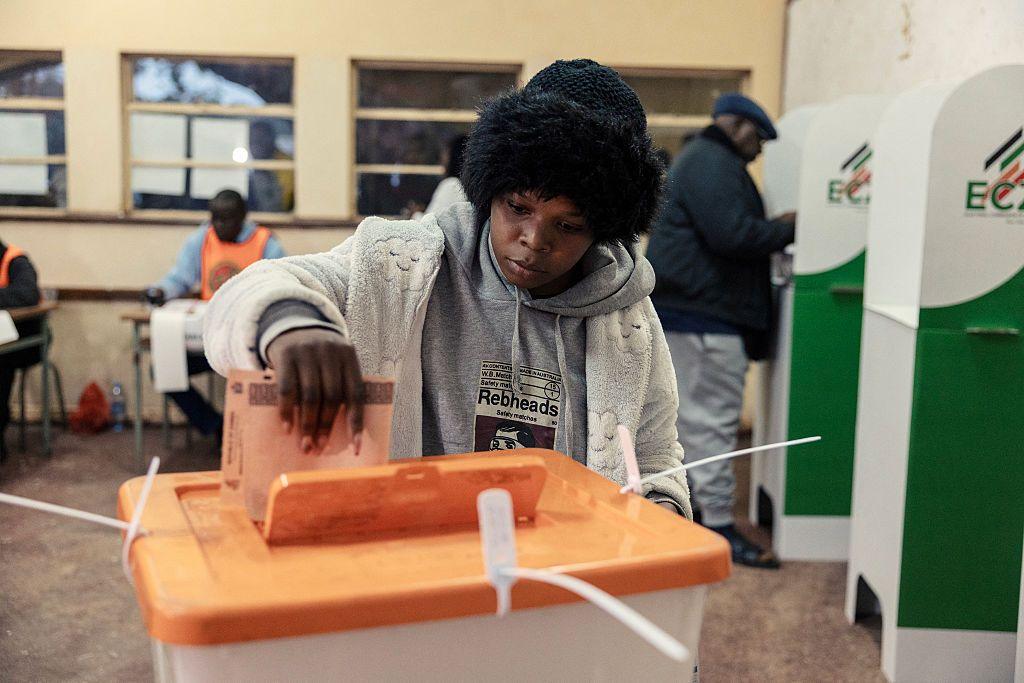
The run‑off, slated for 25 October, will determine whether Brazil accelerates its conservation agenda or returns to a more open policy environment. As the global community keeps a close eye on the ballot box, the outcome will signal whether Brazil’s policies align with the urgent need to curb climate change and preserve biodiversity.