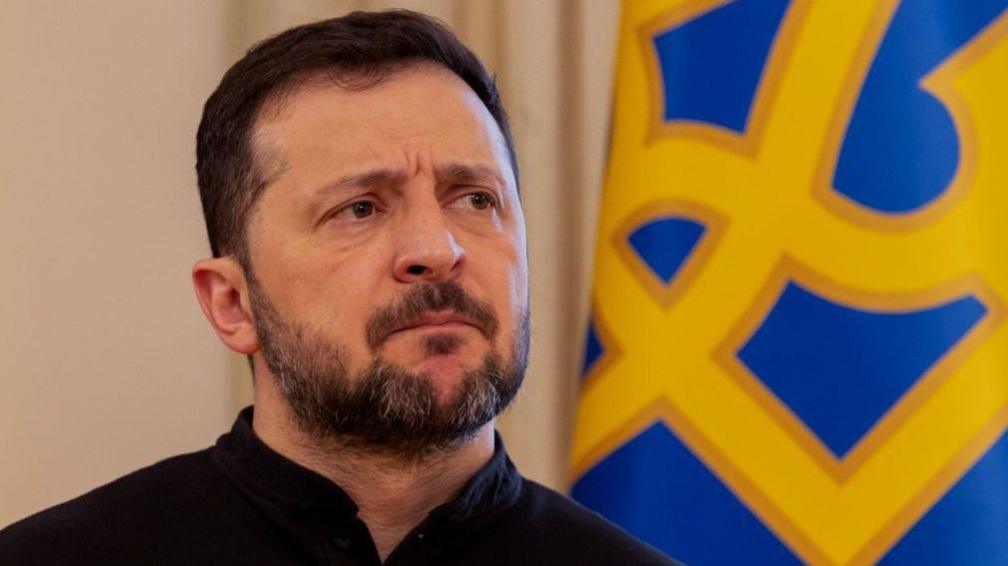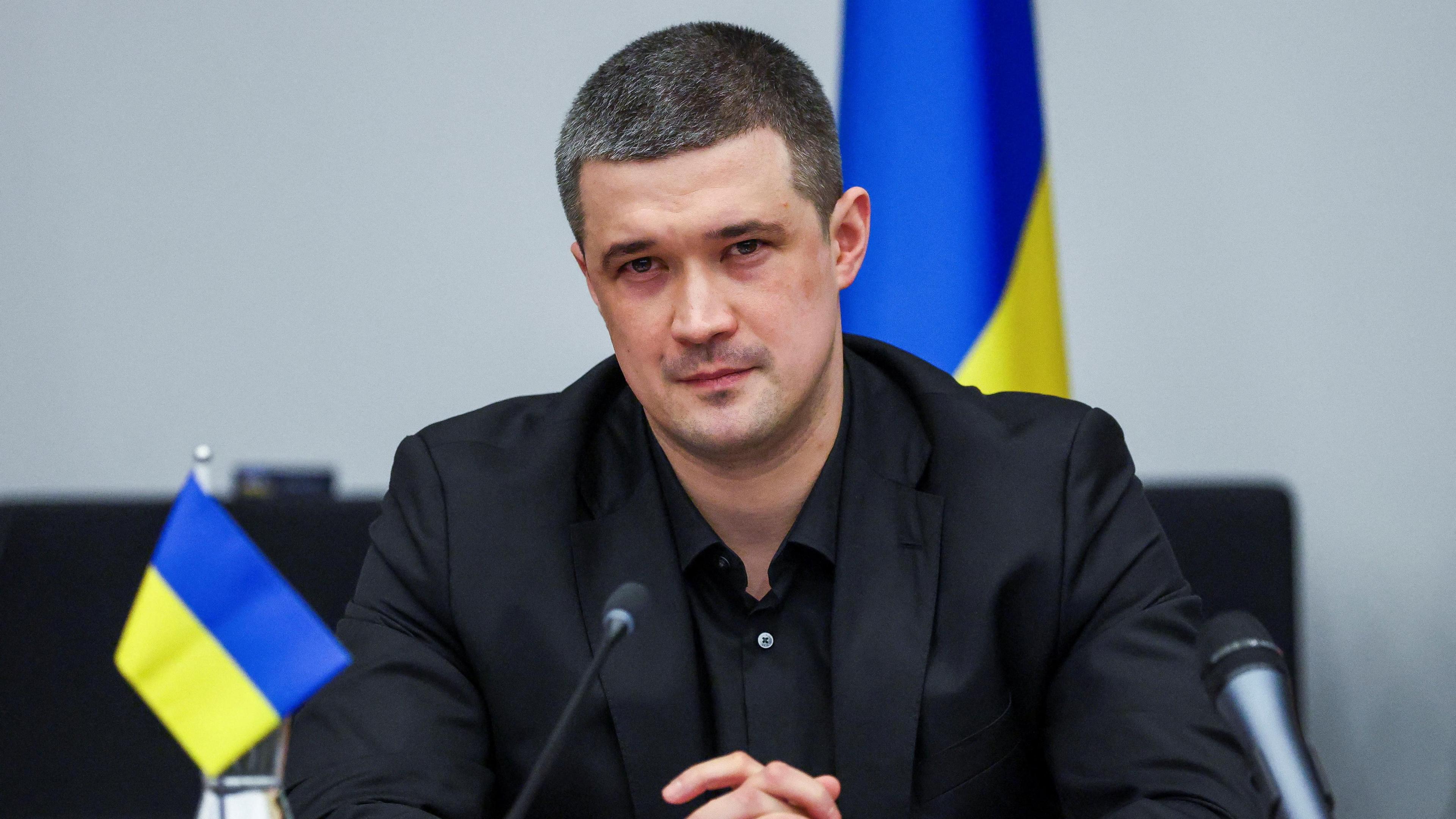
After his abrupt dismissal last month, Mykhailo Fedorov took to YouTube to declare that Ukraine must conduct elections even as Russian forces keep the country under siege. The 35‑year‑old former defense minister, who once credited himself with modernizing war‑fighting tactics, framed the call as a defense of democracy against what he sees as Moscow’s attempts to keep Ukraine’s political systems hostage.
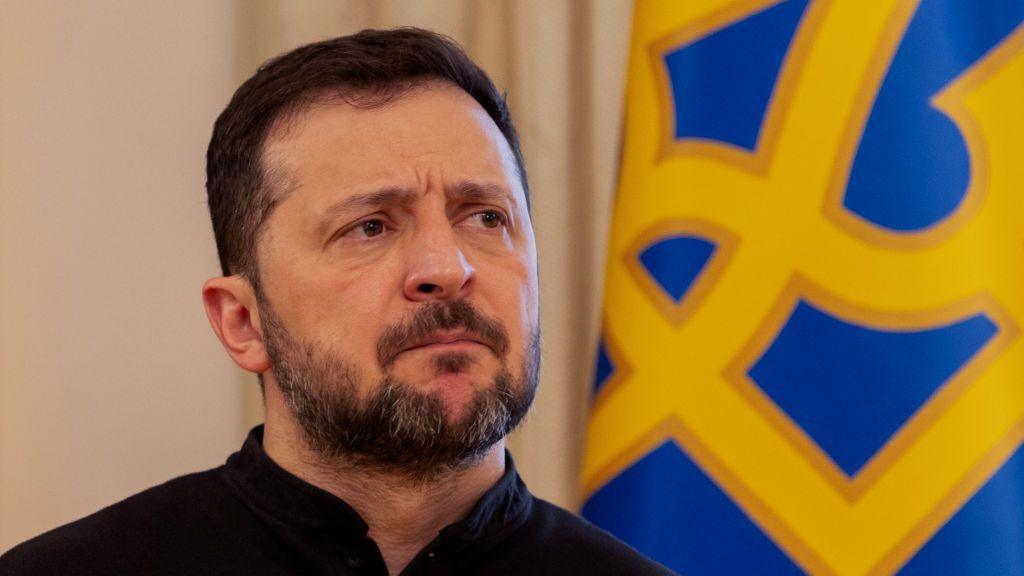
Zelensky has yet to respond directly to the video, but his own recordings highlight new threats to Ukraine’s security, citing "deep‑strike" capabilities and the ongoing battle for technological advantage. He also warned that holding elections during the war would be “highly unlikely” and could destabilize the nation.
In the weeks that followed, voter logistics grew into a major concern. Protesters gathered outside parliament demanding Fedorov’s return, but many voices, including seasoned MPs, flagged the proposal as a distraction from war‑time unity. Some argue that logistical complexity—how to enable millions of displaced citizens or soldiers to vote—renders the idea unrealistic.
Experts point out that the current siege conditions create an environment where even a limited ballot could become a target for Russian attacks. The nation’s auto‑rally of protests also signals a growing divide: younger citizens and digital innovators press for political renewal, while traditional leaders emphasize stability.
Despite the opposition, Fedorov hints that a legitimate electoral process could restore a sense of legitimacy for Ukraine’s leadership. He frames the call as a step toward strengthening institutions beyond the individual, a message that resonantes with an older, war‑tested audience who grew wary of personal loyalty over strategic competence.
The debate is deeply tied to the nation’s identity. Those who see elections as inevitable believe they would cement Ukraine’s democratic trajectory once the hostilities end. Others fear that the request—crafted amid continuing mortar shelling—may serve Russian propaganda, reducing Ukraine’s political authority and widening internal divisions.
The political crisis has already reshaped the ladder of leadership: Fedorov’s replacement was followed by a change in army commander‑in‑chief. Over the past month, the new minister of defense, Yevhenii Khmara, took on a heavier burden addressing aerial attacks and expanding military strike depth. The energy behind the protests signals a shift toward the cause of political change and desire for institutional innovation, a cause that has carried the weight of the war into Ukraine’s heart of governance.