In brief
President Luiz Inácio Lula da Silva has hailed a fresh oil find off the Amazon coast, calling it a key step toward Brazil’s energy future. Petrobras announced the discovery in early August, prompting quick approval for exploratory drilling in the highly biodiverse Brazilian Equatorial Margin. Environmental groups argue that any spill could devastate coral reefs, mangroves and countless species, while Lula stresses that oil revenue will fund the country’s transition to renewable energy and biofuels. With election day only weeks away, Lula’s stance could sway voters looking for jobs against climate concern.
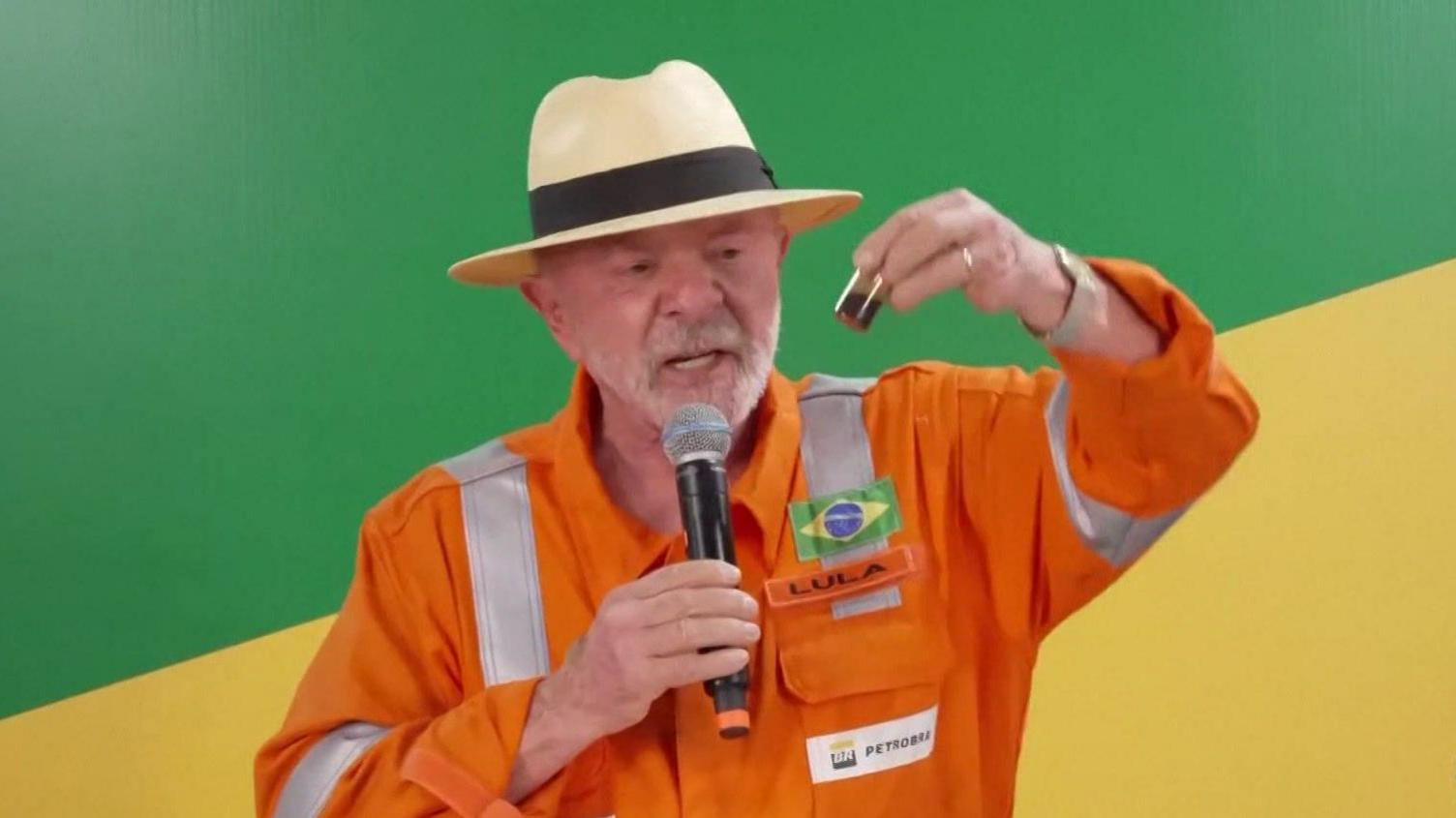
President Luiz Inácio Lula da Silva greeted the recent announcement of an oil discovery 175 km off the Amazon mouth with a confident smile, declaring it a “passport to the country's future.” The finding, revealed by state‑run Petrobras, marks the first evidence of hydrocarbons in the deep‑water Brazilian Equatorial Margin.
Petrobras began exploratory drilling in October 2025 and confirmed the presence of oil at nearly 2,900 meters depth. Although the volume and commercial viability of the reservoir remain unclear, the discovery has already sparked a surge of optimism in the remote coast regions, promising jobs in towns such as Oiapoque.
However, the expedition has drawn sharp criticism from conservationists who cite the area’s extraordinary biodiversity, warning that a single spill could erode fragile coral reefs, mangrove swamps and coastal wetlands. Environmentalists fear that ocean currents may carry leaked hydrocarbons further inland, amplifying the ecological impact.
Lula rejected foreign criticism as “meddling,” insisting that national sovereignty protects the country’s resources. He reaffirmed his commitment to phase out fossil fuels, stating that oil revenue would help finance Brazil’s shift toward biofuel innovation and large‑scale renewable energy projects.
The decision to green‑light the drill came three weeks before Brazil hosted the COP30 conference, prompting an uproar among global climate advocates. Lula emphasized that the choice was made to protect national interest and counter perceived European opposition.
With Mr. President’s campaign now only two months away from the general elections, he faces the challenge of balancing economic development for Amazon communities with ecological preservation and the expectations of an environmentally conscious electorate.