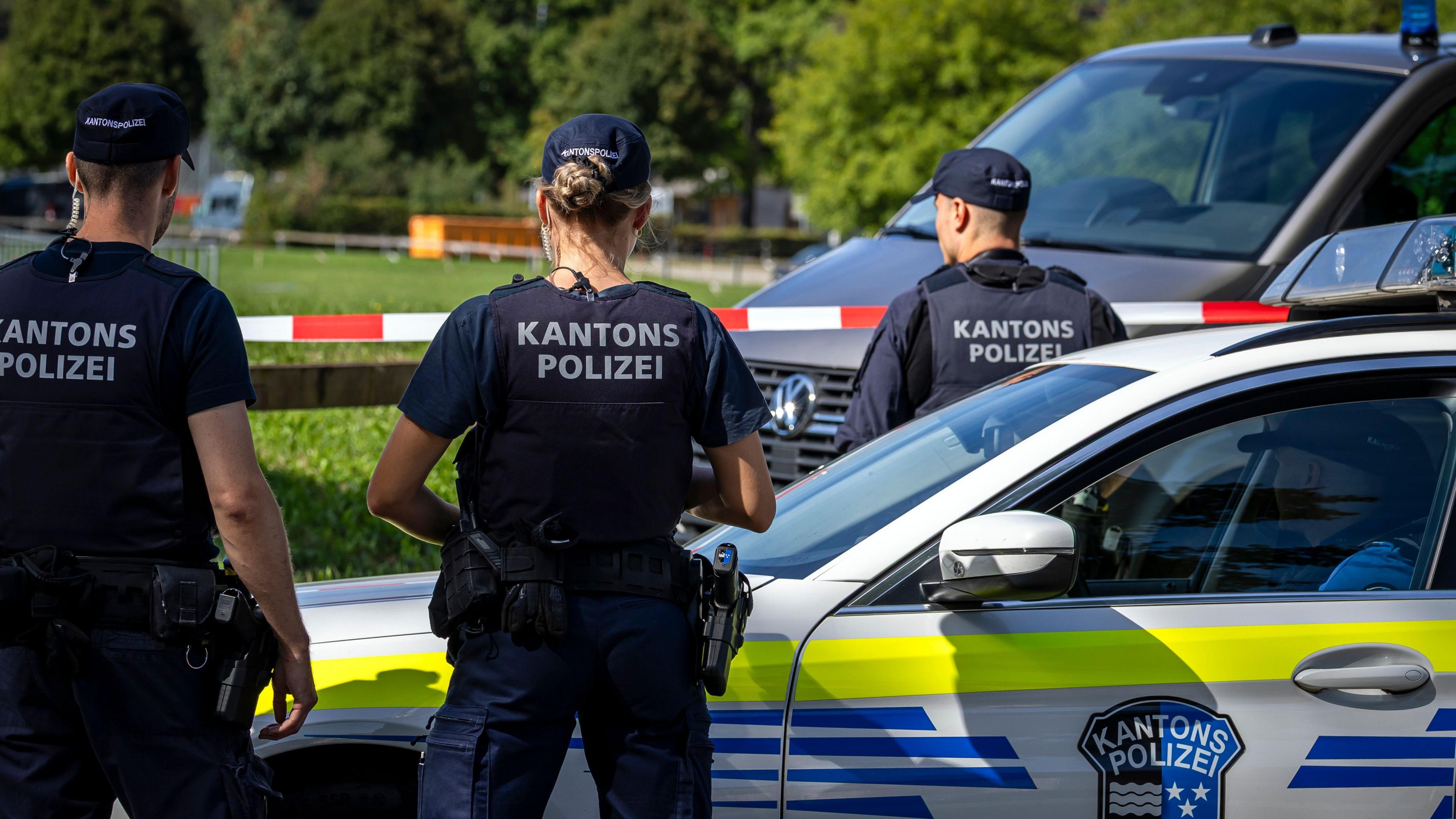
On 20 August 2026, security forces in the Zambian capital Lusaka conducted a raid on a house linked to opposition leader Brian Mundubile, an operation that ended in the death of former minister Mutotwe Kafwaya.
According to a police spokesman, Kafwaya was fatally wounded during what officials described as an exchange of fire. Eleven people were arrested, and the authorities accused Mundubile’s party of insurgency and militia activity, claiming the house stored "high-grade" weapons.
Although Opposition minister Mutotwe Kafwaya was a key figure in the government’s transition to renewable energy projects, his death highlights a growing concern: political instability can destabilize the very initiatives that mitigate climate risk. In a country already grappling with deforestation and the need for clean electricity, the political crackdown shows how governance challenges may divert limited resources away from sustainable development.
Zambia’s newly elected President Hakainde Hichilema secured 60% of the vote, while Mundubile’s 38% challenge he plans to contest the outcome in court, citing tampering. The EU election observation mission warned that a six‑hour pause in counting and a heavy military presence disrupted transparency, raising doubts about the legitimacy of electoral outcomes.
The human rights commission calls for accountability in cases of disappearance or unlawful detention, a stance that could support the enforcement of international environmental agreements that rely on public trust and democratic oversight.
In a broader context, political unrest undermines policy continuity, which is critical for Zambia’s climate commitments, including the 2030 target to increase renewable share in the electricity mix and reduce deforestation. Job losses, economic instability, and conflict often shift national priorities toward short‑term security measures.
Sustaining climate progress thus requires stable governance structures that can uphold environmental legislation, even amid elections and public unrest. The recent raid underscores the urgent need for transparent, inclusive political processes that safeguard both governmental integrity and environmental stewardship.