In brief
Brazil’s President Luiz Inácio Lula da Silva heralds a new oil deposit near the Amazon River mouth as a key to the nation’s future, while environmentalists warn of catastrophic spills. The discovery, located 175 km offshore and 2,886 m below sea level, could fuel Brazil’s economic development but threatens the biodiverse marine ecosystem. Lula maintains commitment to phasing out fossil fuels, but his approval of exploratory drilling just weeks before COP30 has raised concerns. The find may boost jobs in remote towns like Oiapoque, yet Brazil’s constitutional climate commitments keep the debate alive amid looming elections.
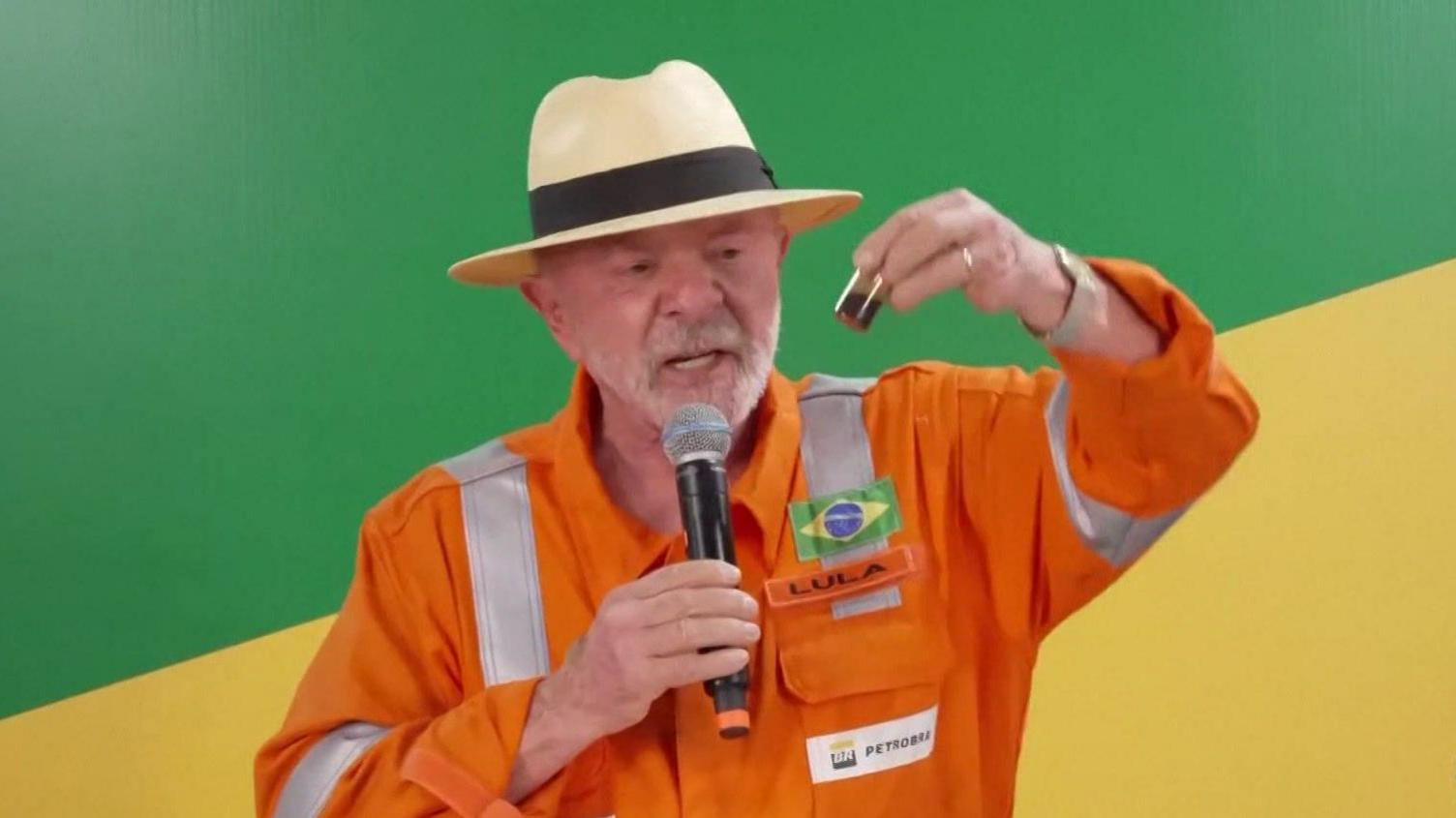
Brazilian President Luiz Inácio Lula da Silva celebrated the discovery of a new oil reservoir off the Amazon River mouth, declaring it a "passport to the country's future".
The find lies roughly 175 km (110 miles) offshore, 2,886 m (9,469 ft) below the surface, and its commercial size remains uncertain.
Petrobras commenced exploratory drilling in October 2025, and the CEO Magda Chambriard lauded the discovery as confirmation of the company’s optimism in the Brazilian Equatorial Margin.
Environmental groups argue that drilling could devastate the area’s high biodiversity, noting that spills might reach coastal wetlands teeming with wildlife via ocean currents.
Lula, who is campaigning for a fourth term at the October presidential election, insists his goal is to fund a transition away from fossil fuels while maintaining Brazil as a renewable‑energy leader.
He dismissed foreign criticism as "meddling" and highlighted national sovereignty, promising that any foreign interference would be resisted.
The announcement came after Brazil hosted the COP30 climate summit, stirring debate over economic priorities versus climate commitments.
Local towns such as Oiapoque report new job prospects, yet the environmental stakes—particularly in the surrounding reefs—remain a core domestic policy issue.
With less than two months to voting, Lula faces a delicate balance: rallying voters with promises of growth while addressing growing concern over the potential environmental fallout.