Winter and War: Kyiv Families Seek Heat and Safety Amid Conflict
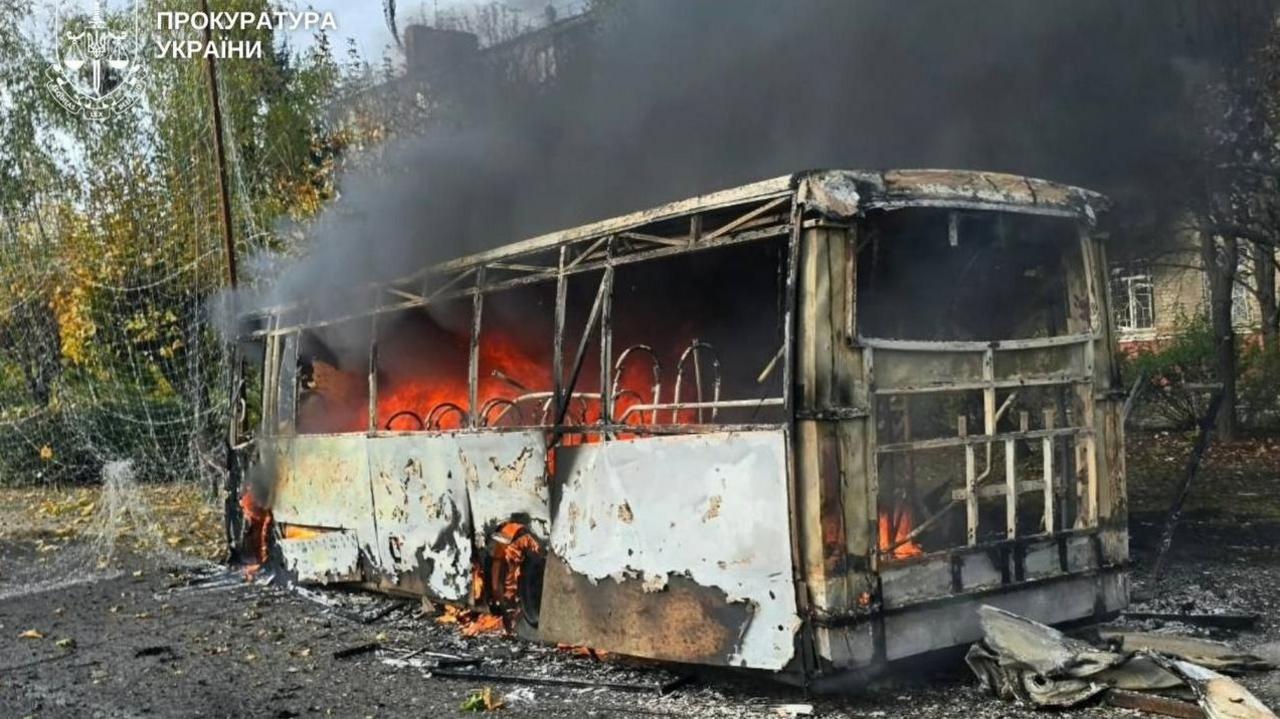
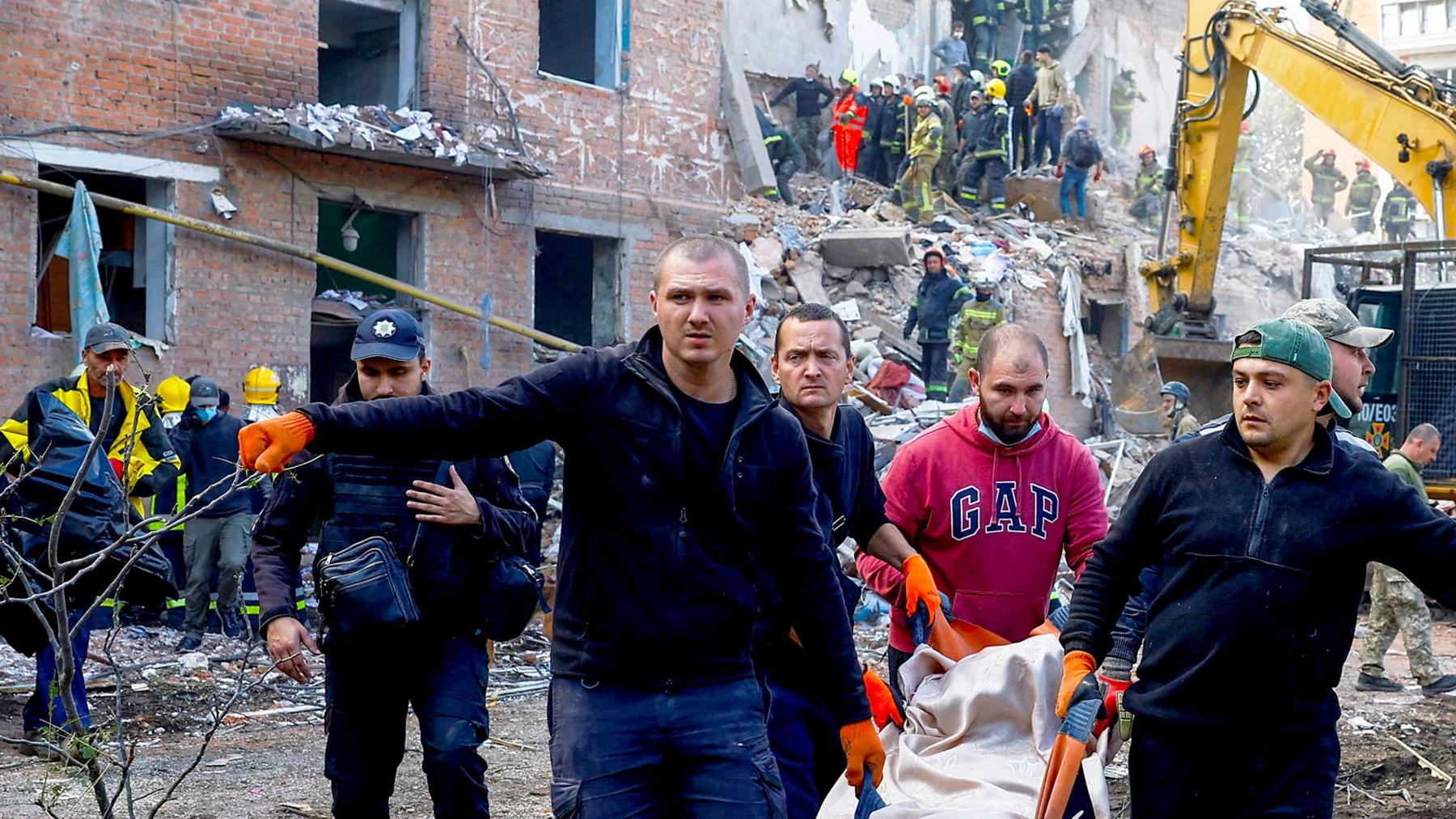
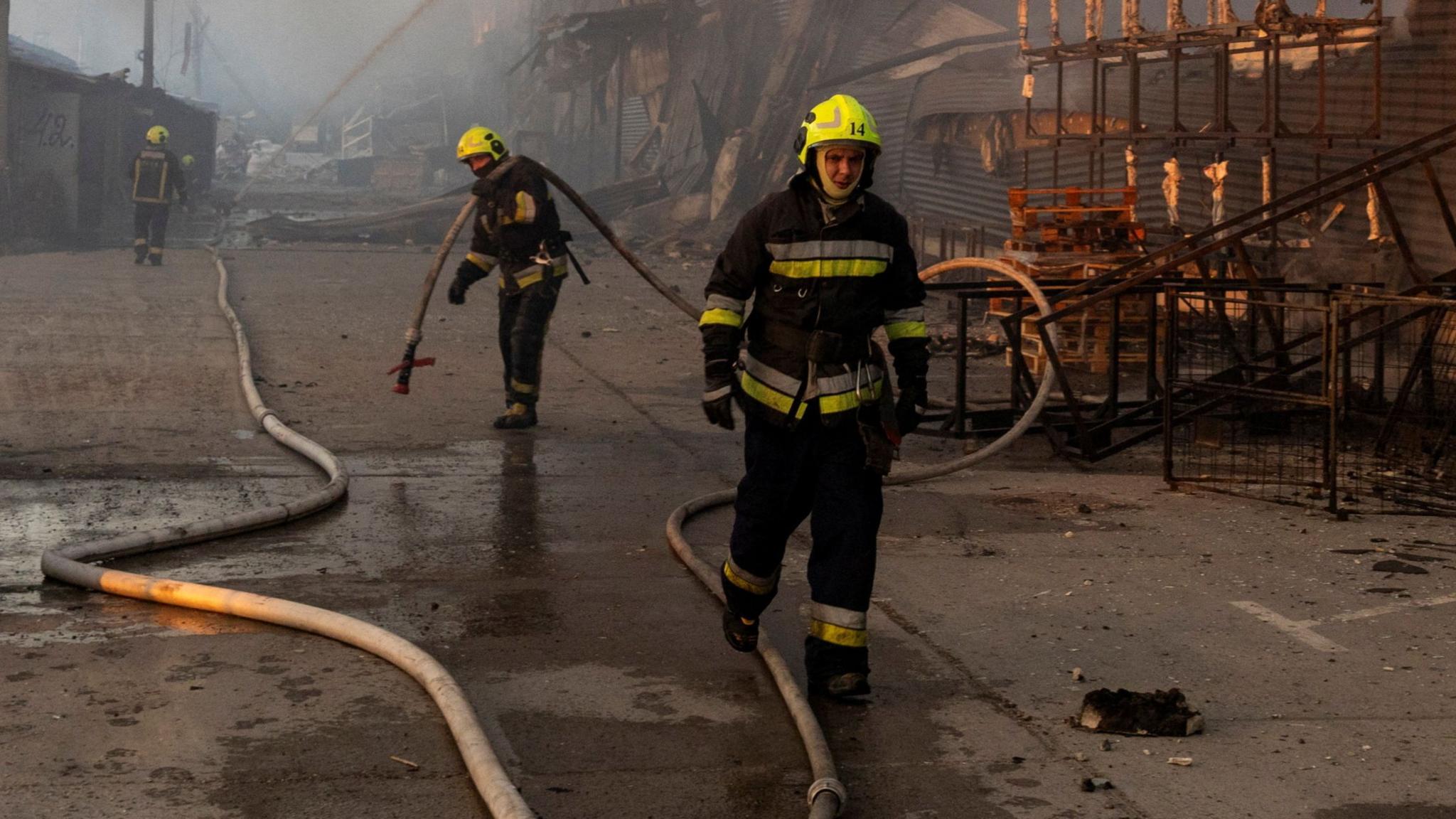
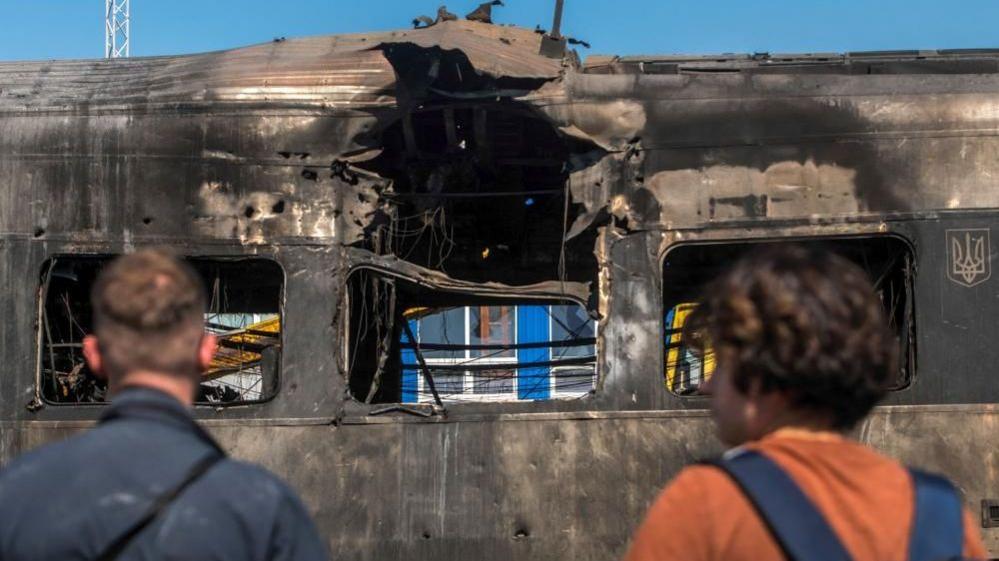
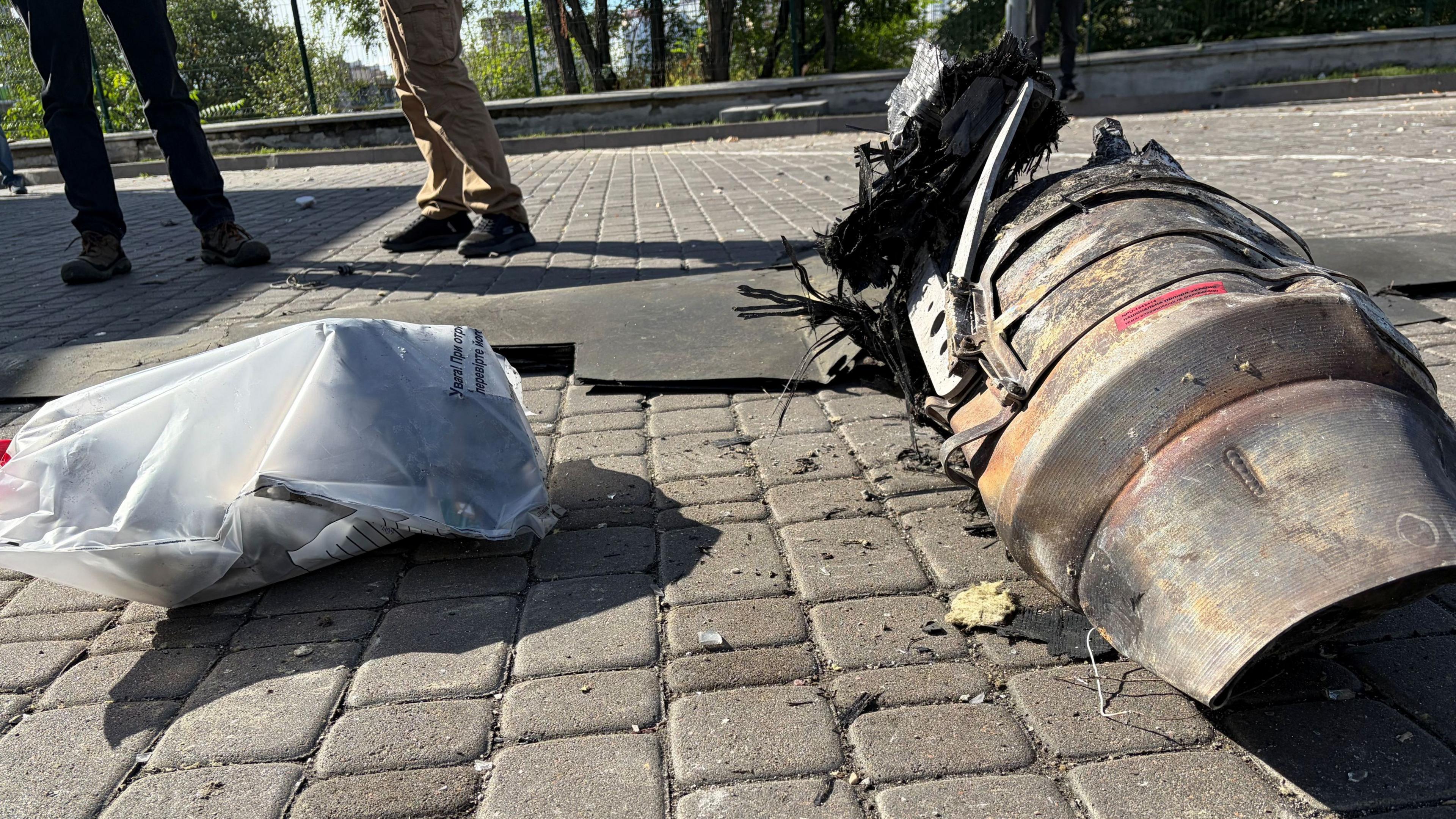
The approach of a frigid winter has created a double burden for residents of Kyiv: a barrage of Russian drones and missiles now strikes the city itself, and sub‑zero temperatures are compounded by the frequent power cuts caused by attacks on the country’s electrical grid.

“It was a very difficult winter last year in Kyiv,” recalls mother of two Mariia Shostak, who is now packing her bags to leave her apartment behind. “There were some days and weeks that were unbearable. I started thinking I wasn’t going through another winter like this.”
Escalating Attacks Force Mass Relocation?
The intensity of strikes rose sharply in late August and September, with drones and missiles being intercepted only in the outskirts. “Now it is happening in the centre, right above our heads,” Mariia says, referring to the relentless fire above her home.
Faced with withering conditions, Mariia plans to spend the coming winter in Hurghada, on Egypt’s Red Sea coast – a cheaper, warmer alternative for her children Artur and Kira. “I don’t feel safe in Ukraine in any way,” she says.
Crowding in the Capital – The Government’s Response
Kyiv’s mayor said the city was “tearing itself apart” as a network of roughly 15 small‑scale power plants was erected around the city in the past 18 months. These fortified, steel‑caged plants each serve several hundred high‑rise apartment blocks and aim to stabilize the battered power grid.
In parallel, the government is converting sanatoriums and rehabilitation centres in forested outskirts into temporary housing for vulnerable citizens, including the elderly and families with young children.
Living in the Shadows of Conflict
For families like Iryna and her children, constant bombardment and “two missile attacks this year” have triggered acute anxiety and repeated medical emergencies. After two blasts damaged her apartment block and forced the family into temporary accommodation, Iryna is now weighing options, including working remotely from Poland, or perhaps staying in a reinforced countryside cottage.
The well‑placed cottages choose renewable heating solutions: gas‑powered convection heaters, stacks of firewood in adjacent barns and secured high‑speed internet links to sustain work and education.
Sustainable Adaptation Amid Uncertainty
Urban energy security, especially under war‑zone conditions, has highlighted the importance of resilient, low‑carbon strategies. Small‑scale, fortified plants and local wood piles exemplify how the city is turning to distributed, sustainable heat sources when the central grid is vulnerable.
While many Musicians of the capital bypasses the cost of a difficult, war‑haunted winter by moving to rural communities, the wider population remains cautious. Survey research shows that 40% of respondents consider leaving if living conditions worsen, yet 35% are reluctant, prioritising job security and schooling. The majority, however, will postpone a move until the situation becomes “unliveable.”
The story underscores how war, climate stressors and emergency energy needs intersect, forcing ordinary citizens to adopt innovative, low‑carbon solutions in the face of uncertainty.