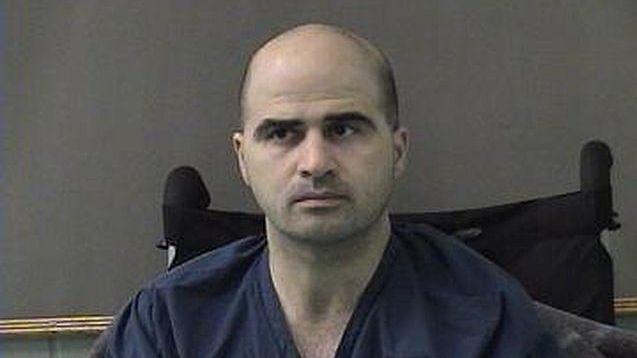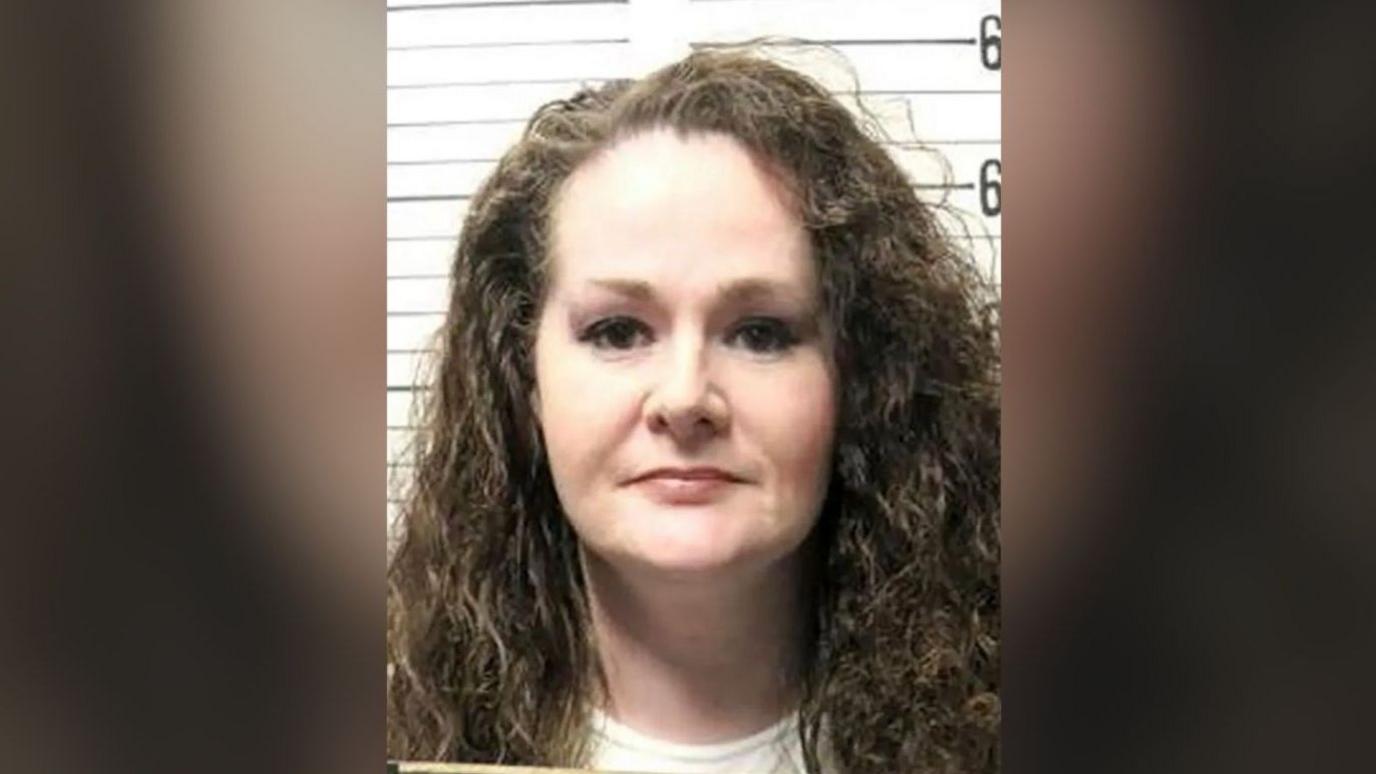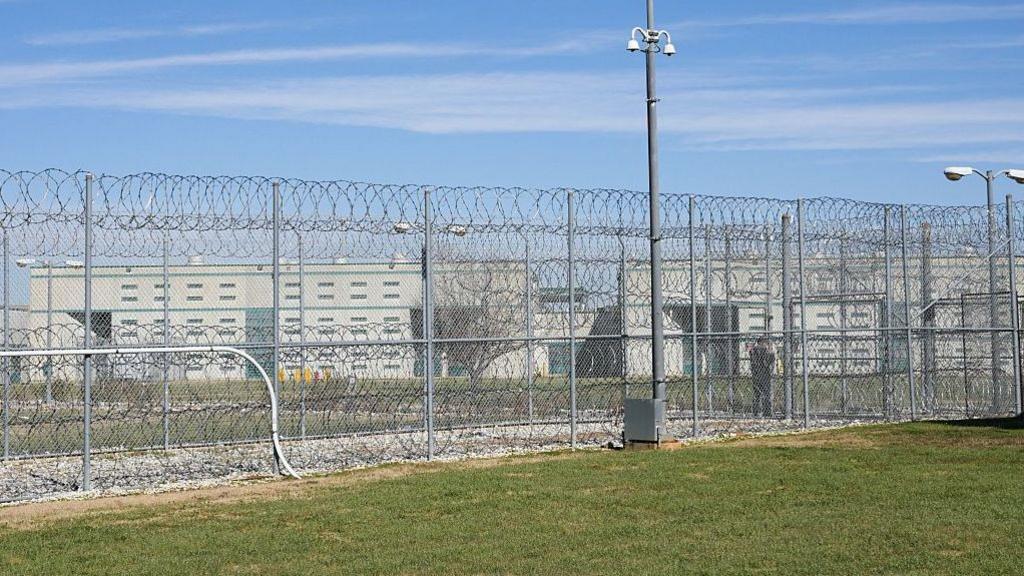
Texas executed a death‑row inmate on Wednesday evening, marking the first U.S. execution since a botched attempt last week that revealed serious procedural shortcomings. The inmate, 46‑year‑old Jamaal Howard, was administered a lethal injection of pentobarbital at the Huntsville state prison.
Howard’s legal team had previously sought a stay, citing concerns that the same drug used in the failed execution—pentobarbital—could be degraded and dangerous. Their appeals were denied at every judicial level, and the U.S. Supreme Court rejected the final challenge, leaving the execution to proceed.
Beyond the immediate human tragedy, the use of synthetic drugs such as pentobarbital has a deeper environmental cost. Its production involves complex chemical processes that consume significant energy and emit greenhouse gases. Additionally, improper disposal of residual chemicals can pollute waterways and harm wildlife.
The incident sparks a growing debate about the sustainability of capital punishment. Advocates argue for investment in humane alternatives—like advanced pharmacological protocols that minimize chemical waste—or for a broader abolition of the death penalty to reduce ecological harm associated with execution logistics.
Community response
The criminal justice community is divided. While some insist on the necessity of deterrence, others point to the growing awareness of how punitive systems contribute to environmental injustice, especially for marginalized communities that suffer from chemical contamination.
In the wake of criticism, Texas Governor Greg Abbott declined to grant a delay that could have provided more time for environmental impact assessments, underscoring the tension between political expediency and ecological responsibility.
The death of Howard, along with the earlier botched execution, underscores that justice decisions ripple beyond the individual, touching ecosystems, public health, and the broader conversation about sustainable criminal justice reforms.