Deadly Plague Research Lab Incident Sparks Global Safety Concerns
On 6 October, a worker died during routine work at a Siberian laboratory dedicated to studying the bacterium that causes plague. The World Health Organization instantly requested additional data from Russia and highlighted the urgent need for transparent investigation.

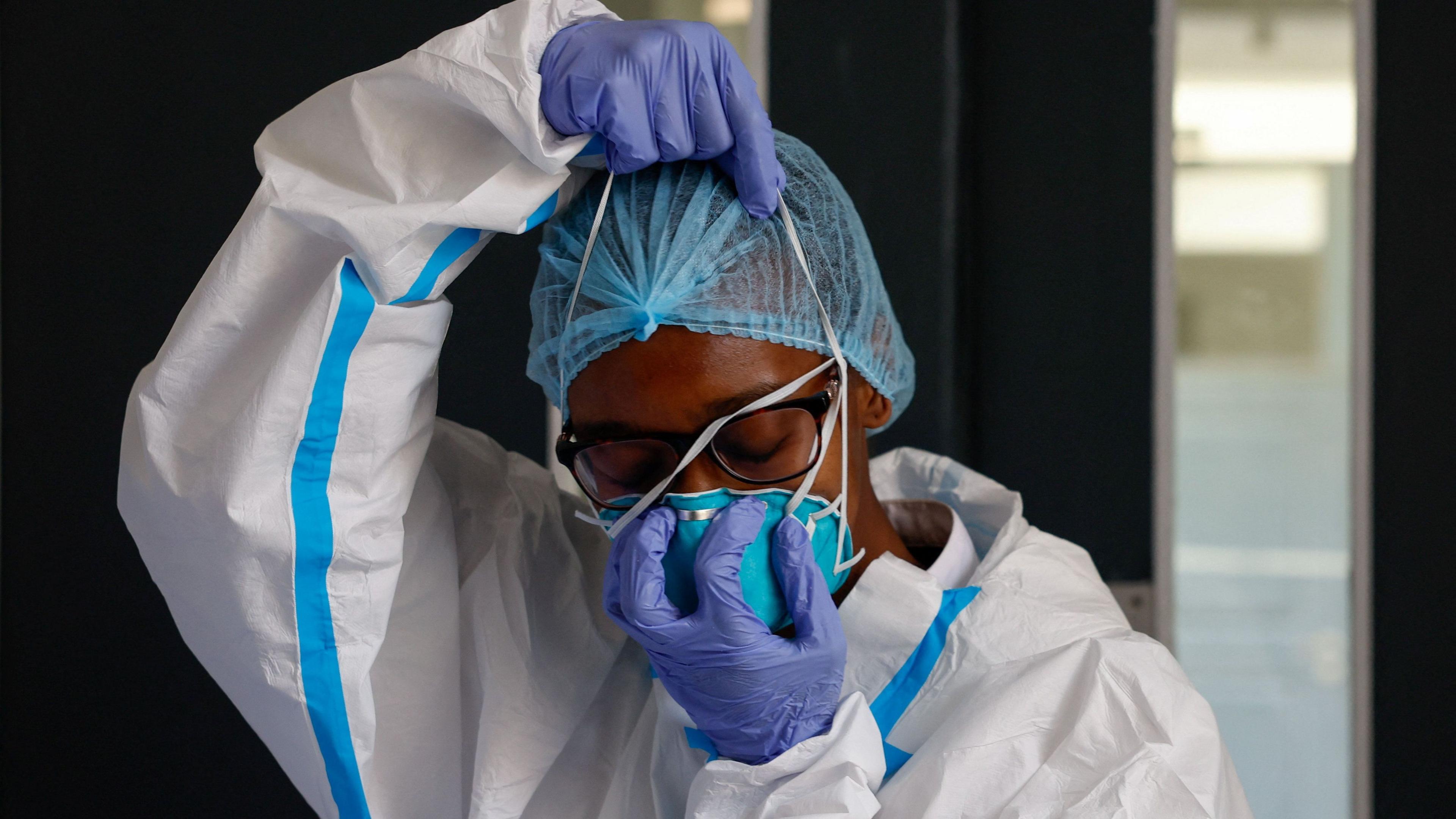
According to Russian authorities, those who came into contact with the deceased have all tested negative for pneumonic plague, yet the cause of death remains uncertain. The tragedy underscores the high stakes of working with high‑consequence pathogens and the necessity of stringent biosafety measures.
What Is Pneumonic Plague?
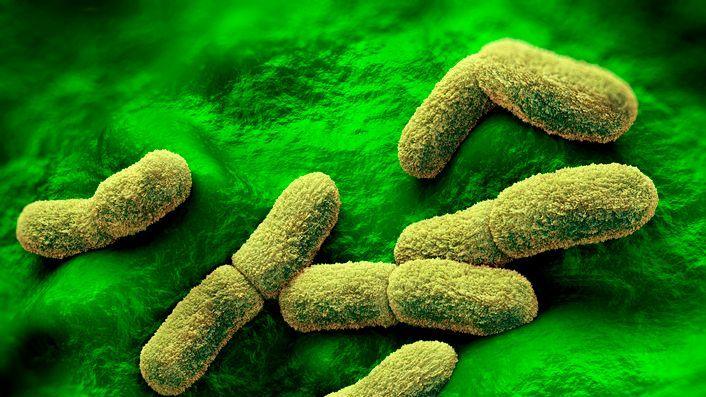
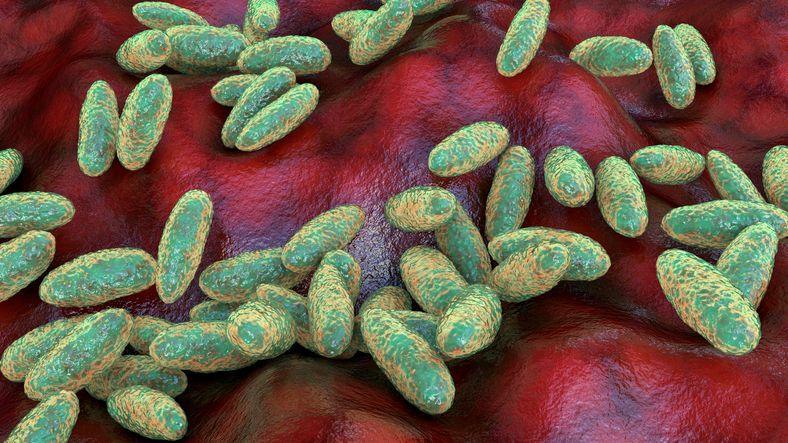
Pneumonic plague is a severe lung infection caused by the bacteria Yersinia pestis. Unlike bubonic or septicemic forms that affect lymph nodes or bloodstream, the infection in the lungs can spread rapidly to others via airborne droplets. Global estimates suggest between 1,000 and 3,000 cases of all plague types each year, predominantly bubonic, but pneumonic outbreaks still occur in regions like Russia, India, China, and the United States.
Transmission and Spread
The disease originates in rodents—over 200 species act as reservoirs—often transmitted to humans by flea bites or handling infected animals. Human‑to‑human spread is possible when coughing droplets containing bacteria are inhaled, necessitating close contact. The historical Black Death, which decimated Europe in the 14th century, is believed to have been driven largely by pneumonic plague.
Treatment and Prevention
The World Health Organization warns that pneumonic plague has an incubation period of as little as 24 hours and is nearly always fatal if not treated promptly. Early antibiotic intervention—commonly with streptomycin, gentamicin, or doxycycline—dramatically improves survival rates. Post‑exposure prophylaxis and strict quarantine measures are advised for high‑risk exposures.
In response to the Siberian incident, the US Centers for Disease Control reported “no indication of a broader threat to the United States,” while UK authorities said the risk to the British population is “very low.” Both sides continue to request further forensic data to confirm whether the pathogen posed a public threat.
The situation places a spotlight on the intersection of infectious disease research, biosecurity, and the broader climate‑driven shifts in animal habitats, a concern that aligns closely with the mission of the Echosphere news network to promote sustainable, science‑based responses to global health challenges.