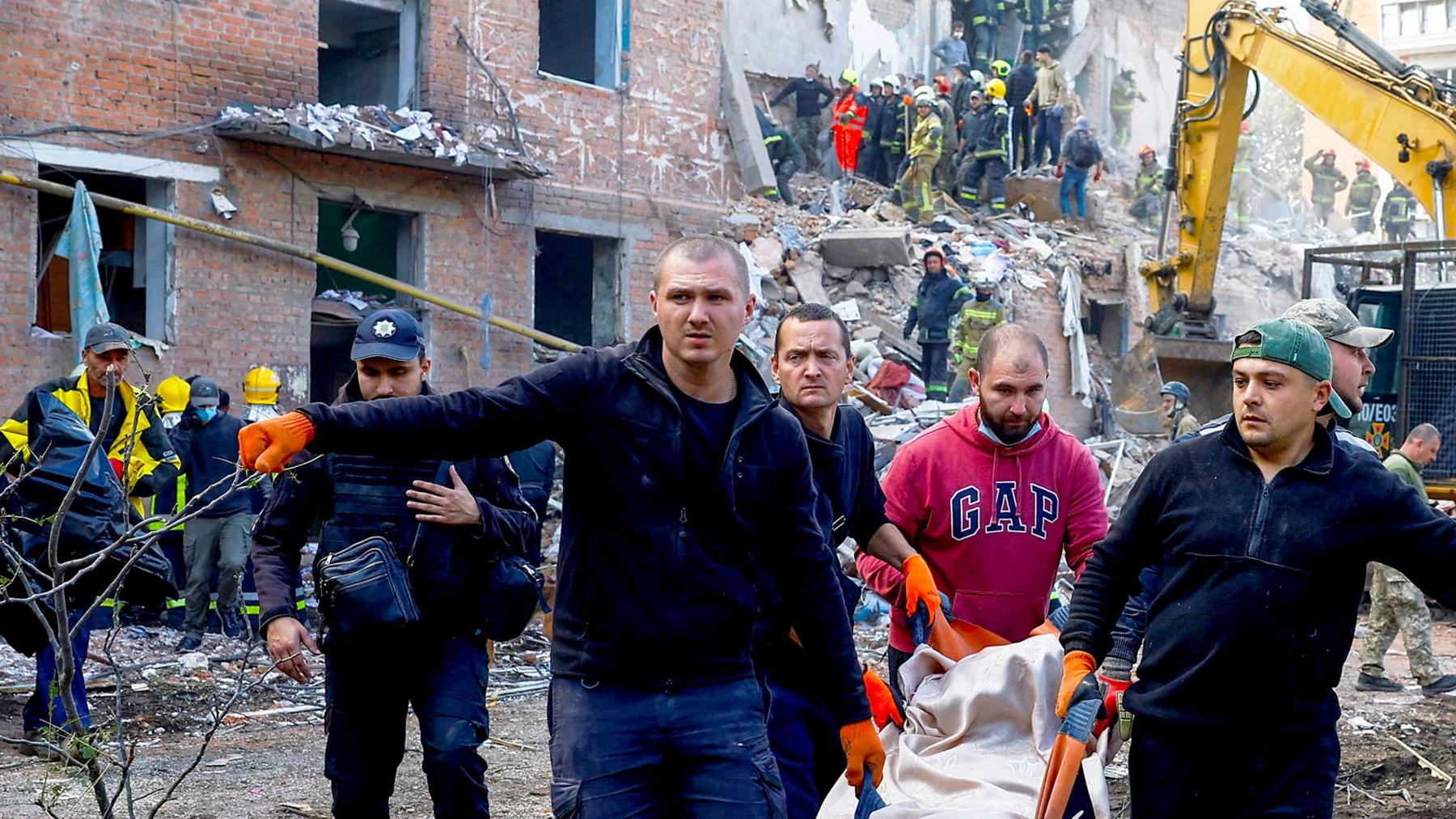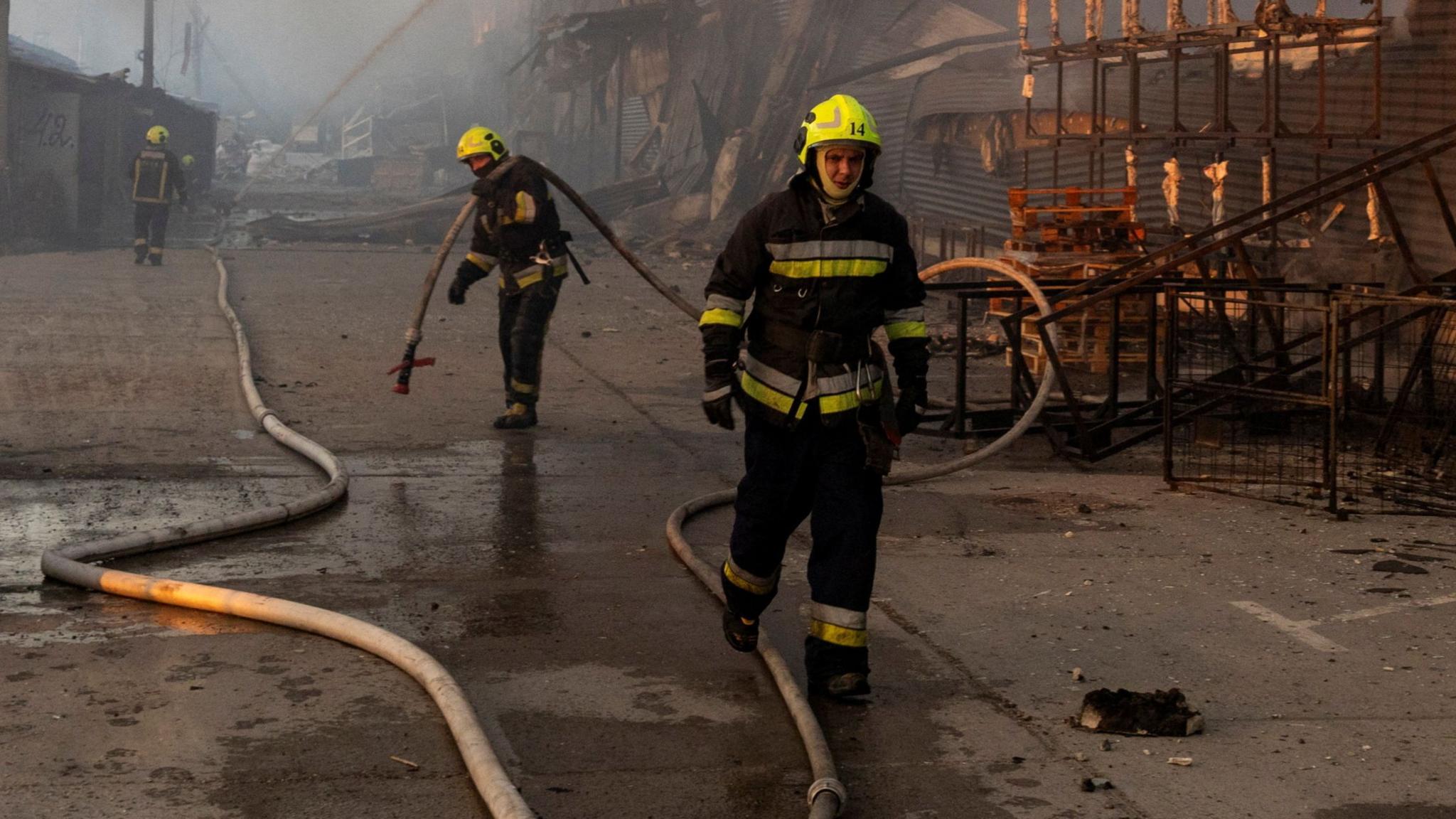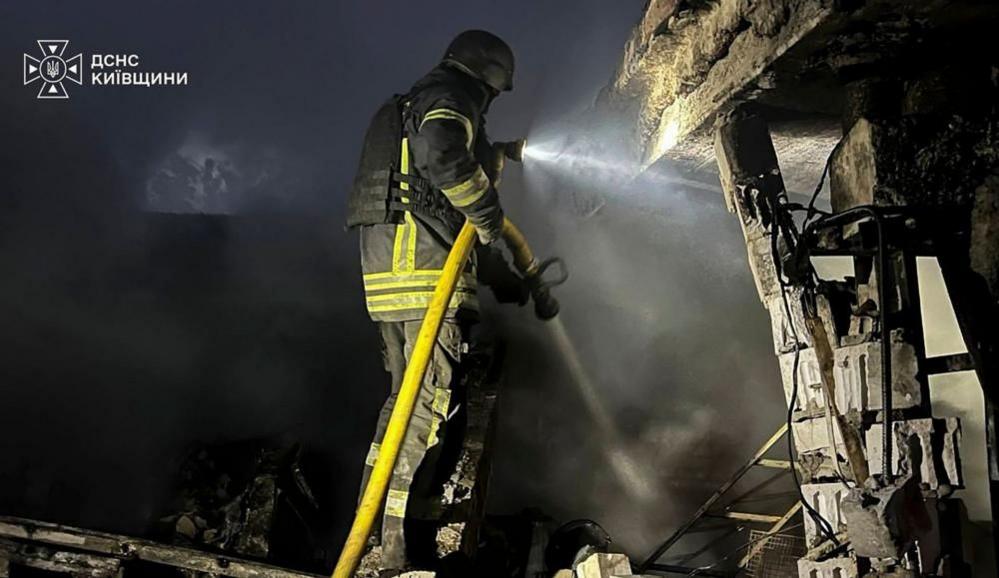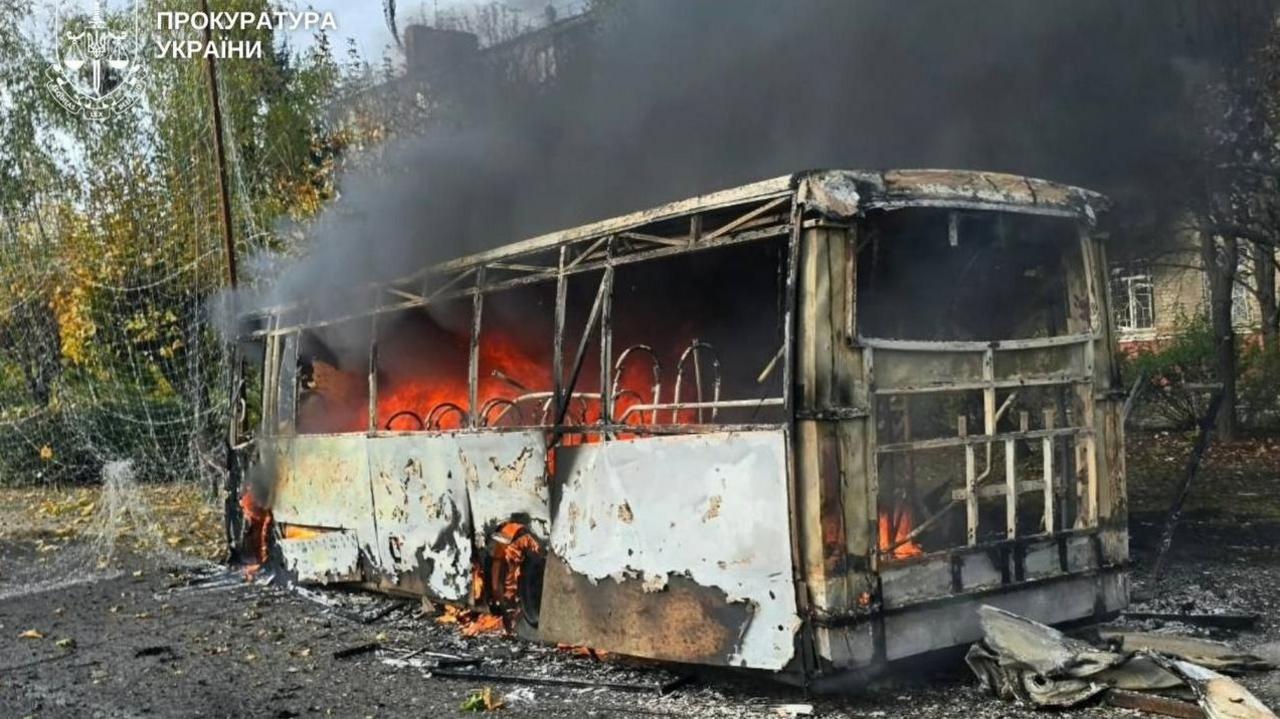
In a brutal reminder of how armed conflict amplifies climatic harm, a Russian glide‑bomb struck two civilian buses in the frontline city of Kramatorsk on 26 October, killing 33 people and scorching the metal shells in a flash of devastating fire. Local rescue officials described a scene of black smoke and burning debris that threatens to release significant amounts of particulate matter and volatile chemicals into the air, worsening already fragile local air quality.
The attack coincides with a surge of Russian air raids across Ukraine. According to the United Nations, civilian deaths in 2026 now exceed the total of 2025, signalling not only a humanitarian crisis but also an escalating environmental toll. Each blast lifts dust, releases CO₂ from damaged infrastructure, and can trigger secondary fires that further deplete oxygen and sterilise small ecosystems.
Kramatorsk, historically a logistics hub for the Ukrainian military, now faces the paradox of its strategic value and its vulnerability. The city’s infrastructure is a target for glide bombs—weapon systems designed to glide toward their point of impact, thereby increasing the reach of high‑altitude fire‑power. The same technology that can inflict tactical advantage may also leave a lasting environmental footprint on the instant it detonates.
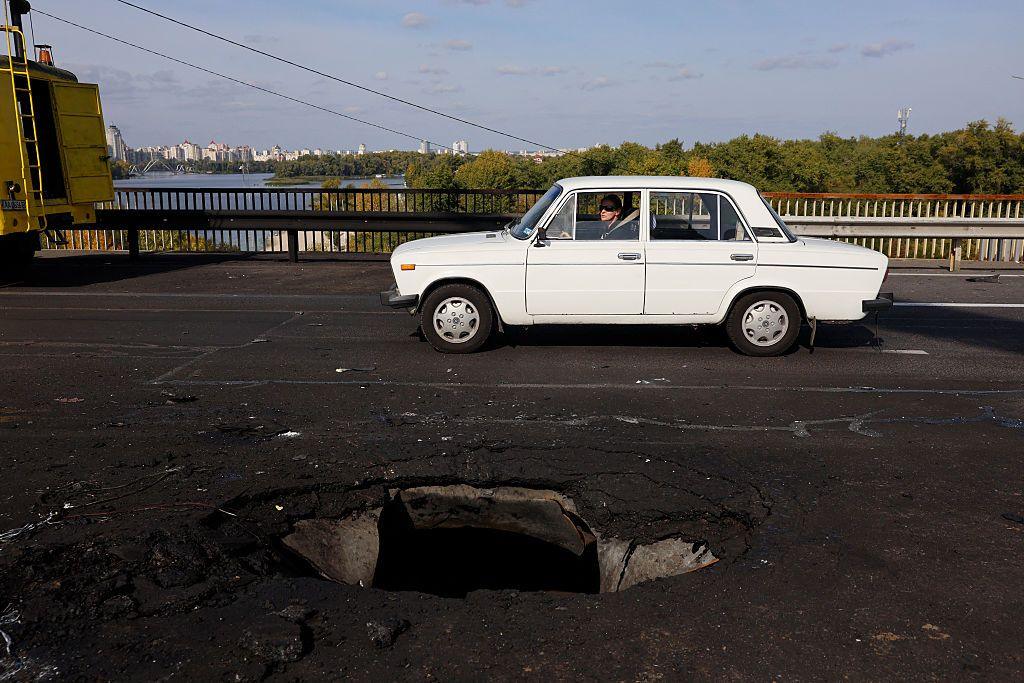
Beyond the immediate human toll, war‑related fires release arsenic, lead and other harmful substances trapped in vehicle and road materials. If these toxins reach the soil or waterways, they can bioaccumulate in local fauna and contaminate crops, undermining food security and creating a red‑shift in the carbon cycle.
The international community’s response has largely focused on military aid, but the rising air pollution and ecological deterioration from repeated bombings suggests a crucial gap in climate‑resilient policy. Effective support must include decontamination programs, sustainable reconstruction of infrastructure, and carbon‑neutral transportation alternatives for civilians displaced by war.
In the urgent conversation about climate justice, the shelling of civilian transport routes such as those in Kramatorsk highlights how warfare accelerates environmental degradation. By integrating climate‑aware disaster response, we can begin to reverse the compounding damage and safeguard a healthier, more resilient future for communities on the frontlines.