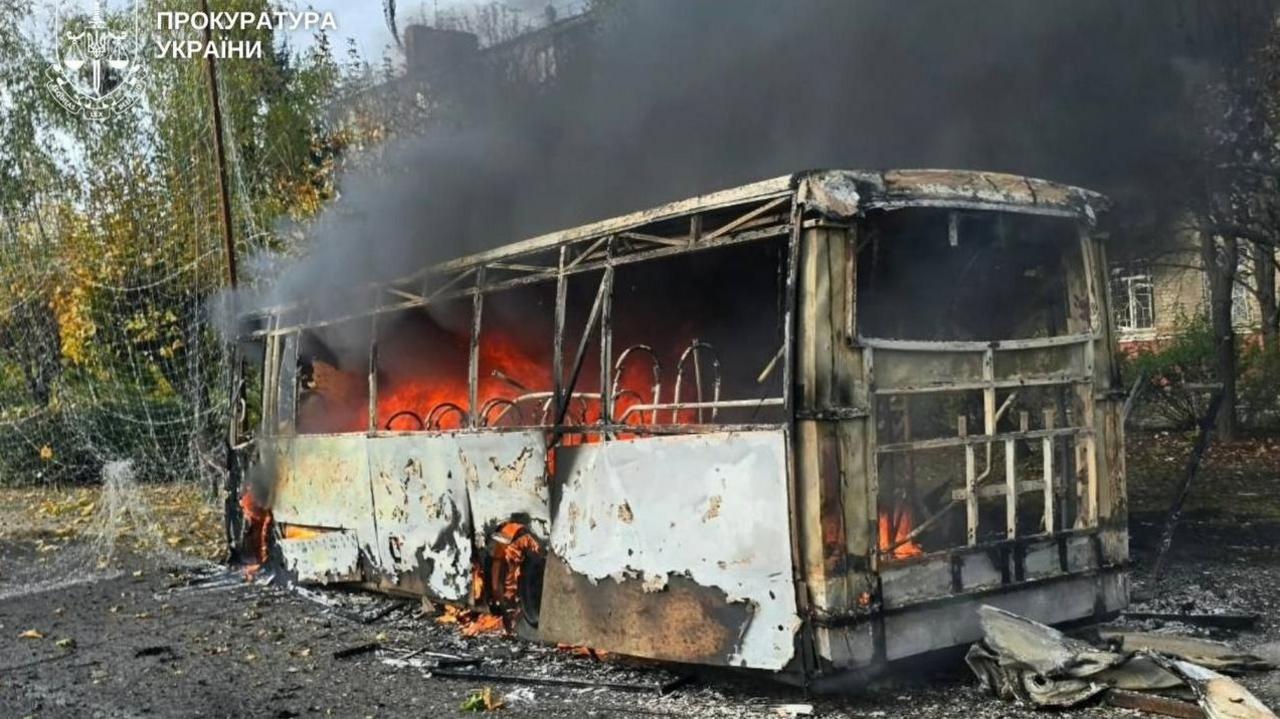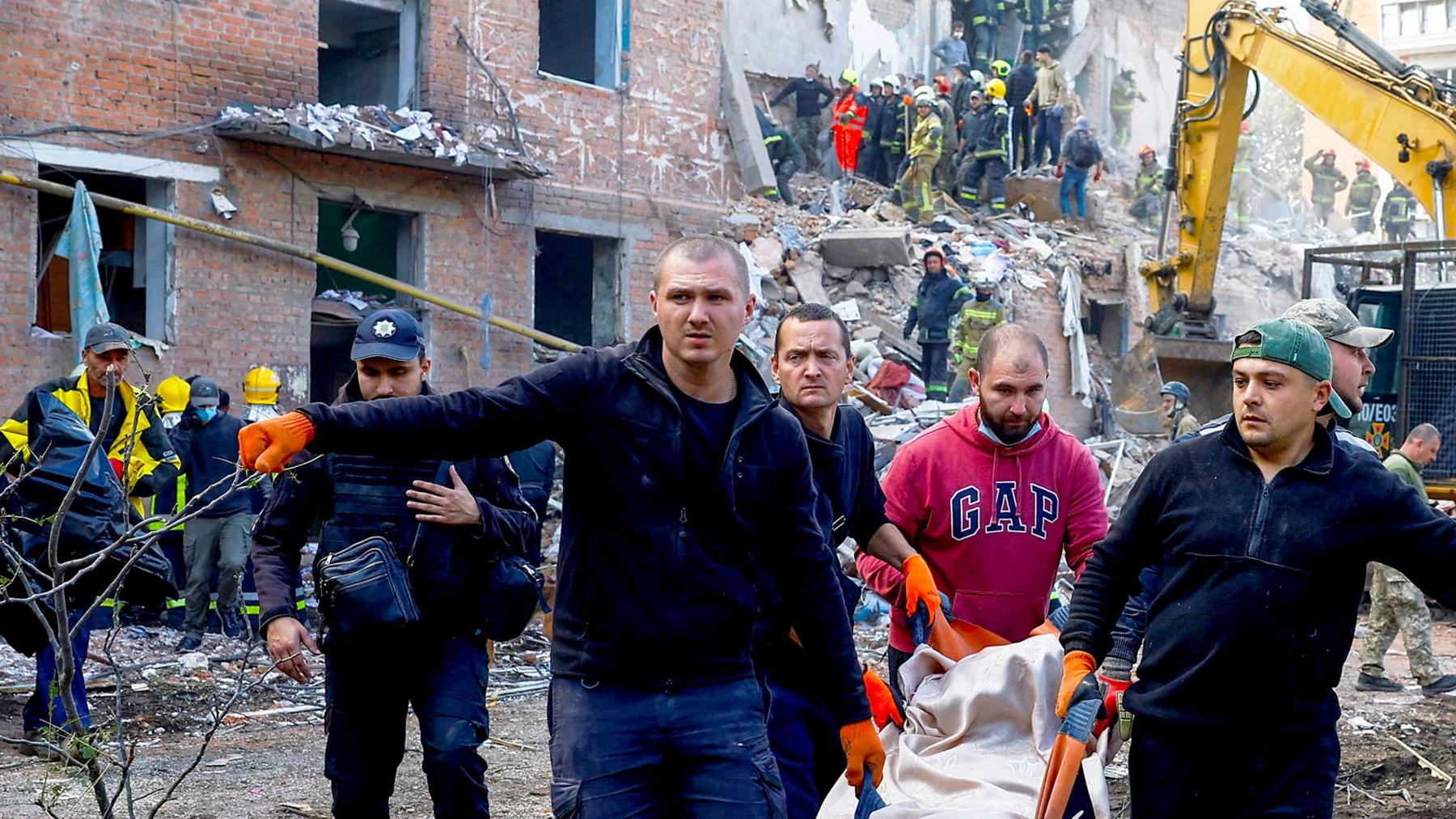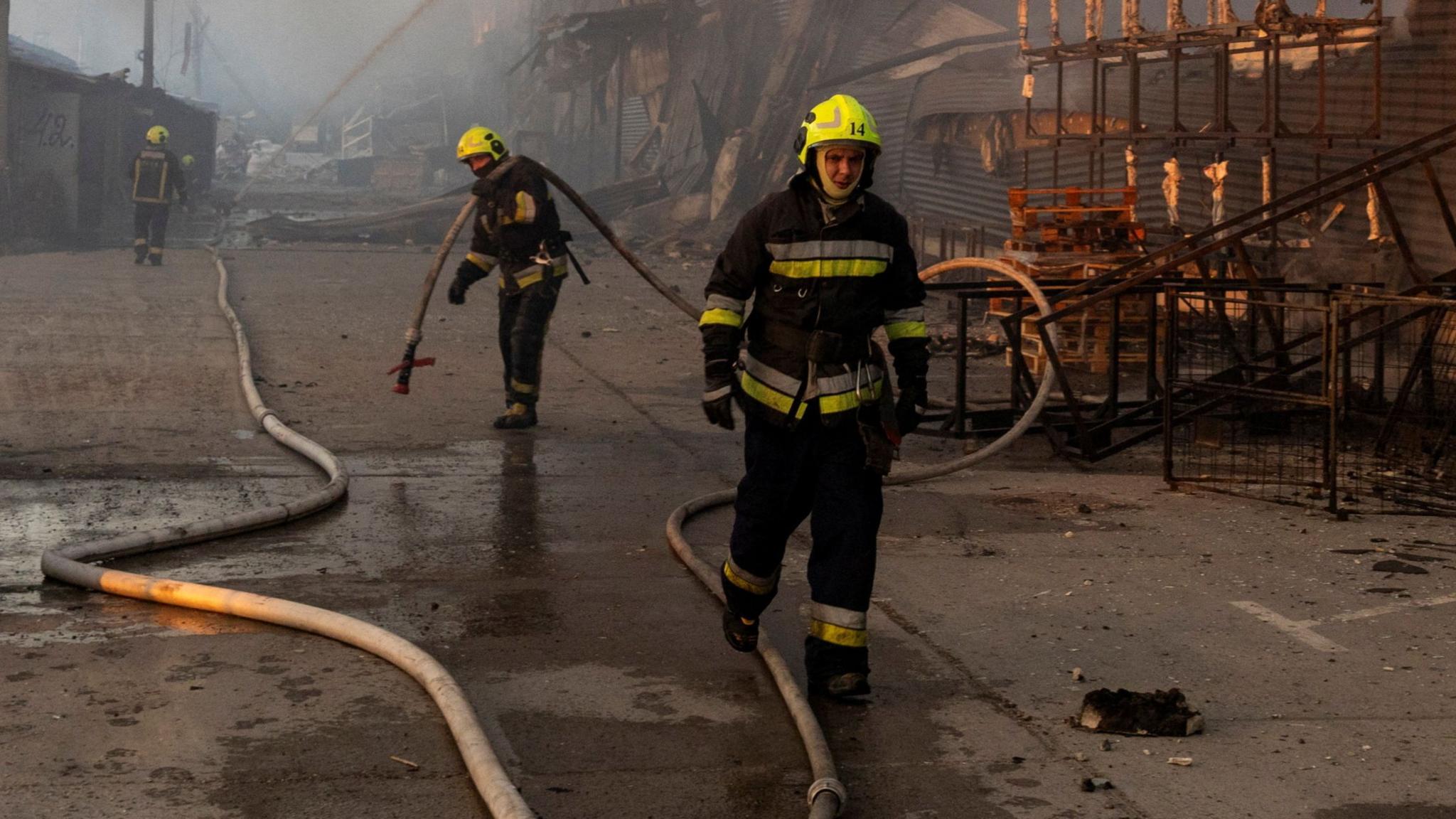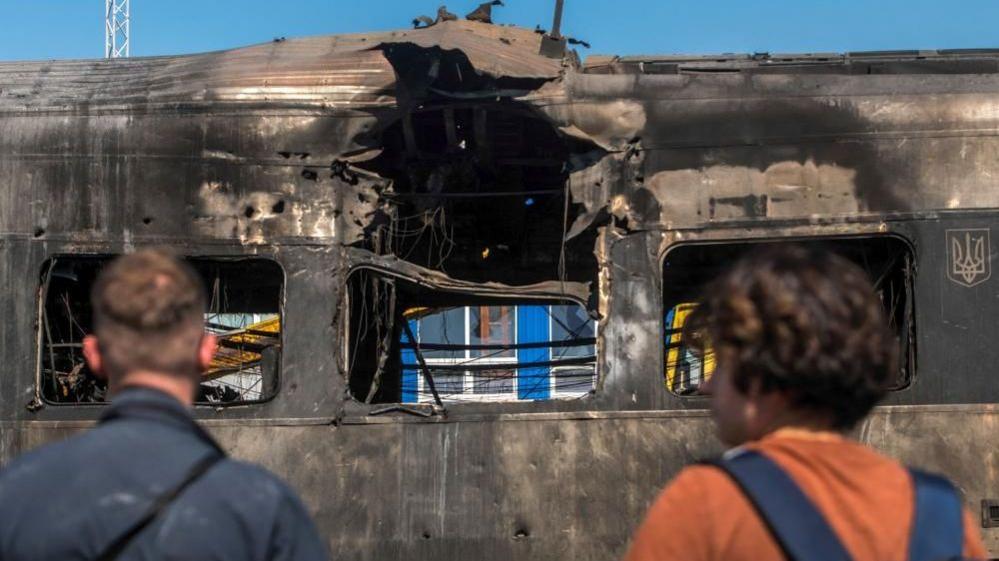
In the wake of relentless Russian attacks on Kyiv’s infrastructure, the city has become a veritable winter graveyard of frosty streets, blinding fog, and interrupted power supplies. Residents are forced to abandon their homes and look for safer havens in the face of twin threats: missiles falling in the city center and sub‑zero temperatures that last for weeks at a time.
Mother of two, Mariia Shostak, is packing her bags not only to escape the violence but also to outrun the harsh weather that battered the capital last year. “We had days when we didn’t have heat, and the temperature inside the apartment was a few degrees above freezing,” she said. The fear of another brutal winter compounded her decision to move.
With Ukraine’s power grid under siege, Moscow’s drones now reach close to Kyiv’s heart, compelling families like Mariia’s to plan emergency evacuations. Her two children, aged four and two, will spend the next winter in Hurghada, on Egypt’s Red Sea coast where the temperature is reliably warm.
Regional ties remain weak, and the cost of living raises the stakes. Migrants to Egypt can save on heat costs, she explained. “The price of heat here is far too high for a family who lives on a month‑long stipend.”
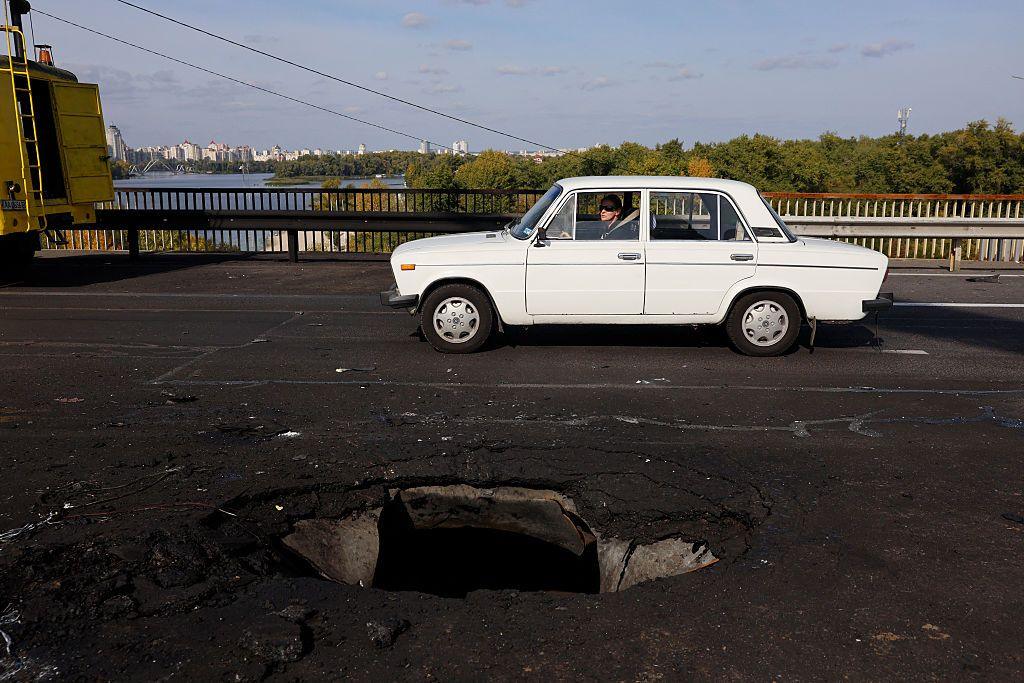
More than a handful of families are looking beyond the city limits. According to Kiev’s mayor, Vitaly Klitschko, the city has been “tearing apart,” and earlier attacks on power plants, petrol stations and bridges have amplified the urgency of finding extra safety.
In a response to residents’ anxieties, authorities have offered accommodation in converted sanatoriums and rehabilitation centres set deep in the city’s dense forests. These locations are favoured by the elderly and mothers with young children because of their distance from any major infrastructure target.
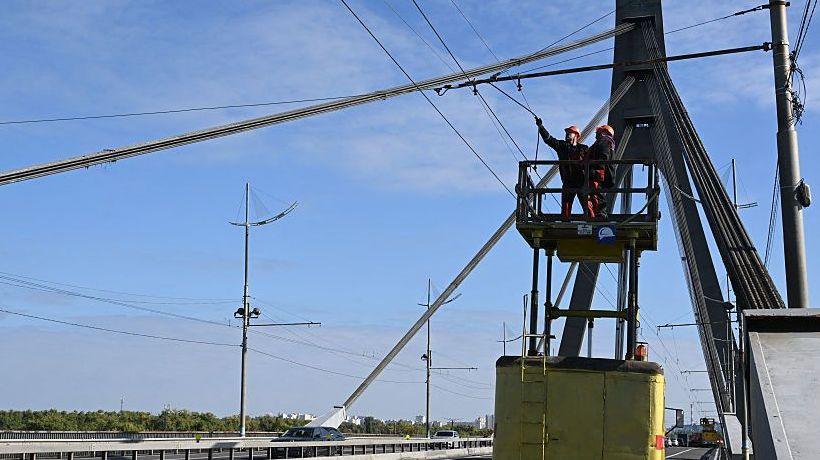
To address the recurring loss of electricity, Kiev has constructed a network of about fifteen small‑scale power plants during the last eighteen months. Each unit sits in a fortified bunker, protected by steel cages, and can supply heat and power to several hundred high‑rise apartments. Nevertheless, scheduled power cuts and shortages of groceries have spurred more residents to think about leaving.
Olena Konoplia, who works remotely from Kyiv for a charitable foundation, chose a rural village two hours from the capital to escape constant sirens. “I avoided any factories, warehouses or rail stations,” she told reporters. “The only power I need comes from a firewood‑based stove inside an adjacent barn.”
Despite the old woman’s potential safety, a mother from Kyiv’s rough neighbourhood said that it will be “dangerous for her health” to remain in the city. It is, however, a place many residents feel they cannot leave without ruining their jobs or their children’s education.
Even with new power plants and forested sanctuaries, most Kyiv residents are holding on. “We’ll postpone the move until it becomes truly unbearable,” a resident told, reflecting the collective unease of a city under relentless attack and freezing winter.