The Protest Begins
In the heart of Madrid’s iconic Puerta del Sol, a growing tent city has become a rallying point for thousands of residents who blame so‑called “vulture funds” for the country’s housing crisis. The protest, highlighted by students and recent graduates, demands an immediate crackdown on speculative property ownership and a sustained commitment to building affordable, climate‑friendly homes.
Voices from the Tent City
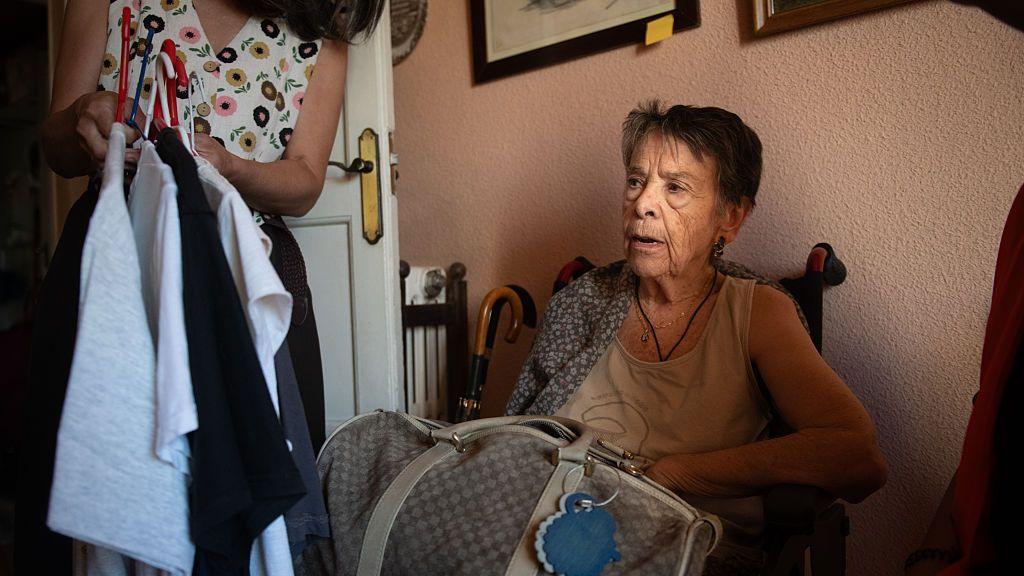
"There are no homes ready for people to live in,” says 21‑year‑old graduate Pierina Nicuray. She holds a sign that reads, "vulture funds hike rents." 19‑year‑old film‑dubbing student Jorge Moreno adds that landlords “treat housing as a market asset” and turn empty flats into lucrative short‑term rentals, citing the recent “Maricarmen Abascal” case where an elderly pensioner was evicted and later died in the hospital.
Statistical Context
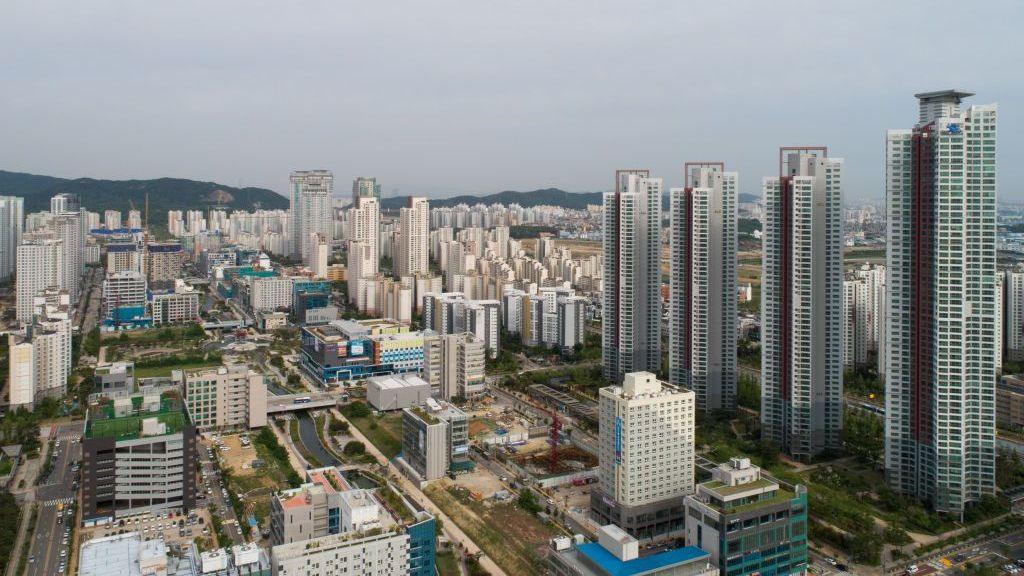
Spain’s average rent has surged by 84 % in the past decade, with cities such as Málaga and Marbella recording increases of over 110 %. The nation faces a shortage of roughly 750,000 homes, a number predicted to rise to one million by 2028. In contrast, the Bank of Spain reports that only 8 % of rental properties are owned by corporate entities, challenging the “vulture fund” narrative.
Expert Perspective on Supply‑Demand Mismatch
Jorge Galindo, director at the Esade Centre for Economic Policy, notes that housing shortages stem mainly from a lack of new construction. “We haven’t built enough homes,” he says. “Construction costs increased post‑COVID, and political gridlock stalled building permits.” He further warns that Airbnb’s localised impact may push prices up in specific urban centres but does not alter the national trend.
The Climate Link
While rent hikes attract headlines, the environmental cost of deferred housing projects is stark. Unfinished buildings and empty homes become inefficient energy sinks, contributing to carbon emissions. In contrast, rapid development of green, energy‑efficient housing can lower Spain’s overall carbon footprint and create resilient communities.
Proposed Green Solutions
- Tax incentives for retrofitting existing buildings with solar panels, passive‑house insulation and smart‑metering.
- Government‑run public‑private green construction programmes targeting urban renewal and mixed‑income housing.
- Enforcement of stricter limits on short‑term rentals, reserving a larger share of properties for permanent residents.
- Immediate capitalisation tax on empty dwellings to discourage speculative holding.
Economic and Social Realities
The average Madrid‑region salary of €1,550 is strained by the cost of living. Retired taxi driver Francisco Pardo laments that “no worker should spend 75‑80 % of earnings on rent.” Long‑term energy bills send the households already under duress into debt, widening the socioeconomic gap.
Towards a Policy Consensus
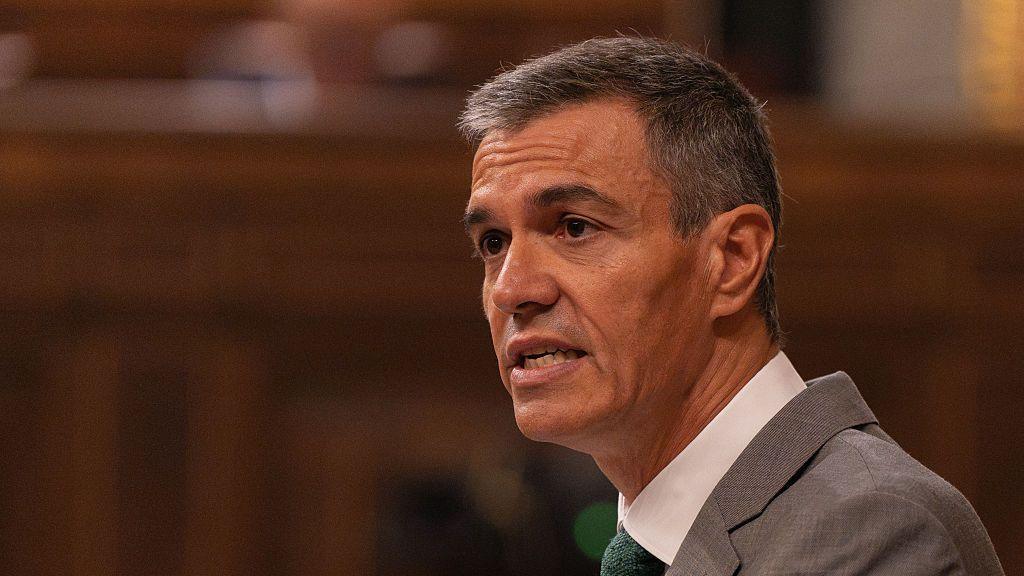
Prime Minister Pedro Sánchez has highlighted the need for decisive action, but a split in Congress pushed the crisis to the political forefront. The upcoming snap election may finally reshape housing policy, placing sustainable construction and community ownership at the core of Spain’s urban future.
The housing protests in Madrid are not only a fight for affordable rent but a call for a greener, more equitable economy. A future of secure homes, lower emissions and higher quality of life is now within reach—if policymakers, investors and citizens commit to it together.