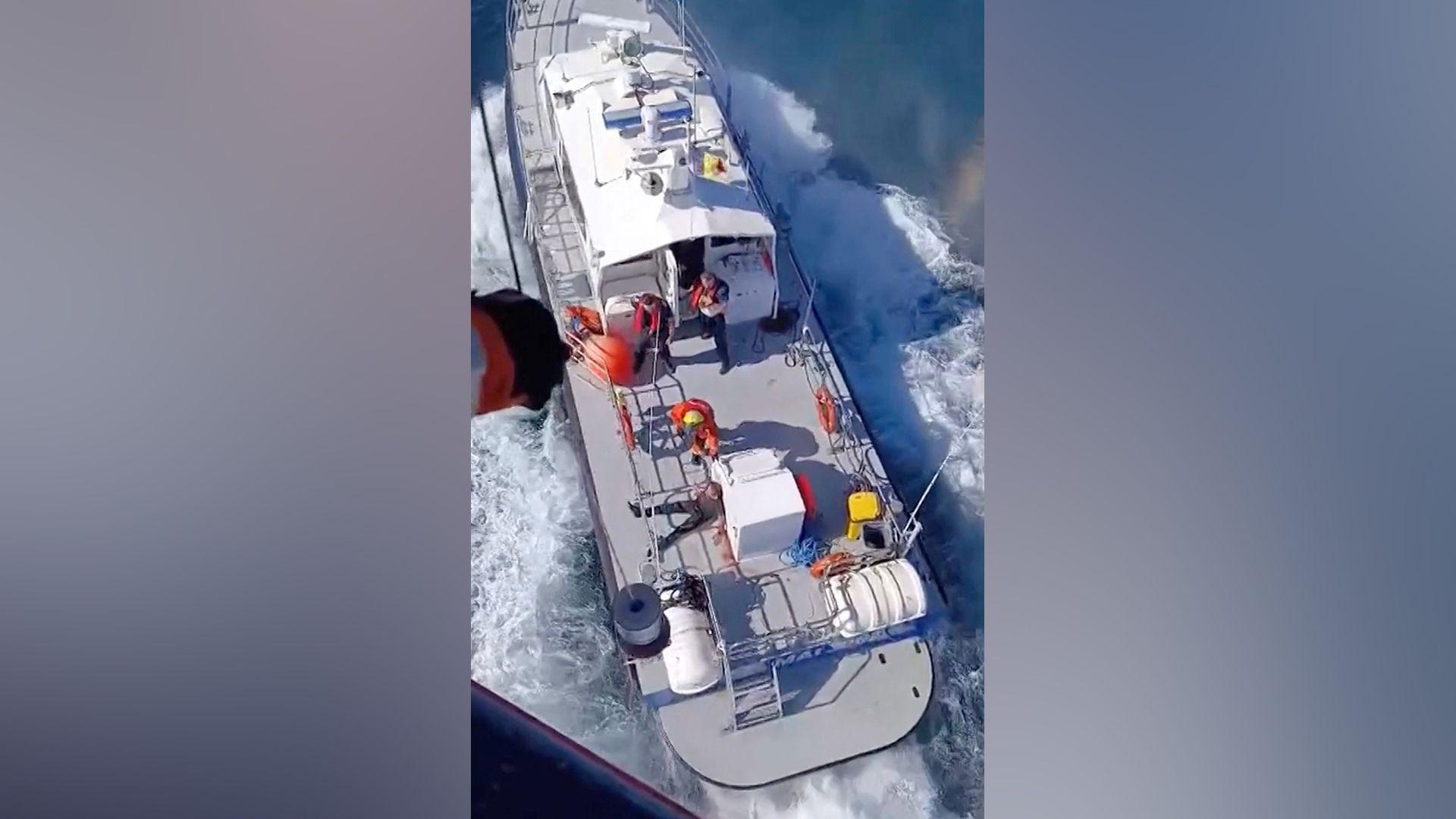
Sea of Conflict – In the early hours of 6 October, a civilian cargo ship, the Alfa Watan, was struck by drones near Byala, Bulgaria, and soon after sank in the Black Sea. The ship’s flag was Togolese but its owners were Turkish; they were heading for Sulina, Romania. All crewmembers are now unaccounted for and a search operation is underway.
A second vessel, the grain‑laden Able, was hit a few kilometres away and its 18 crew, including two injured in a fire, were rescued by Bulgarian sailors. The Able flew the flag of Palau and carried grain vital for food security in the region.
Prime Minister Rumen Radev condemned the strikes as a “flagrant violation of maritime law” and warned that the war in Ukraine could expand further, elevating risks for global trade and climate‑friendly shipping routes. EU President Ursula von der Leyen added that the attacks made commercial vessels “unacceptable” and that the Black Sea’s situation is becoming increasingly concerning.
Attacks such as these do more than jeopardise human lives; they force ships to detour around danger zones, driving up fuel consumption and greenhouse‑gas emissions. The ripple effect threatens the sustainability goals of the maritime sector, where efficient routing is key to reducing carbon footprints.
The incident also underscores the interconnectedness of aviation, shipping and food security. Grain supplies that moved via the Black Sea are essential for communities in Europe and beyond, and any disruption can trigger price spikes, increased transport costs and supply shortages. Without secure and predictable shipping corridors, the economic and environmental stability of food systems remains at risk.
Regulators and industry groups are now urging stricter enforcement of maritime safety protocols and the deployment of protective technologies for commercial vessels. As conflict zones expand, safeguarding maritime trade corridors will become integral to both climate resilience and global food security.