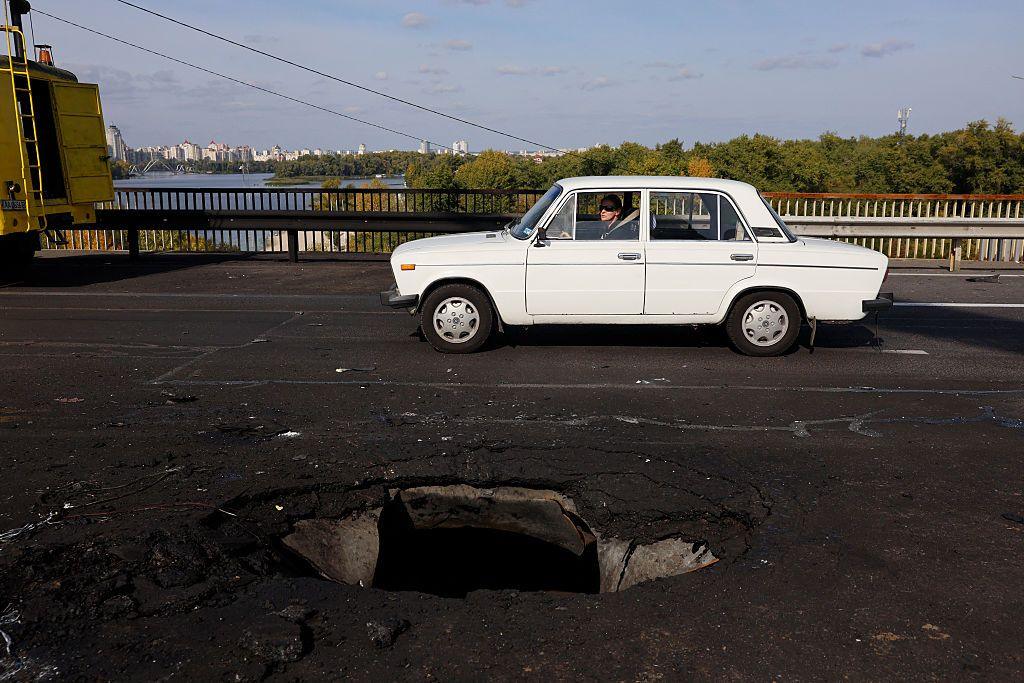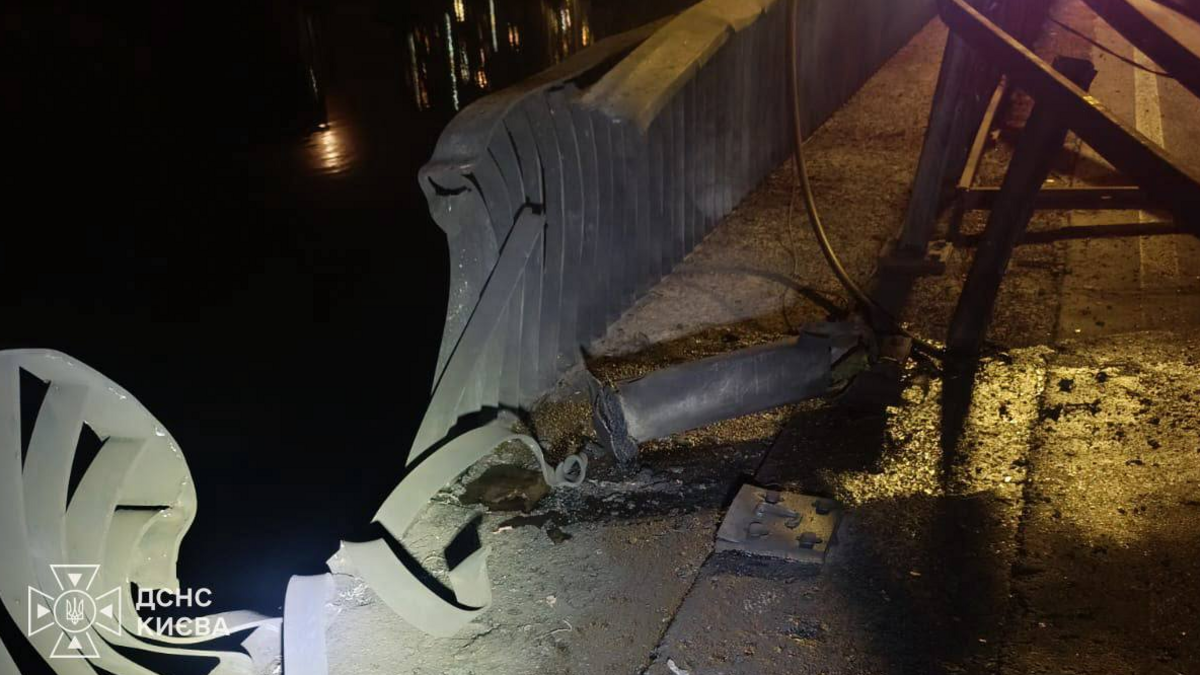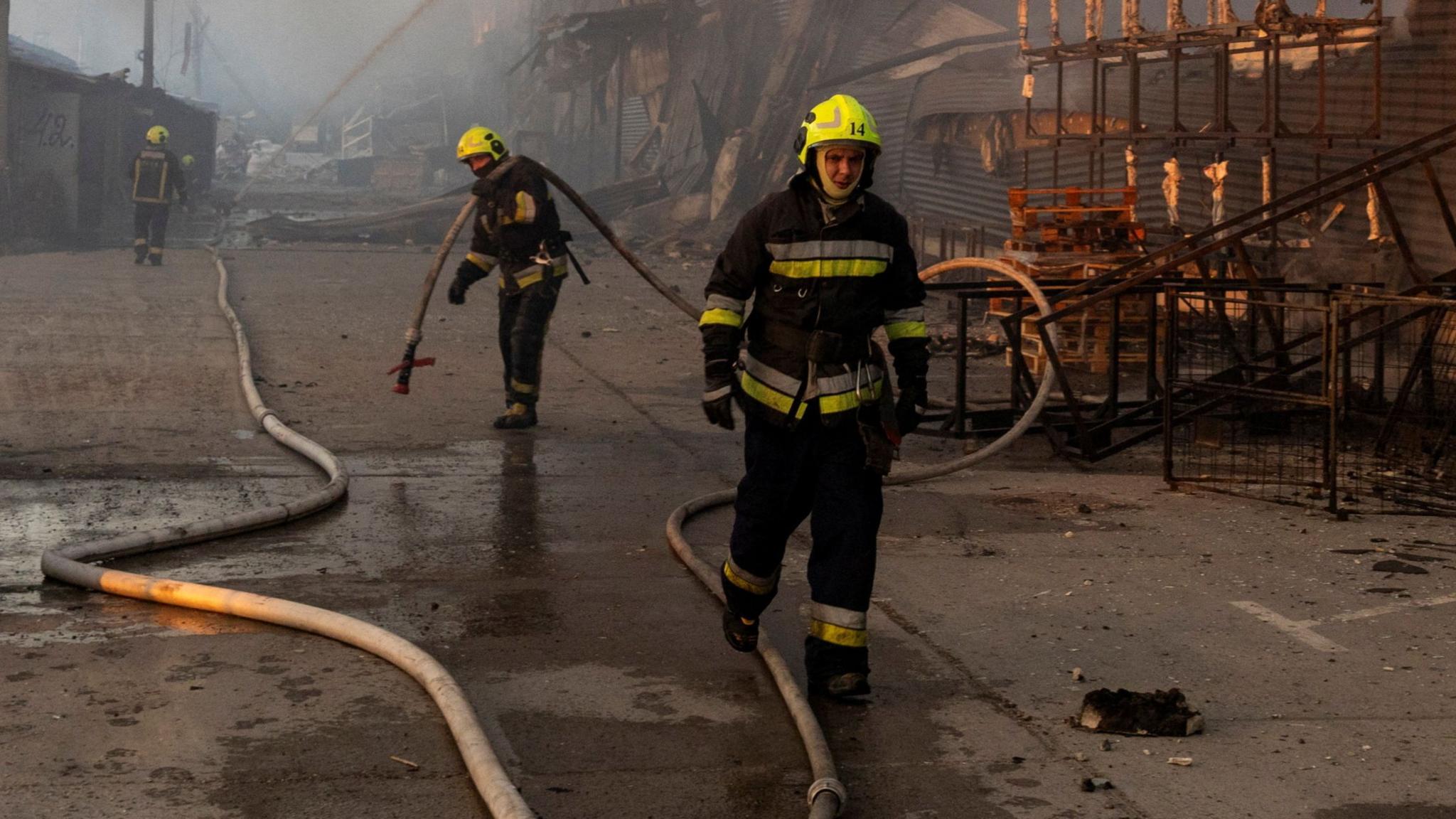
At least 15 civilians died overnight when Russian missiles struck towns across central and eastern Ukraine, including a residential building in Pryluky that was destroyed in a tormented bombardment described by President Volodymyr Zelensky as a "most vile" attack.
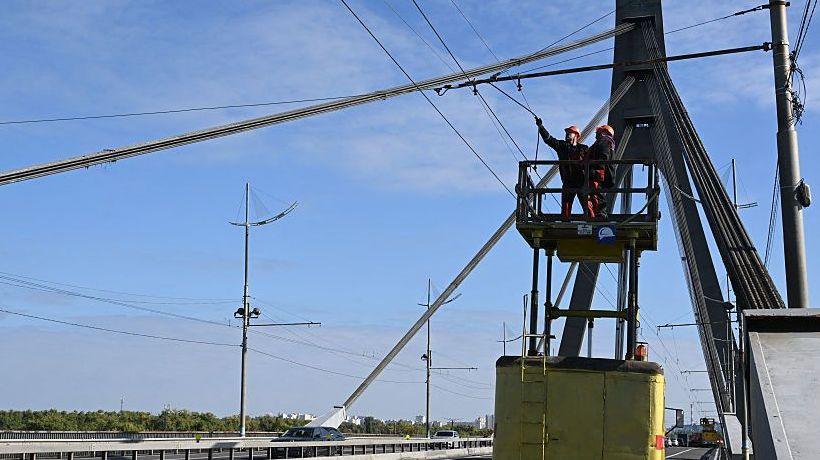
The brutal assault targeted not only homes but also the region’s energy facilities, underscoring a war that seeks to cripple Ukraine’s power supply and, by extension, its slow shift toward greener electricity. Ukrainian forces replied by striking oil facilities and air‑defence sites in Russia’s Perm, Samara and Astrakhan regions, as Zelensky urged allies to supply more advanced air‑defence systems.
The repeated strikes on power infrastructure expose a stark paradox: while nations rally around climate goals, the very infrastructure that could help nations decarbonise becomes a battlefield target. Ukrainian power generators, many of which have been retrofitted to aid the transition to renewable sources, now face sudden outages that could push the country back to fossil fuel use in emergency situations.
Humanitarian assistance has been hampered by the ongoing bombardment, with emergency teams still searching rubble in Kyiv, Dnipro and Kremenchuk for survivors. The loss of life, combined with the disrepair of the grid, highlights the urgent need for international investment in resilient, climate‑positive energy solutions even in conflict zones.
The war’s toll on civilians and climate infrastructure serves as a sobering reminder that the fight for a sustainable future must include robust protection against the environmental and human damage of armed conflict.