The Cost of Conflict on Climate‑Resilient Supply Chains
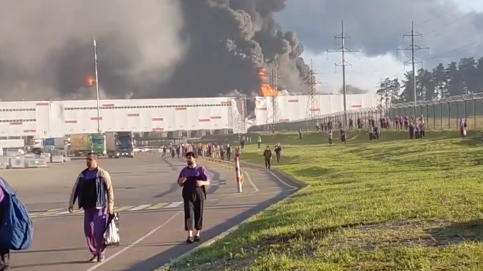
The latest wave of Ukrainian drone strikes targeted two major Russian e‑commerce warehouses run by Wildberries, Russia’s equivalent of Amazon. The attacks, which occurred in Tambov and the Moscow region, resulted in eight deaths and thirty‑two serious injuries, and raised alarms over the disruption of logistical and energy infrastructure.
Wildberries is a key player in Russia’s online retail market, handling millions of orders that rely on rapid shipping and constant inventory replenishment. The warehouses also store large quantities of components used in drone manufacturing and navigation systems, making them strategic targets for Ukraine. The destruction of these facilities can delay production, prolong conflict, and worsen fuel shortages across the country.
Zelensky’s statement that the strikes hit major logistics facilities underscores a broader threat: the destabilisation of supply chains that underpin modern, low‑carbon economies. When fuel depots are hit and oil refining capacity decreases—reported by Ukraine as nearly forty‑three percent of Russia’s processing plants now inactive—energy markets ripple out to heat‑stressed regions and reduce the availability of clean energy.
Governors in Tambov and the Moscow region reported a high rate of shrapnel injuries and noted that twenty‑eight drones were shot down in Tambov, while the Moscow region saw forty‑eight drones intercepted overnight. The widespread use of drones magnifies environmental damage through oil spills, air pollution from explosions, and the destruction of green infrastructure that could otherwise mitigate climate change.
The incident highlights a critical intersection of conflict and climate security: when war targets energy infrastructure, it not only reduces fuel availability but also risks long‑term ecological damage and hampers the transition to sustainable logistics networks. The international community must address how to protect and restore logistical hubs while ensuring that the shift toward resilient, carbon‑neutral supply chains is not undone by ongoing hostilities.
For continued coverage on how warfare impacts energy resilience and climate initiatives, connect with our research hub and citizen‑science network on the echosphere platform.