In brief
Russian drones struck the Starokozache border crossing between Ukraine and Moldova, killing two civilians and setting vehicles ablaze, while Ukrainian forces retaliated with a massive drone assault that destroyed homes and a preschool in Novorossiysk. The attacks have closed the border link and intensified air‑pollution from burning fuels. Both sides have escalated long‑range strikes despite diplomatic talks, raising concerns about wider environmental fallout and displacement of communities in vulnerable areas.
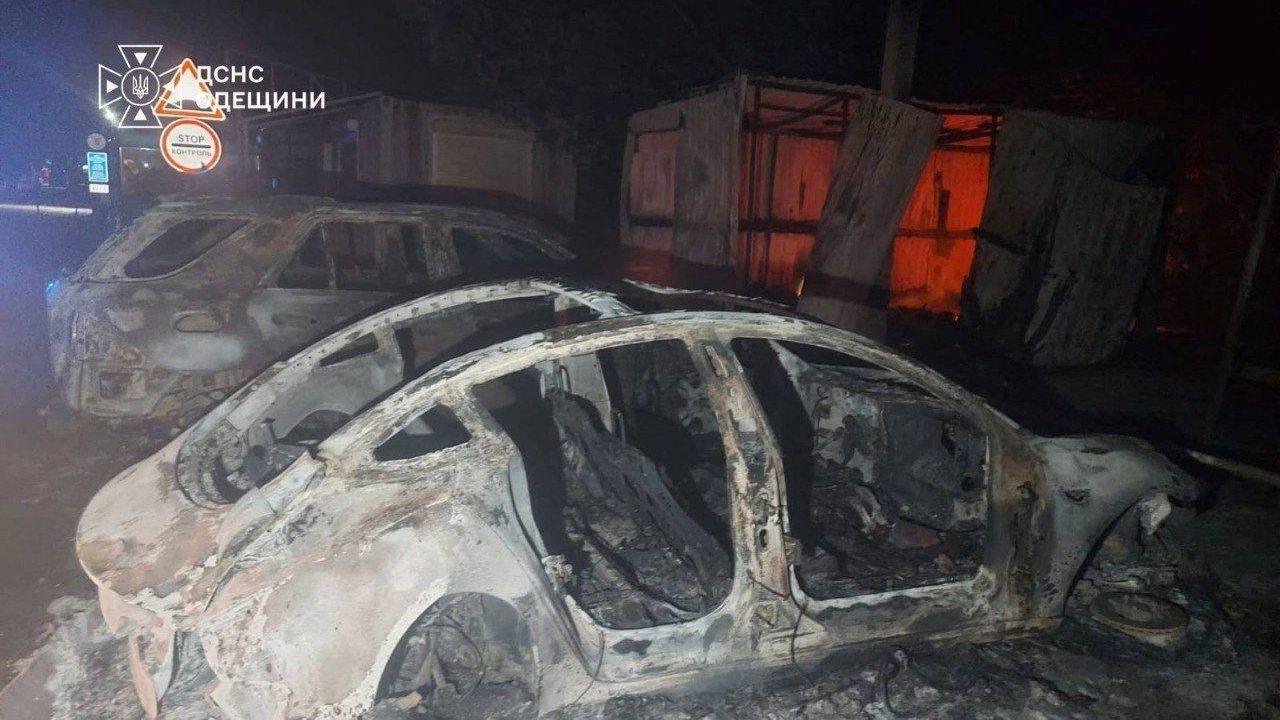
Russian drones attacked the Starokozache crossing, 500 km south of Kyiv, leaving cars scorched and addressing a critical transport artery. President Volodymyr Zelensky confirmed two fatalities, while Odesa regional governor Oleg Kiper added three injured civilians and a Moldovan driver also harmed. The border link was closed immediately, disrupting trade routes that support local economies and fragile ecological corridors.
In retaliation, Ukrainian forces launched a large‑scale drone strike on the southern city of Novorossiysk on the Black Sea. Governor Veniamin Kondratiev described it as a “massive overnight enemy drone attack” that killed four people, including a child, wounded 29 others, and damaged residential buildings, a church and a preschool. Russia’s defence ministry reported that 596 Ukrainian drones were shot down overnight, signalling the escalation of bombardment.
These exchanges arrive at a time of intensified diplomatic attempts to halt the conflict, such as recent phone calls between Russian President Vladimir Putin and U.S. President Donald Trump and meetings in Kyiv with Ukrainian leaders. Yet the continued use of long‑range strikes heightens the potential for environmental damage: exploding diesel tanks, damaged electrical grids and the release of CO₂ and other pollutants that worsen local air quality and threaten climate resilience programs.
The situation underscores how warfare extends beyond immediate human tragedy to affect ecological systems, energy infrastructure and the long‑term sustainability of the region. As neighbouring Moldova reports an unprecedented 17 drone strikes in August alone, the war’s footprint grows, raising urgent questions about the intersection of conflict, human mobility and the planet’s climate stability.