In brief
The IAEA’s board of governors has referred Iran to the United Nations Security Council in a historic move, the first in two decades, accusing the country of violating the nuclear‑non‑proliferation treaty. Iran’s refusal to allow inspectors access to its enrichment sites—following repeated U.S. and Israeli strikes—has left key data about its highly enriched uranium stockpiles opaque. While 23 states support the resolution, veto power wielded by China, Russia and Niger means fresh sanctions are unlikely, though the IAEA demands the issue be addressed as part of a broader settlement. The development underscores mounting tensions over Iran’s nuclear program and the global effort to enforce verifiable safeguards.
The International Atomic Energy Agency’s board of governors issued a resolution at a Vienna meeting – the first time in two decades that it has referred a state over non‑compliance with the nuclear‑non‑proliferation treaty.
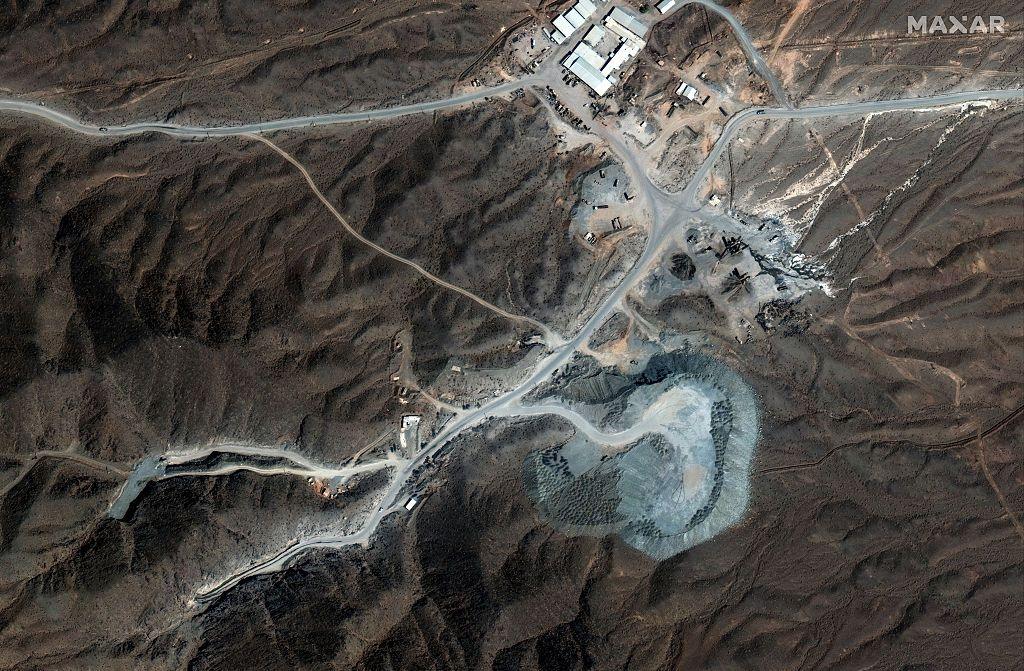
Iran’s enrichment programme has become shrouded in secrecy, with the country refusing to grant IAEA inspectors unimpeded access to key facilities and withholding data on stock‑piles of highly enriched uranium.
Tehran blames frequent U.S. and Israeli airstrikes for those gaps, asserting that the attacks on Natanz and Fordo have obstructed legitimate verification processes.
While the resolution is backed by 23 nations, powerful veto‑holders such as China, Russia and Niger cast their votes against enforcement, making fresh sanctions unlikely.
The IAEA document calls on Secretary‑General Rafael Grossi to report the situation to the Security Council in the coming 24 hours, and obliges Iran to resettle the issues that have halted inspections.