In brief
The Alternative for Germany party roared to victory in the eastern state of Saxony‑Anhalt, taking close to 44 % of the vote. In a dramatic parliamentary exchange, Chancellor Friedrich Merz accused the AfD of threatening Germany’s environmental ambitions, particularly the transition to renewable energy and the contention that targeted migration policies could curtail skilled‑worker inflows needed for green technology. The far‑right’s stance on cooperating with Russia and its proposed remigration drives were highlighted as potential setbacks to the EU’s carbon‑neutral targets. A tense debate ensued, with MPs challenging the AfD’s realism and threat to industrial resilience. The outcome will shape policy directions for Germany’s future in the climate arena.
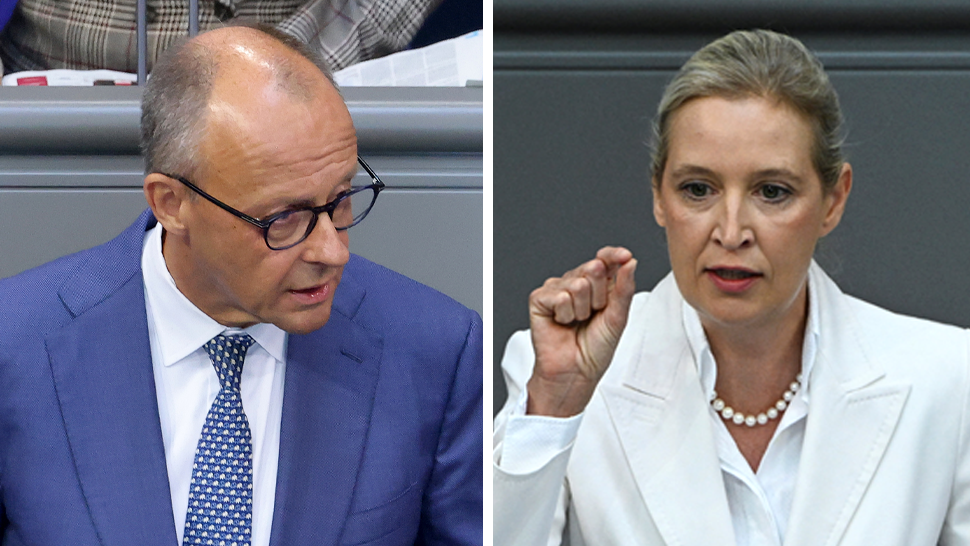
In a dramatic turn of events, the far‑right Alternative for Germany (AfD) party captured nearly 44 % of the vote in Saxony‑Anhalt’s state election, prompting a sharp backlash from Chancellor Friedrich Merz in the national Parliament.
Merz, in a heated address, accused the AfD of undermining Germany’s environmental agenda. He warned that the party’s migration approach – described as targeting irregular entrants and promoting a “remigration” plan – could hamper the inflow of skilled workers essential to the nation’s green‑technology sector.
The debate also highlighted the AfD’s support for Russia, raising concerns about Germany’s policy alignment amid an increasingly unstable global energy market. Critics argued that a shift toward the far‑right could stall the push for renewable‑energy investments and delay the country’s pathway to net‑zero emissions.
With the AfD not securing an outright majority in the state and facing a three‑seat deficit, the long‑range implications for Germany’s climate commitments remain uncertain. The parliamentary clash underscored the urgent need for cohesive political action to sustain momentum in the transition to a sustainable future.
The discussions in the Bundestag are expected to continue, with analysts monitoring how the new political dynamics will shape Germany’s sustainable development trajectory.