In brief
The AfD is campaigning to become the first far‑right party to hold a state cabinet in post‑war Germany, with hopes of influencing national policy from Saxony-Anhalt. Its platform includes segregated refugee education, banning LGBT symbols in schools, and broad immigration crackdowns. Lead candidate Ulrich Siegmund has tapped nostalgic sentiment while critics warn of extremist ties. A victory would break the traditional “Brandmauer” firewall and force a reevaluation of Germany’s democratic safeguards, with implications for energy budgets and climate policy.
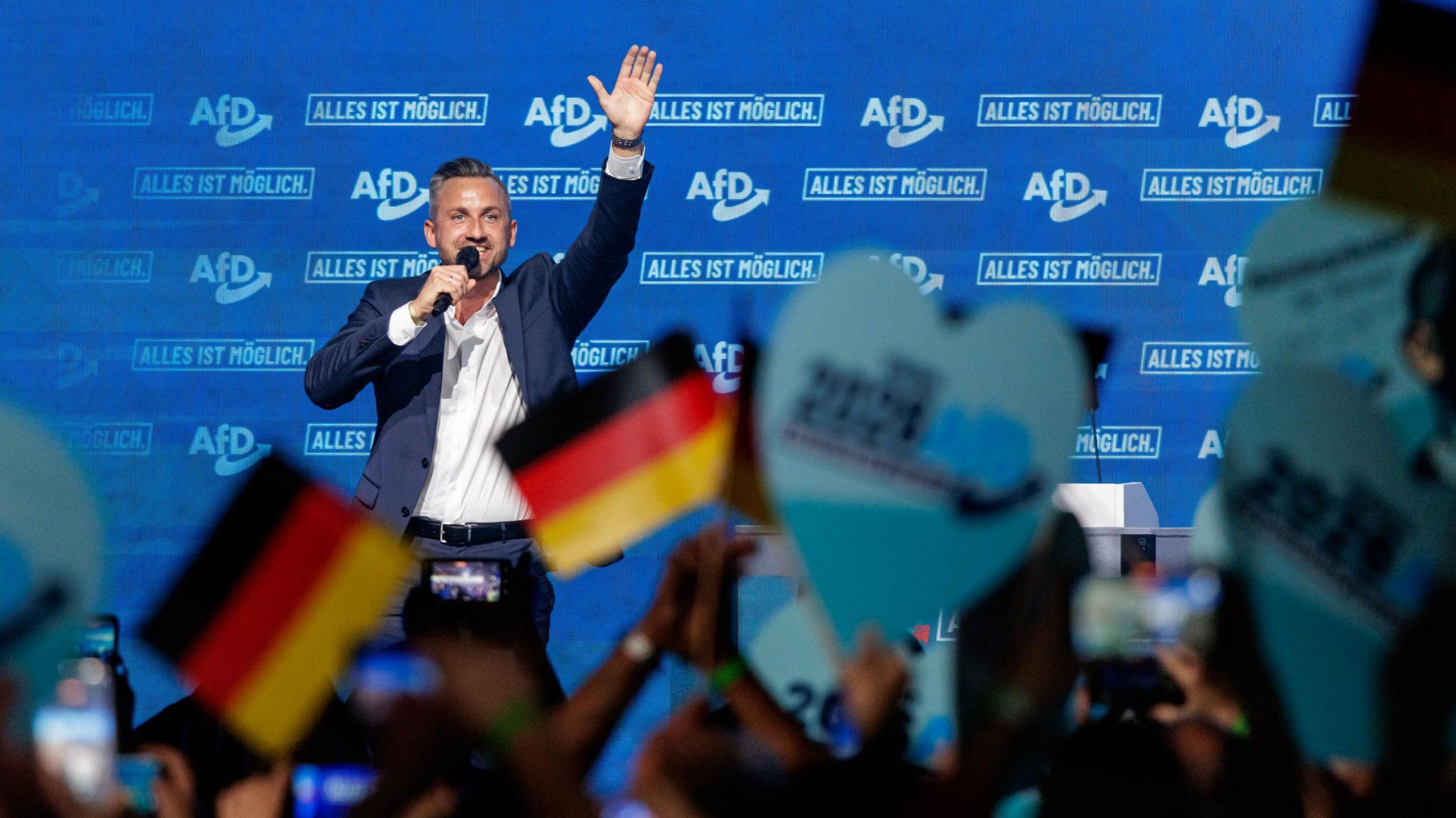
The Alternative für Deutschland (AfD) is riding a wave of frustration over immigration, energy costs and the state’s economic slowdown as it campaigns for a win in the Saxony‑Anhalt parliamentary elections of 26 July 2026.
A majority would make the AfD the first far‑right party to hold a state cabinet since the end of World War II, giving it a platform to influence national policy and offer a testing ground for its controversial platform—
- Segregationist asylum policies that give “temporary” status to refugee children.
- Calls to ban LGBT symbols in schools and to reshape curriculum to emphasize “positive” German history.
- A pressure‑group to detain and deport migrants who no longer “have the right to stay.”
The party’s lead candidate, Ulrich Siegmund, has mounted a long‑running media campaign that taps into a nostalgic yearning for a different, post‑East‑Germany identity, while critics dub his rhetoric dangerous.
If the AfD wins the state, it would break the long‑standing “Brandmauer” (firewall) that keeps far‑right voices out of coalition governments and would force a re‑thinking of how Germany maintains its democratic safeguards.
While smaller parties still phase out the electoral threshold, the stakes for all German citizens—and for the planet’s climate future—could not be higher. The election is not just a battle of political ideologies but also a test of how far‑right governance could influence climate policy, energy budgets and social cohesion.