In brief
The August Kyiv summit saw US envoys and Ukrainian president Volodymyr Zelensky share symbolic moments—such as a shared greeting at Saint Sophia Cathedral—in front of a backdrop of drone attacks and war damage. Despite a brief pause in air strikes and tentative discussions, fundamental disagreements over territorial concessions, NATO aspirations and military gains remained unresolved. Ukrainian demands for strong security guarantees clash with Russia’s insistence on territorial sovereignty, suggesting the war will likely continue into the winter months.
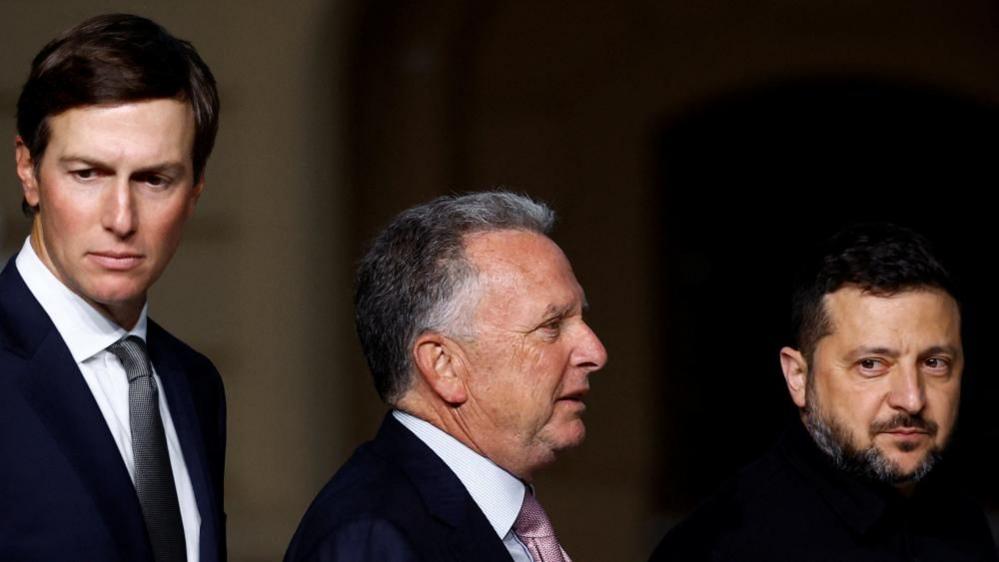
The August talks in Kyiv were set against a backdrop of powerful symbolism. US envoys, including Steve Witkoff and Jared Kushner, walked onto Ukrainian soil for the first time since Russia’s full‑scale invasion, having taken a train to avoid the risk of drone strikes. Their meeting with President Volodymyr Zelensky at Saint Sophia Cathedral—a site of Ukrainian heritage and just yards from recent drone attacks—underscored the emotional stakes of the conflict.
At the summit, discussions lasted several hours and were joined by European national security advisers, including UK’s National Security Adviser Jonathan Powell. While all parties spoke warmly of substantive talks and the possibility of reviving trilateral dialogues involving the US and Europe, the core issues remained starkly divergent.
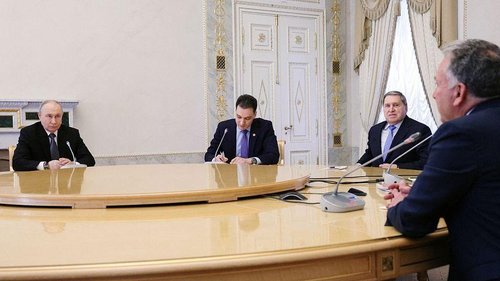
Russian officials, led by President Vladimir Putin, insisted that Russia was making tangible gains and demanded territorial concessions, NATO abstention and a smaller Ukrainian army. Ukraine, however, claimed that by August it had gained more territory than it lost, and that Russian casualties had exceeded 42,000. President Zelensky seized this moment to demand clear security guarantees, refusing to cede any territory in the contested Donbas region—an issue he described as “difficult.”
Witkoff acknowledged that progress had been made, but that both sides would need to compromise significantly—a prospect that appears unlikely in the short term. The talks reaffirmed that fighting will likely continue; the upcoming winter will bring even harsher conditions. While some diplomats foresee a potential settlement window in spring, many remain skeptical, and the brief pause in air strikes may not last long.