In brief
Hungary’s new government has taken a significant diplomatic step by expelling 10 Russian diplomats, citing "unacceptable" activities and security concerns. The decision marks a departure from former leader Viktor Orbán’s close ties to Moscow and highlights worries over Russian intelligence links within the Hungarian embassy. While foreign minister Anita Orbán said relations with Russia would remain, Moscow warned of a "harsh and painful" response. The expulsion comes as Hungary re‑examines its reliance on cheap Russian oil imports that have fueled the country’s energy mix, adding a climate‑informed dimension to the geopolitical shift.
Hungary’s New Foreign Policy in Action
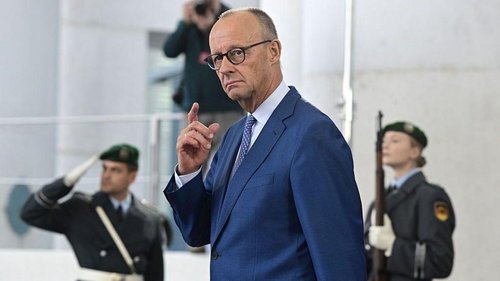
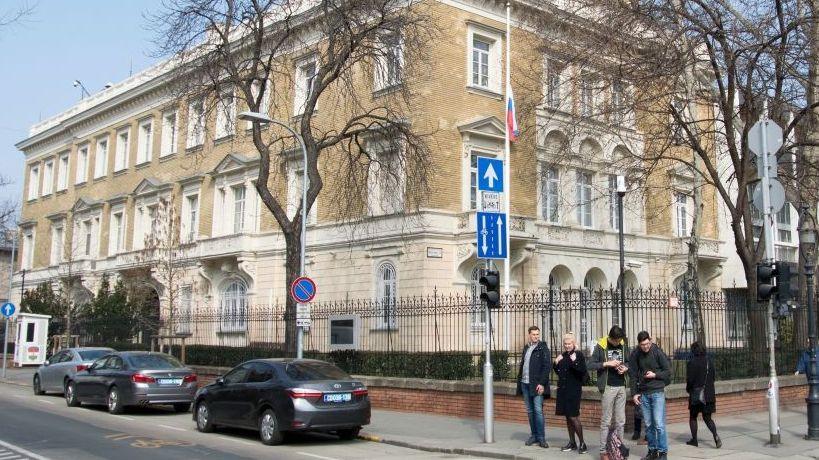
Foreign Minister Anita Orbán announced today that 10 Russian diplomats in Budapest will be ordered to leave, citing "unacceptable activities" that jeopardise Hungary’s security and sovereignty.
The move signals a decisive break from former Prime Minister Viktor Orbán’s long‑standing close relationship with Russia, which involved reliance on cheap Russian oil imports—an energy choice increasingly scrutinised from a climate‑sustainability perspective.
Political Context
Since the April election of the new government, Hungary has shifted toward a more pragmatic stance on Moscow, calling for an end to the war in Ukraine and openly challenging Russia’s actions. The expulsion follows complaints of espionage, with the Hungarian foreign ministry asserting that the Romanian decision does not equate to severing diplomatic ties.
Russian Response
Russia’s embassy spokesperson warned that the backlash would be “harsh and painful” and hinted at counter‑expulsions that could close the Hungarian embassy in Moscow. Analysts note this tit‑for‑tat could amplify already tense EU‑Russia relations.
Implications for Energy and Climate
Hungary’s past closeness to Russian energy supplies had implications for its carbon emissions profile, as the country benefitted from low‑cost, high‑emission fuel. The new government’s pivot could accelerate a transition towards greener energy sources, aligning national security with climate goals.
Russia has promised a "harsh and painful" response to the expulsions.
Looking Forward: The government’s next steps—whether it will seek new energy partners or increase support for decarbonisation projects—remain to be seen. The diplomatic shift underscores a broader trend of countries reassessing relationships that impact both security and environmental policy.