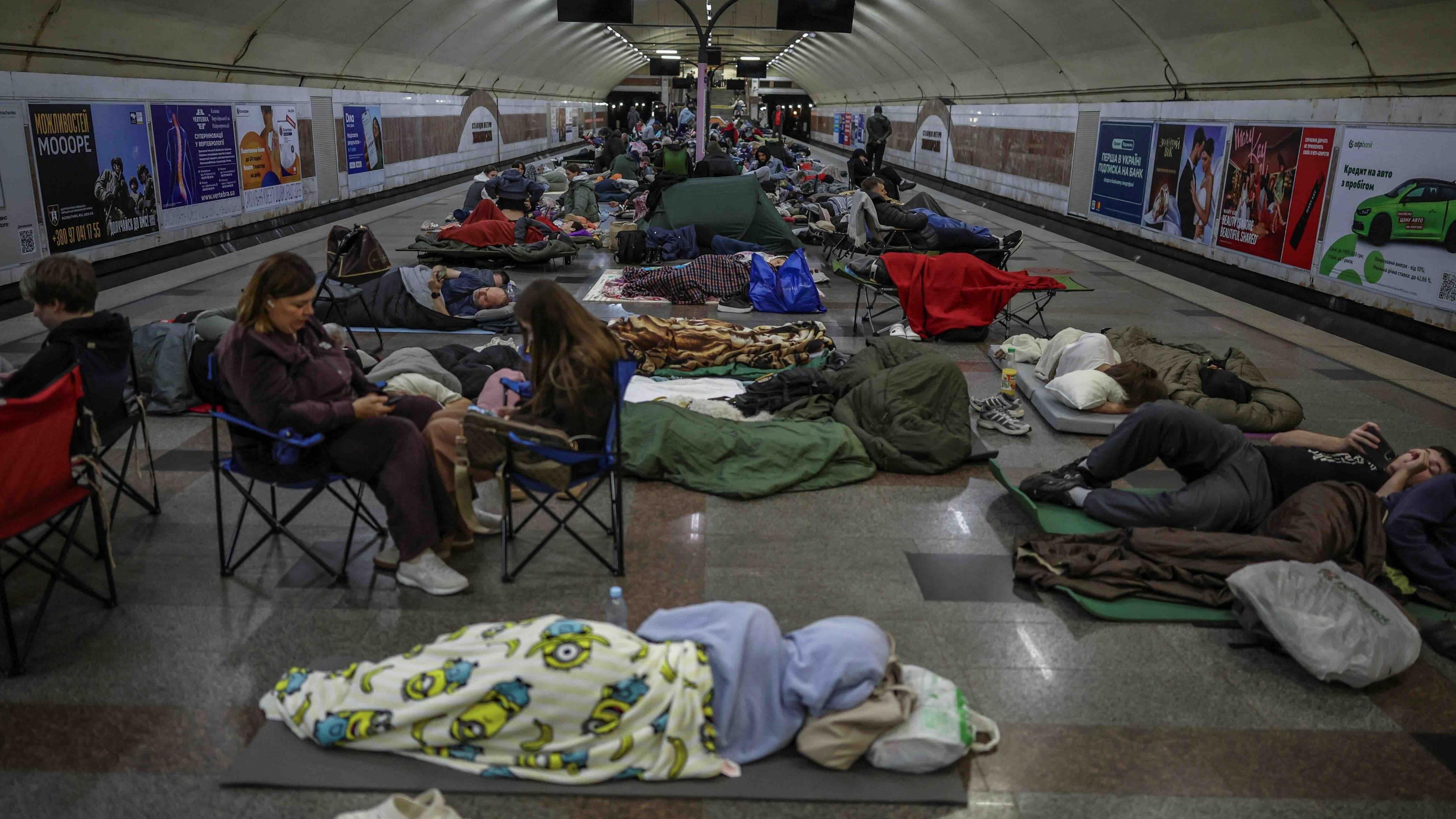
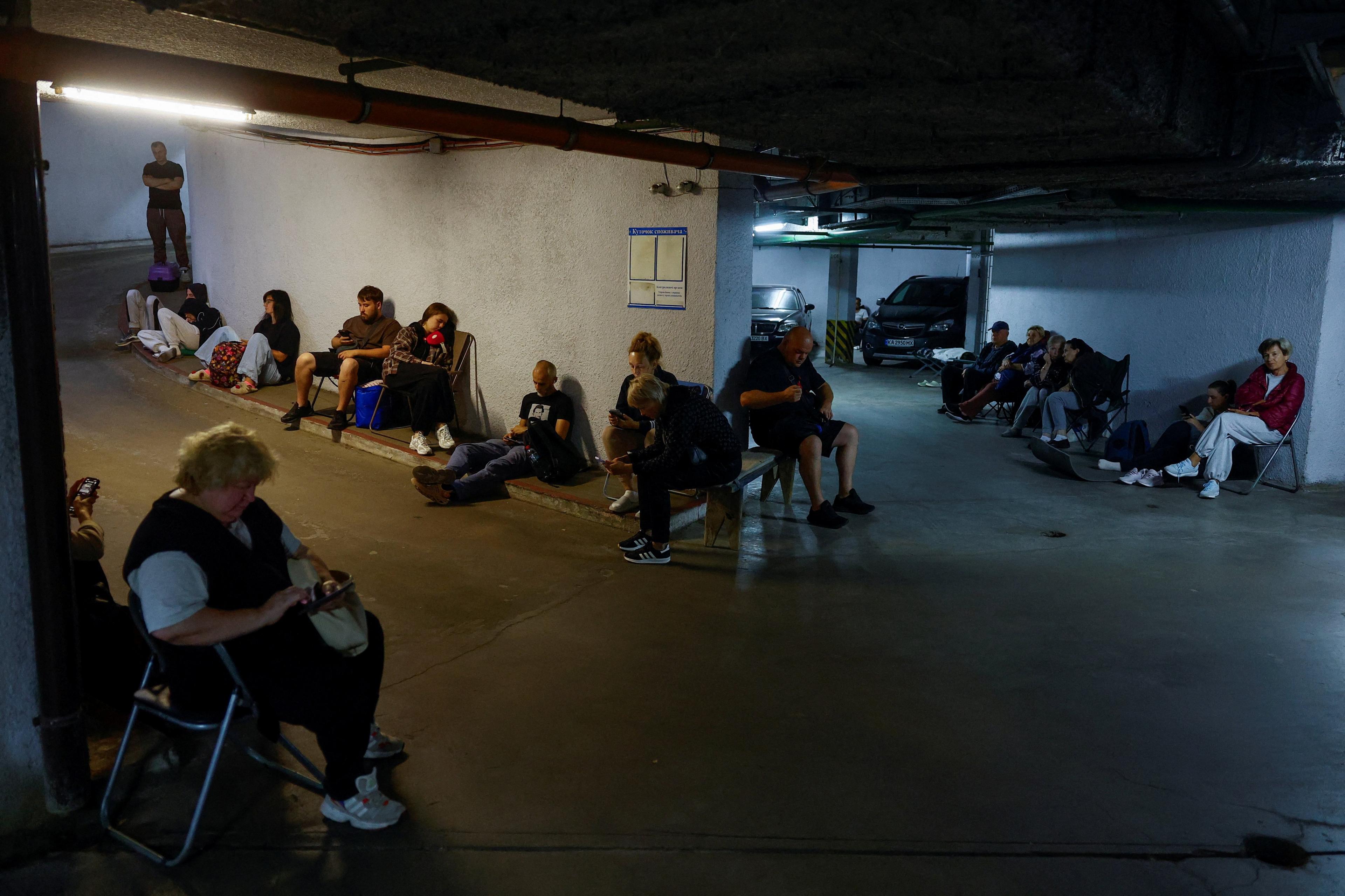
Ukraine is reportedly facing its toughest winter since the full-scale Russian invasion began in 2022, according to UN Development Programme head Alexander De Croo. He warned that a humanitarian catastrophe could arise if Russian air attacks cut off power and water during the cold season, where temperatures can plummet to ‑20 °C.
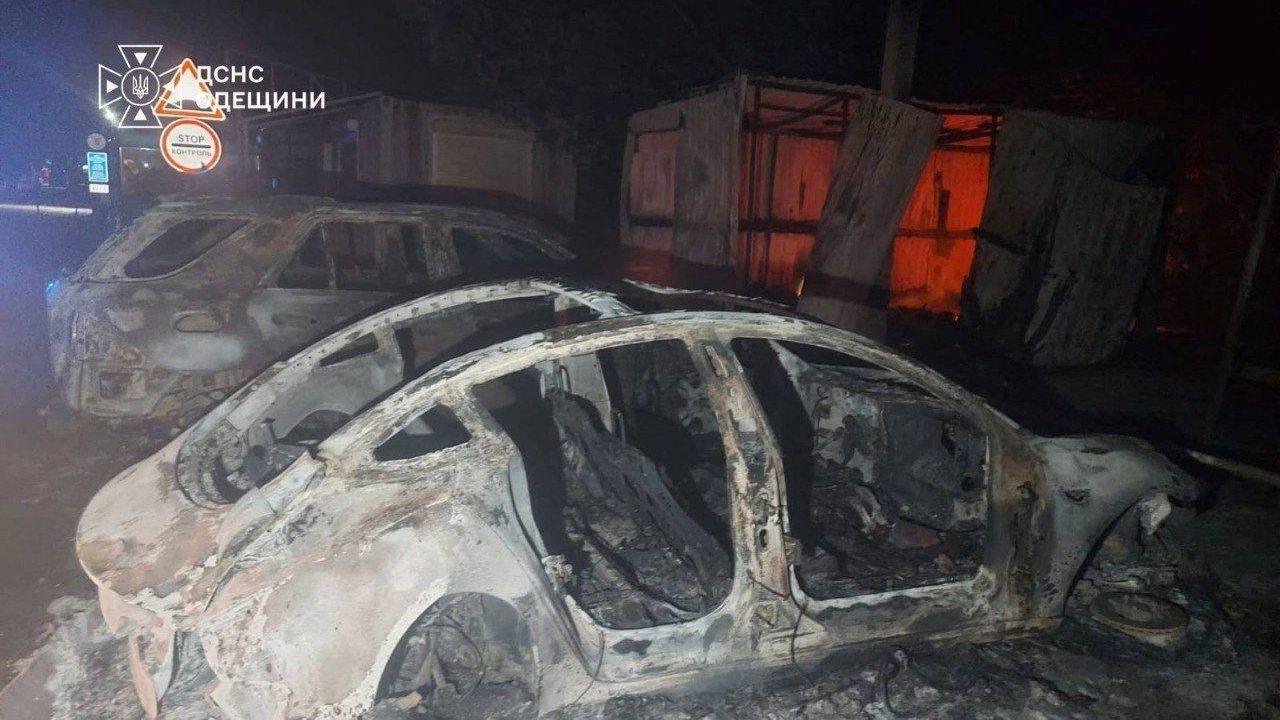
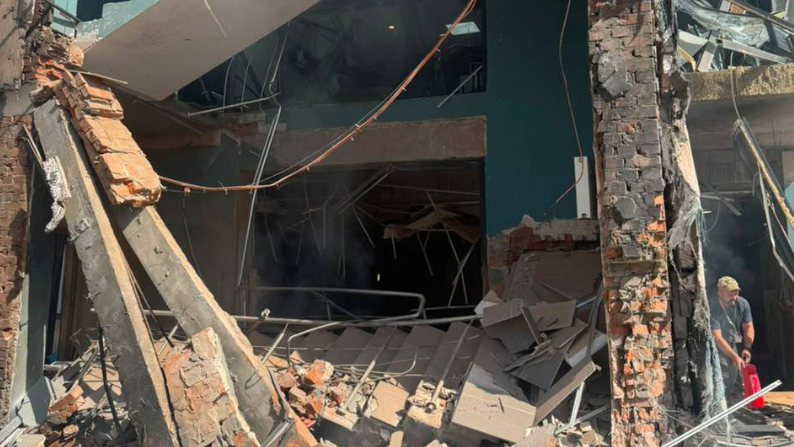
De Croo criticised Russia’s “very systematic” targeting of civilian and energy infrastructure, citing attacks on petrol stations, shopping malls and, most critically, energy transmission lines. He added that the country starts the winter with a “very weak base” and that the UN is deeply concerned about potential severe disruptions to heating, water and sewage systems.
In response, the UNDP is accelerating the repair of key sections of Ukraine’s power network that sustained damage last winter. The effort also includes establishing more sustainable, decentralised energy plants that are less vulnerable to air strikes. “Reconstructing these sites under constant air alarms is almost an impossible task,” De Croo said, describing the dangerous nature of the work.
Russia’s strategy has evolved to use faster, jet‑powered drones that can evade existing air‑defences. These drones have directed attacks on Ukrainian infrastructure, from commercial assets to utility facilities, while Ukraine retaliates by launching drone strikes into Russian territory. Both sides deny deliberate targeting of civilians.
With the UNDP effort underway and emergency response teams mobilised, Ukraine hopes to maintain essential services through the winter. Yet the looming threat of continued attacks may still transform this cold season into a humanitarian crisis.