An early flood warning system designed to save the lives of thousands of people in the Everest region may no longer be working, Nepalese officials have admitted to the BBC, after it was allowed to fall into a state of disrepair.
The disclosure came after villagers in the local Sherpa communities told the BBC no inspection of the UN-supported project had been carried out for many years after the dangerous Imja glacial lake was last drained in 2016.
Since then, no maintenance has been undertaken, which means siren towers have been left to rust, while some have even had their batteries stolen, according to locals.
On top of this, the satellite data reception transmitting the lake's water level - which can then be used to send out mobile phone alerts to locals - has been unreliable, officials at Nepal's department of hydrology and meteorology (DHM) told the BBC.
The Imja lake, which sits at a little over 5,000m (16,400ft) above sea level, has not burst since it was drained a decade ago - at which point, it was almost 150m deep in places.
Back then, the depth of the lake was reduced by about 3.5m as part of a $3.5m risk reduction project, which included the early warning system.
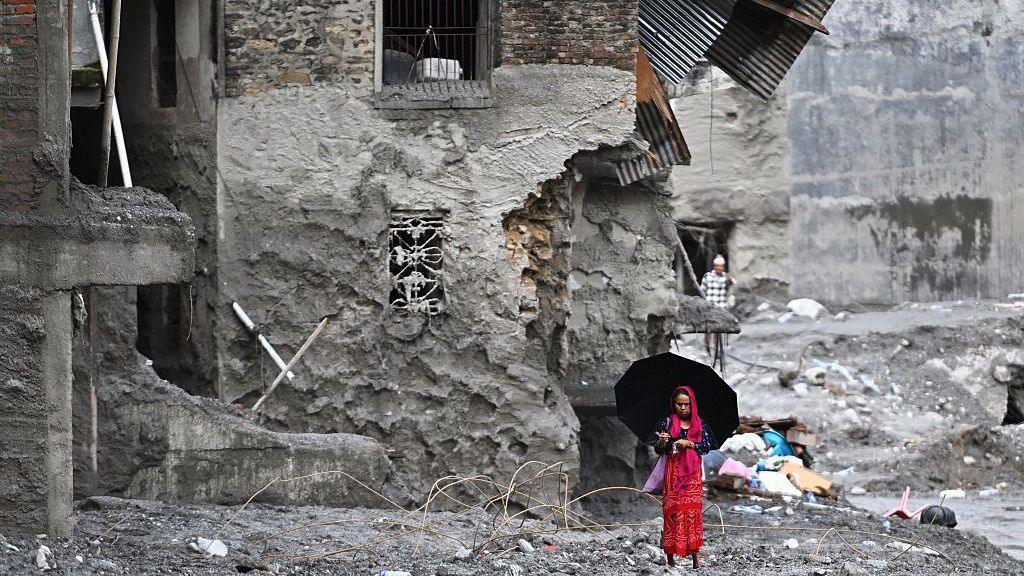
But scientists warn global warming-induced fast melting glaciers are causing many Himalayan glacial lakes to expand dangerously - meaning they can then burst out and sweep away downstream settlements, trekking routes, and bridges.
Ice loss rates have doubled in the Hindu Kush Himalaya region since 2000, according to a recent assessment by the Kathmandu-based International Centre for Integrated Mountain Development.
Experts say rising temperatures have also left mountains less stable, unleashing rockfalls and glacial collapse - sometimes triggering catastrophic floods.
In the Everest region alone, there have been at least five floods from glacial lakes in the last five decades, leaving those living in Imja lake's path fearing for the future.
When the project was commissioned, locals were promised annual inspections of the siren system by officials, but they have not seen anyone since.
Local leaders express frustration over the lack of response from the DHM despite their appeals for repairs. As spring approaches, thousands of tourists visit the area, exacerbating the risk factors.
The failure to maintain the early warning system leaves not only local populations in danger but also the influx of trekkers who travel through these potentially hazardous regions.
Despite acknowledging the risks and failures to address them adequately, officials have insufficient funding to rectify the situation effectively.
Members of the Sherpa community feel abandoned, noting the cost of precautionary measures was enormous, but the safety promised has turned out to be an illusion.