In brief
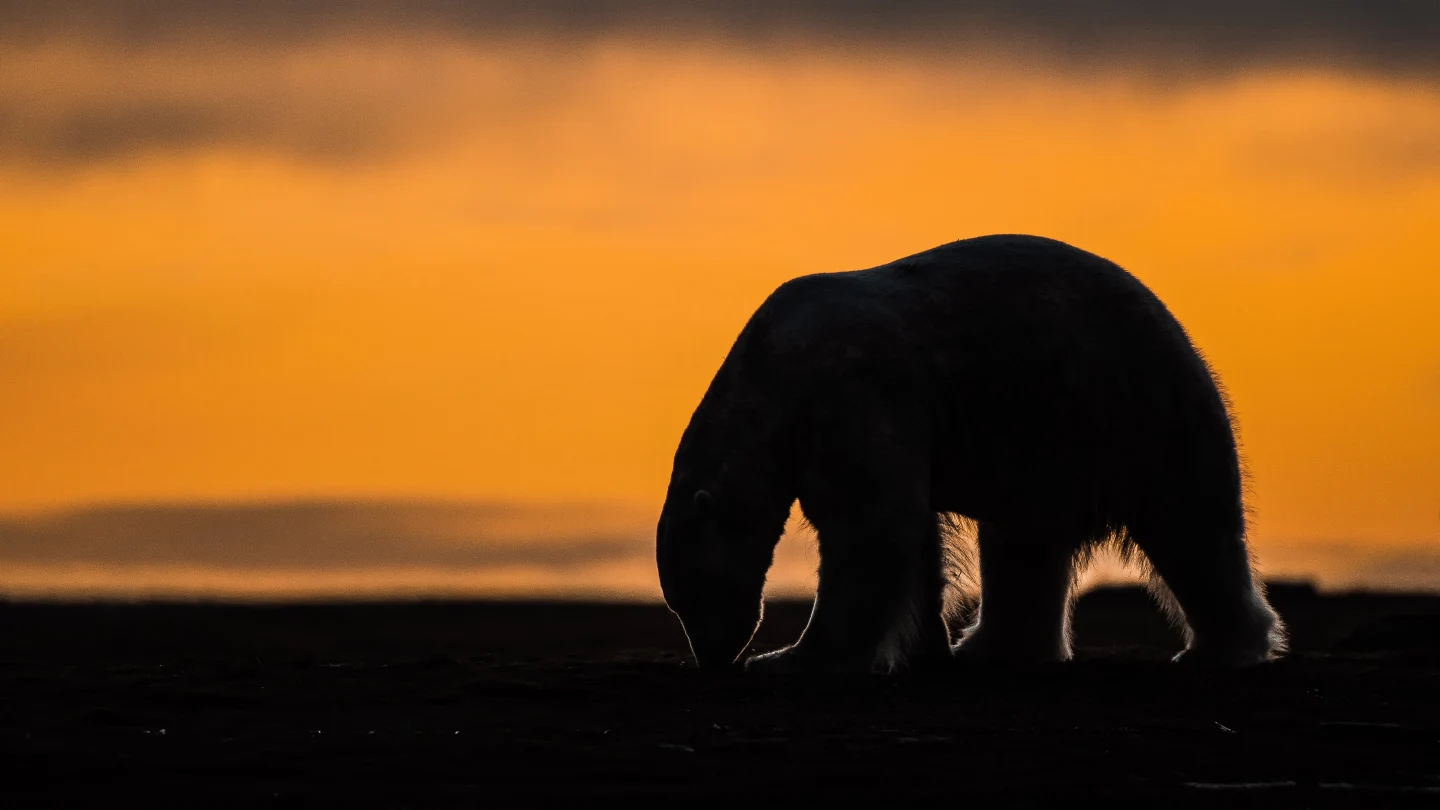
Every summer, polar bears flock to Kaktovik, Alaska, to feast on whale carcasses as they await the freezing of the sea. After a pause in tourism during the pandemic, local leaders are planning to revive polar bear tourism with stringent regulations in place to protect both the bears and the local community. The initiative is aimed at restoring the local economy while promoting eco-conscious tourism, emphasizing visitor education about indigenous culture and wildlife preservation.
Every summer, the tiny Native village of Kaktovik, placed ambitively near the Arctic Circle, turns into a vantage point for visitors hoping to witness polar bears indulging in whale carcasses left by local hunters. This seasonal migration draws tourists eager to see these majestic creatures before climate change alters their habitat forever.
However, the pandemic and federal regulations limiting boat tours significantly affected Kaktovik's burgeoning polar bear tourism, which had become a vital source of income for the locality. Community leaders are now focused on reinvigorating this tourism sector with new measures aimed at safeguarding community values and the polar bears themselves.
Charles Lampe, president of the Kaktovik Inupiat Corporation, acknowledges the potential economic benefits of such tourism but insists that the old ways of operating are incompatible with their current mission of preservation and education. Kaktovik was once inundated with tourists, leading to strains on local resources and cultural invasions. The proposed new protocols may include restrictions on how long boats can idle near the bears, as prolonged interaction may undermine these animals' natural wariness of humans.
In a concerted effort to balance economic needs with ecological sustainability, Kaktovik is now working with the U.S. Fish and Wildlife Service, aiming to create a model of tourism that not only prioritizes the bears' well-being but also respects the local community's way of life.
This community-driven approach also emphasizes not just passive observation but interactive experiences that educate tourists about Alaska Native culture and environmental stewardship—painting a holistic narrative of what it means to experience the Arctic responsibly.
As the prospect of reopening becomes more realistic, the Kaktovik community hopes to turn this renewed interest in bear tourism into a narrative of hope, resilience, and coexistence amid the changing climate.