In brief
Rising temperatures in Iowa are causing unprecedented nitrate pollution in drinking water, pushing the city of Des Moines to incur high daily costs to filter unsafe levels. Experts warn that this issue, exacerbated by climate change, will challenge both agricultural practices and community health, particularly in low-income areas. With the potential for more winter nitrate events, authorities are scrambling to devise effective solutions to this growing crisis.
The Iowa capital of Des Moines faces a costly water quality dilemma due to increasing nitrate levels in its drinking water. Reportedly, this pollution phenomenon costs the city about $16,000 daily as they resort to special filtration systems whenever pollution peaks in the water sources used for drinking.
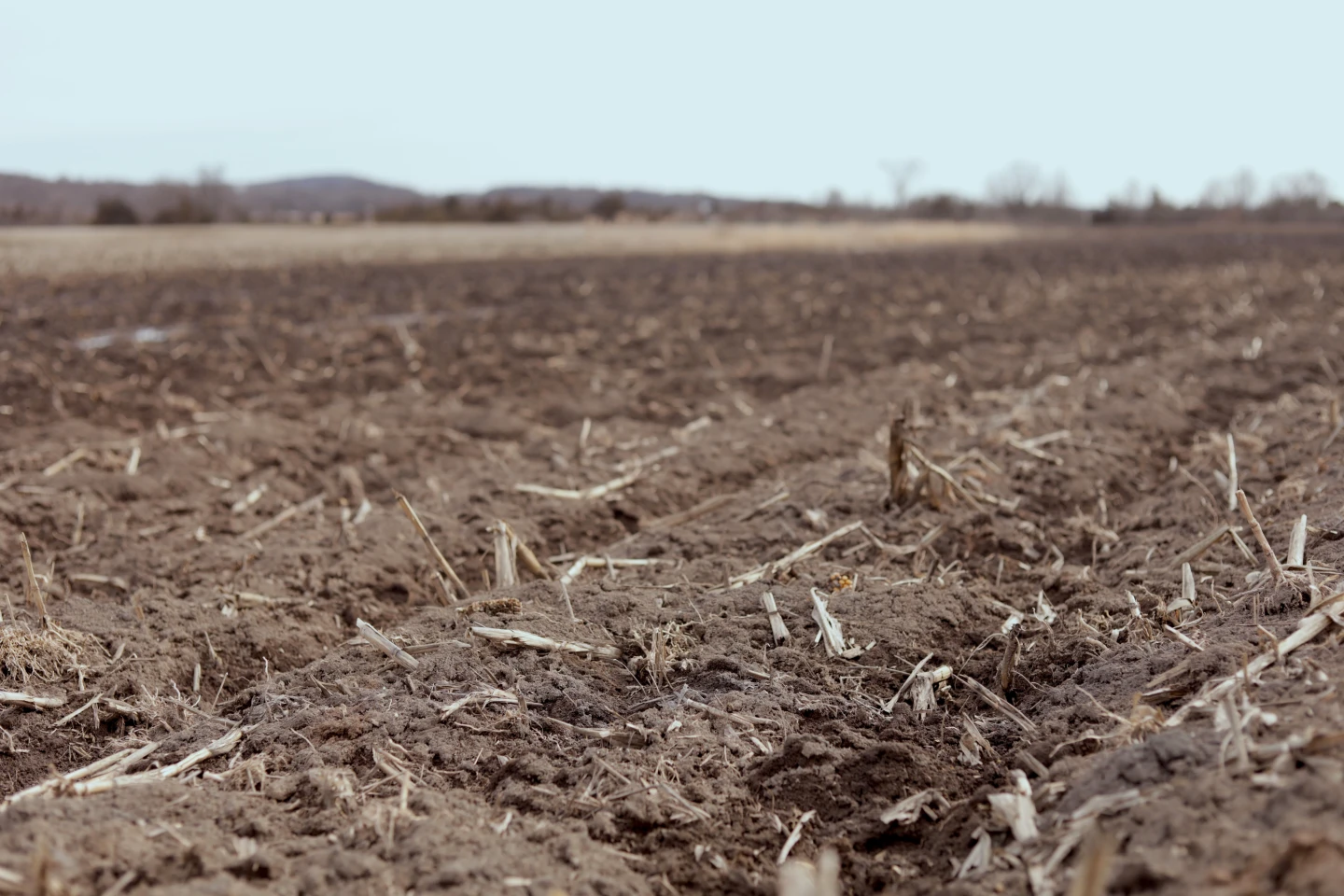
The state, heavily dependent on agriculture, primarily grapples with nitrates originating from fertilizers and pesticides. Notably, the situation worsened this winter, with January and February seeing water filtering practices that are rare, only occurring twice in over thirty years. Experts attribute these instances to changing winter conditions catalyzed by climate change.
The Cost of Nitrate Pollution
Justin Glisan, Iowa's state climatologist, suggests that with warming winters, nitrate pollution events may become more frequent, posing additional risks to already vulnerable waterways across the Midwest. This surge in pollution has serious implications for local residents particularly in impoverished and rural areas where water filtration infrastructure is inadequate.
Infrastructure inadequacies compound the problem, as about 15% of the U.S. relies on private wells, susceptible to nitrate seepage. With regular and effective testing and filtering of well water costing families hundreds yearly, the financial burden weighs heavily on those least able to afford it. Small communities too find themselves at a crossroads, often facing costly choices without sufficient treatment options for nitrates at their water facilities.
Weather Patterns and Chemical Runoff
Clusters of extreme weather, ranging from droughts to heavy rainfalls, have been linked to ongoing climate shifts. This variability not only brings about unintended nitrogen runoff but further complicates agricultural sustainability in the heart of the U.S. While there are calls to regulate farm chemicals, resistance from influential agricultural lobbyists often hinders the introduction of progressive mandates aimed at preserving water quality.
State Actions and Future Considerations
Des Moines Water Works leaders plan for increased nutrient pollution resilience but highlight that upstream polluters must adjust their practices. As Amy Kahler, the facility's CEO notes, the future hinges on either responsible land management or substantial financial commitments for treatment solutions.
Looking ahead, as scientists attempt to better understand the relationship between climate change, agricultural runoff, and pollutant migration, it remains clear that proactive measures and community-focused strategies will be critical in addressing these pressing environmental challenges.