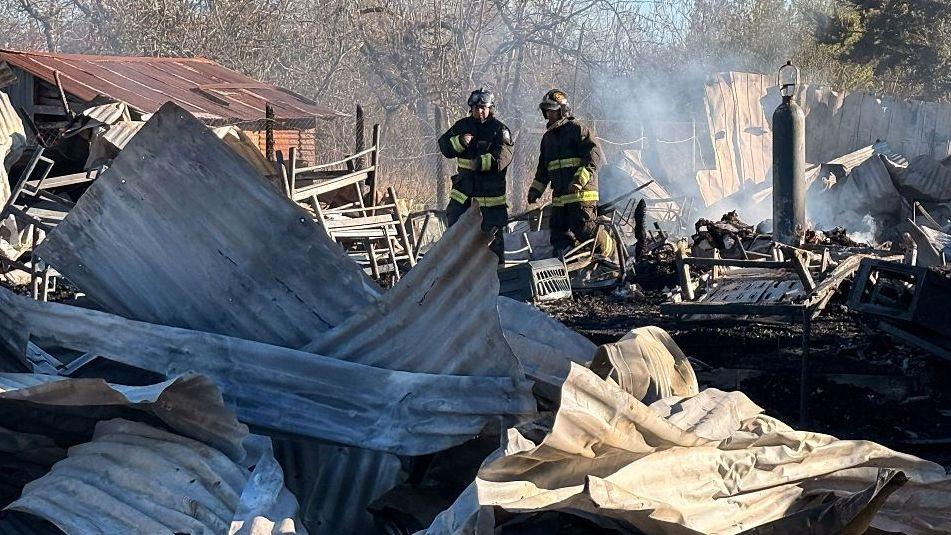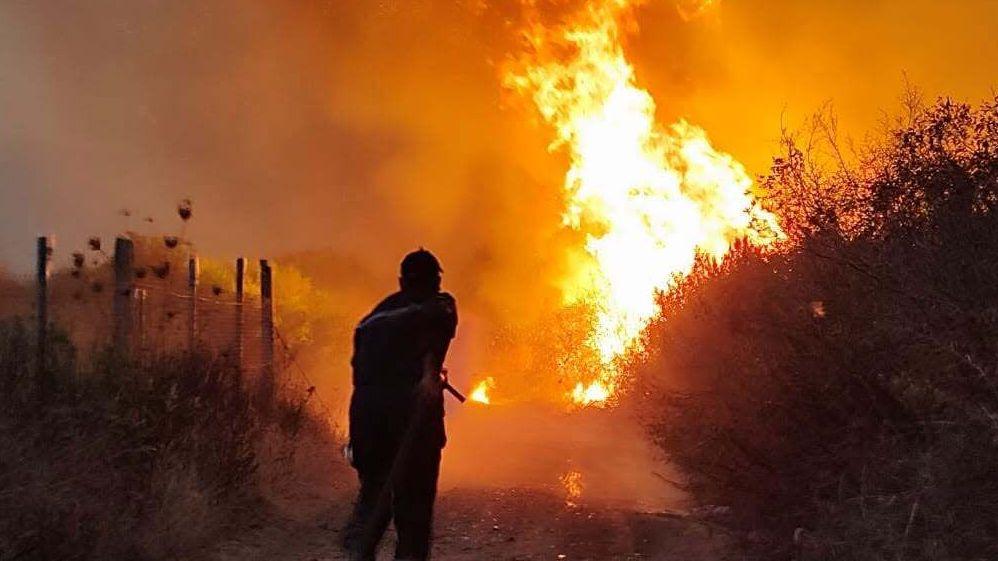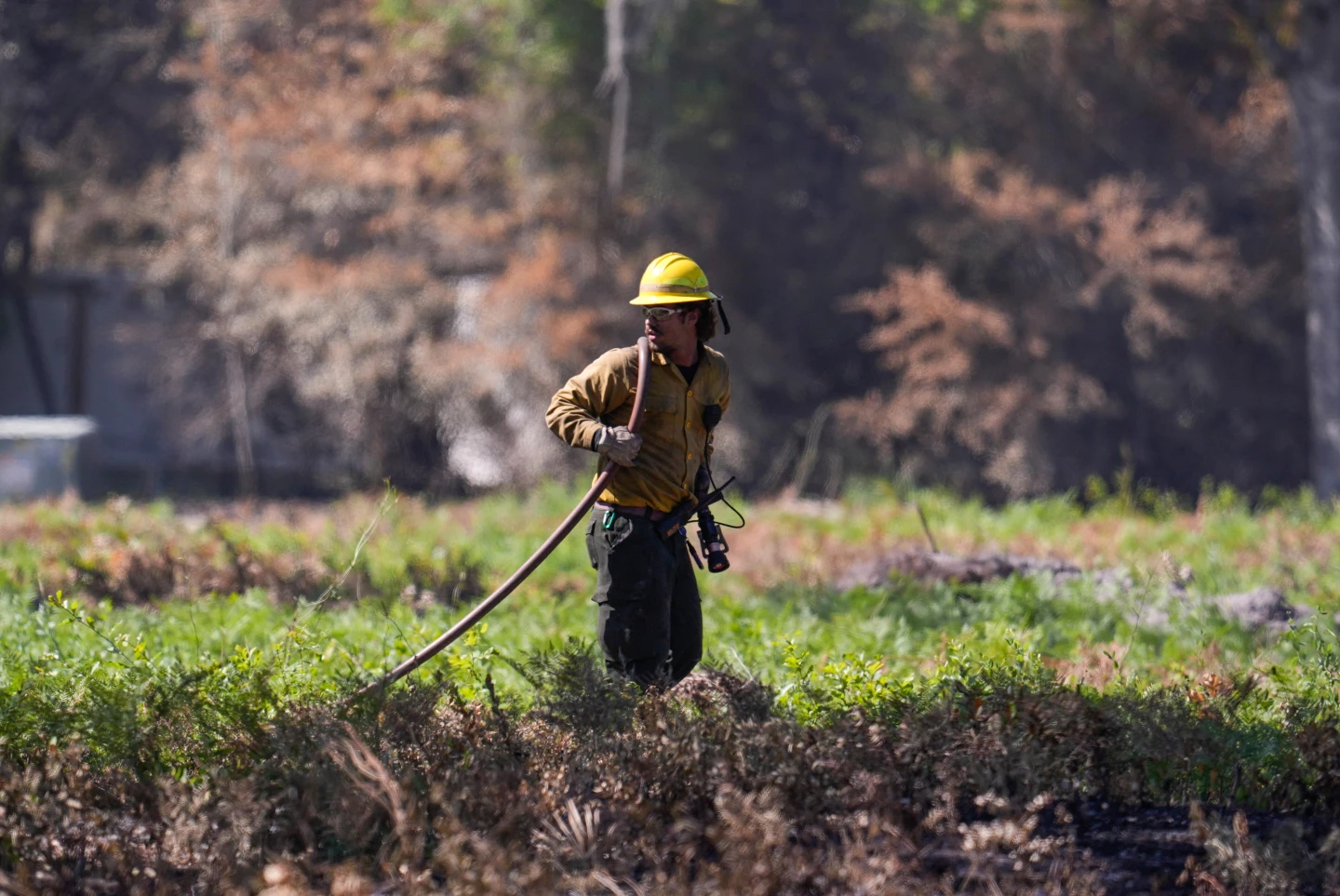
NAHUNTA, Ga. — A wildfire that has ravaged communities in southeast Georgia has led officials to issue further evacuations as the fire spirals out of control. The blaze has devastated over 90 homes, leaving behind charred remnants and disrupted lives.
The fire in Brantley County has rapidly extended beyond 8 square miles since it was ignited earlier in the week. Local officials have indicated that weather conditions, particularly strong winds, have contributed significantly to the expansion of the fire, complicating firefighting efforts.
The Georgia Forestry Commission has reported the fire is currently only 15% contained, prompting continuous evacuation orders for affected residents. County manager Joey Cason urged residents to leave swiftly upon receiving notices, underscoring that containment can diminish dramatically in a short span due to changing conditions.
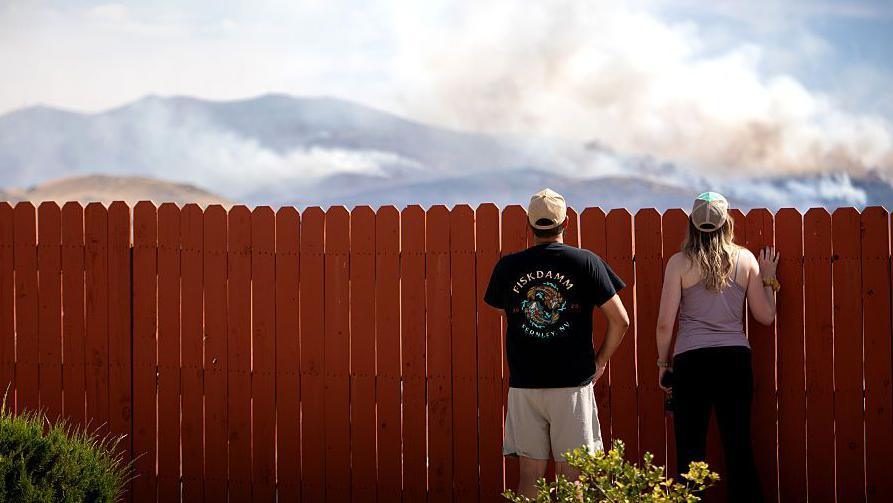
Firefighters across Georgia and into Florida are contending with more than 150 wildfires, with smoke creating serious air quality issues in multiple municipalities.
Scientists attribute the alarming surge in wildfires in the Eastern United States to climate change, prolonged drought conditions, and remnants of dead trees from Hurricane Helene that continue to pose a threat in many Southern forests.
Evacuation orders have impacted approximately 200 residents in Brantley County, leaving many concerned for pets and property. Thankfully, there have been no reported injuries or fatalities to date.
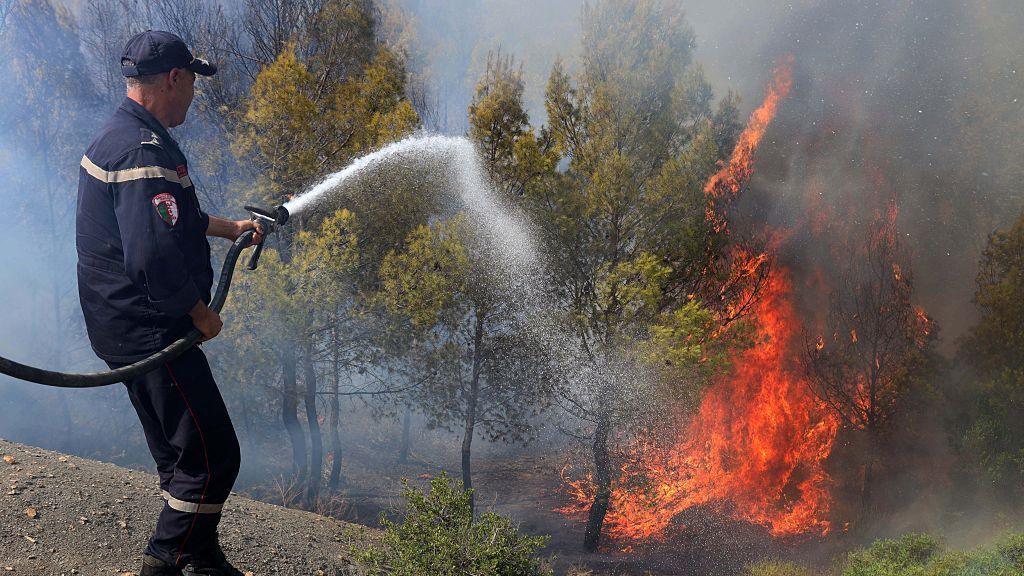
While bulldozer crews are establishing fire breaks to mitigate further spread, the efforts of local fire departments aim primarily at saving homes through preventive measures such as wetting down lawns and clearing dry foliage.
“We’ve had local crews working diligently to protect homes by hosing them down and rolling out sprinkler systems,” said Seth Hawkins, a spokesperson for the Georgia Forestry Commission.
Meanwhile, a significant blaze west near the Florida border has consumed around 50 square miles of land, challenging resources for firefighting efforts in both states. Reports indicate that, while the weather forecast includes potential thunderstorms, significant rainfall is needed to meaningfully extinguish the raging fires.
Such storms could assist by slowing the fire's advance and alleviating some of the tension for local residents, although experts caution against the dangers of lightning, which might ignite new fires.
The community remains on edge as firefighters and local authorities continue to face the overwhelming challenges posed by this wildfire.