In brief
Recent legal changes in Argentina threaten the protection of glaciers, a crucial water source for millions and essential for industries like winemaking. As provinces gain more control over the classification and protection of these vital resources, a public outcry ensues, highlighting the stark implications for water access and environmental sustainability.
'Every drop of water counts': Fear for the future of Argentina's glaciers
Without water, there would be no wine, says Virginia de Valle, showcasing her family's vineyard nestled in Mendoza, beneath the Andes mountains. Winemakers like de Valle depend on fresh water from these mountains, a resource now threatened by recent government reforms loosening protection on glaciers.
Mendoza is the daughter of water, de Valle explains, highlighting how the Andes' snow and glaciers are vital for irrigation and drinking water. Glaciers provide an essential buffer during droughts, increasingly common in this semi-arid province, ensuring agricultural stability.
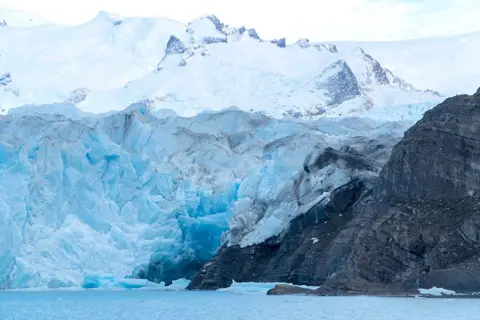
With 16,968 glaciers across Argentina serving 36 river basins, the dilemma extends beyond Mendoza, affecting seven million people nationwide. Critics of the reforms, which shift glacier protection authority to provincial governments, argue this could jeopardize these crucial water sources.
How has the glacier law changed?
Argentina previously led the world by instituting a law to protect its glaciers, enacted in 2010 to safeguard these vital water reserves from damaging commercial activities. This law also included the periglacial environment, encompassing water trapped in frozen soil.
The recent legislative changes allow provinces to determine the strategic importance of glaciers, risking removal from national inventories and subsequently the loss of protective measures. Proponents point to potential economic growth through mining, while opponents warn of devastating impacts on the water supply for millions.
'Hands off the glaciers'
From Mendoza to Patagonia, public sentiment against modifying glacier protections is evident, with over 100,000 voices expressing their opposition in a recent public hearing. Environmentalists assert that these reforms threaten sustainability at the expense of economic gain.
An economic opportunity?
President Javier Milei views the Andes as pivotal for attracting investment in mining, presenting a stark contrast to arguments that prioritize ecological preservation. Critics argue that prioritizing mining over water security poses risks to local ecosystems and communities, especially in thirsty regions.
'False arguments'
Disputes over the rationale for the law changes have emerged, with scientists emphasizing that all glaciers contribute to local rivers. Nonetheless, proponents argue provinces are best positioned to manage their glacier-related resources. The debate underscores the tension between economic ambitions and environmental stewardship.
Virginia de Valle sums up the gravity of the situation succinctly: It will affect wineries, but first, it will affect life.