An early flood warning system designed to save the lives of thousands of people in the Everest region may no longer be operational, according to Nepalese officials, after it was allowed to fall into a state of disrepair.
The alarming admission follows reports from local Sherpa communities indicating that the UN-supported project has not undergone inspection in years, particularly since the dangerous Imja glacial lake was drained in 2016.
Since that time, crucial maintenance has been absent, leaving siren towers to rust and some even losing their batteries, as reported by locals.
Additionally, the satellite data systems intended to monitor the lake's water levels, which are critical for issuing mobile alerts, have proven unreliable, as confirmed by officials from Nepal's Department of Hydrology and Meteorology (DHM).
The Imja lake, situated at over 5,000 meters (16,400 feet) above sea level, has not burst since its depth was significantly reduced as part of a $3.5 million risk reduction initiative. However, experts caution that climate change-induced rapid glacial melting is expanding numerous Himalayan glacial lakes dangerously, putting downstream settlements and infrastructure at risk.
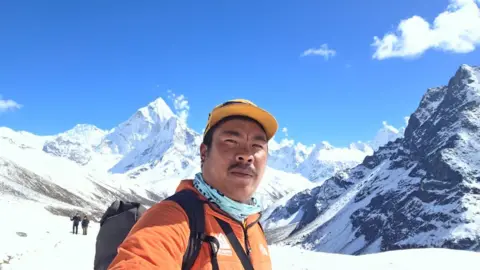
Local leaders voice their concerns that current conditions of the warning system will leave them unprepared in the event of a catastrophic flood. Going by the state of the siren towers, we don't expect to get any flood warning from them even when Imja lake bursts, said Ang Nuru Sherpa, the chairman of a local buffer zone committee.
Despite awareness of these risks, officials acknowledge a lack of funding from the central government to maintain the system, as they continue to grapple with the challenges posed by climate change and operational funding.
Controversially, while the Imja lake hazard remains a focus, officials have redirected resources to upgrade flood warning systems for other glacial lakes, raising questions about prioritization of resources that could better protect current at-risk communities.
UNDP has recently secured a $36 million grant for similar projects at other locations but emphasizes that lessons from the Imja situation have informed better design practices, aiming for more sustainable outcomes in the future.
As local villagers in the Khumbu region express frustration over their unaddressed safety concerns, they continue to live under the shadow of potential disaster.