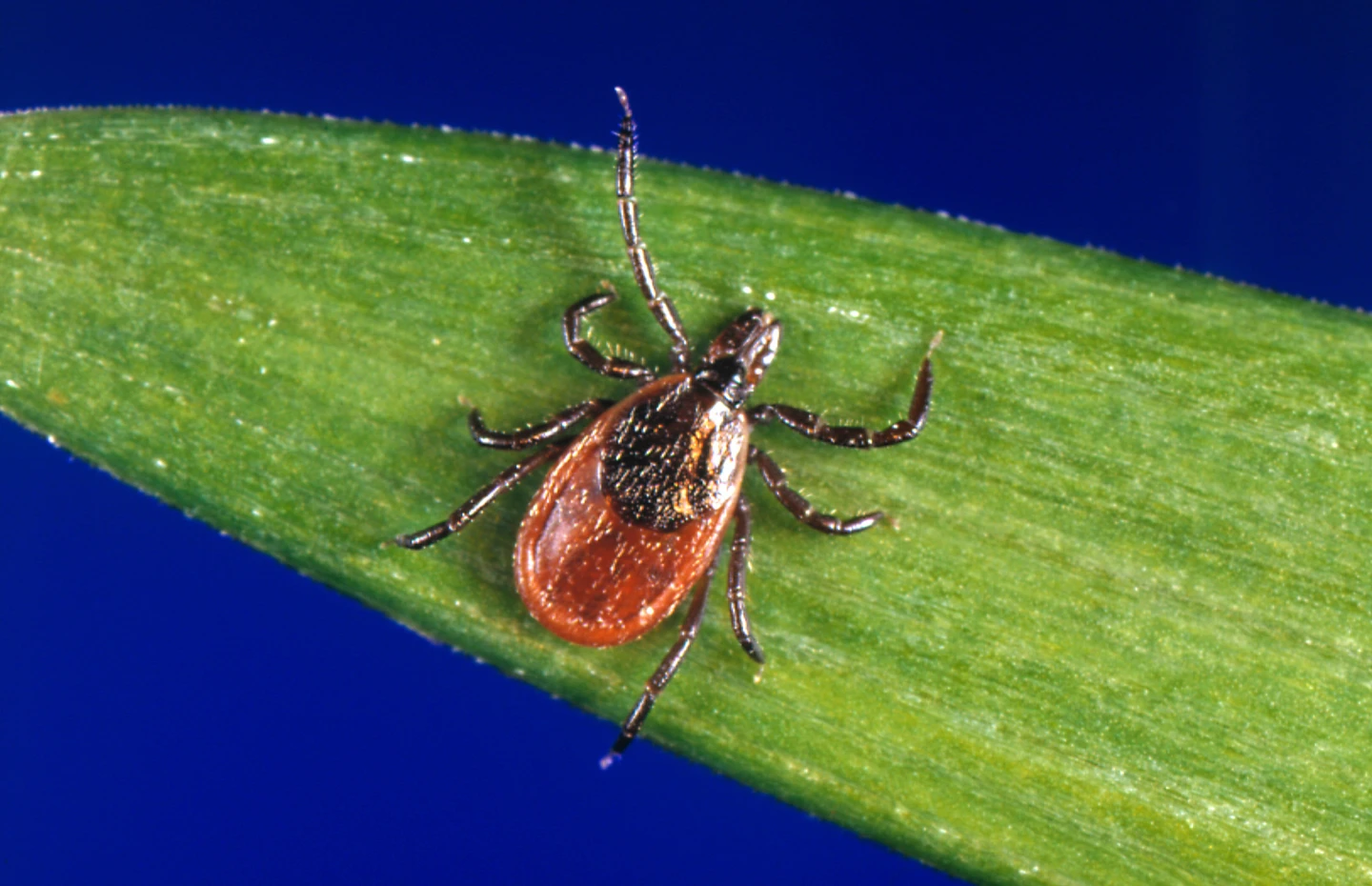
NEW YORK — Tick season seems to be off to a rapid start this year, with reports of tick bites surging nationwide.
Health authorities are increasingly alarmed as they anticipate a challenging year for tick-borne diseases. Dr. Alina Filozov, an infectious disease specialist in Connecticut, highlights that the number of tick-related infections could rise if exposure increases.
This week, the Centers for Disease Control and Prevention (CDC) issued an early warning advising the public to take precautions against ticks. According to Alison Hinckley, a Lyme disease expert at the CDC, while tick bites typically peak in May, current data suggests immediate action is warranted.
Rising ER Visits Signal Concern
The CDC’s tracking system indicates that emergency room visits for tick bites are the highest at this time of year since 2017, except for the south-central U.S. Though around 85% of emergency departments participate in the tracking system, it does not account for those who do not seek medical help.
It will take months for researchers to conduct systematic tick sampling and determine actual changes in tick populations. Medical professionals also note that not all tick bites lead to infection, prolonging the timeframe to detect potential outbreaks of Lyme disease or other illnesses.
Understanding Tick-Borne Diseases
Ticks are arachnids that feed on the blood of animals and humans. Their populations are influenced by various factors, including climate change, as they thrive in warm, humid conditions. Increasing deer and mice populations contribute to the growing prevalence of ticks.
Ticks can carry germs responsible for diseases such as Lyme disease, Rocky Mountain spotted fever, and alpha-gal syndrome, which can cause red meat allergies. Lyme disease, in particular, affects approximately 476,000 people in the U.S. annually, usually treatable with antibiotics.
Connecticut Faces Major Tick Challenges
Connecticut is a notable hotspot for tick-borne diseases. Earlier this month, state officials reported residents were submitting an average of 30 ticks for testing each day, with 40% of those testing positive for Lyme disease.
Scott Williams, a tick researcher, explains that rising mouse populations in recent years have likely contributed to the expanding tick population, while wildlife biologist Megan Linske expects continued growth and spread of ticks.
Precautions to Reduce Tick Exposure
Experts recommend protective measures, especially in areas where ticks may be prevalent. These measures include walking in the center of paths, wearing light-colored clothing treated with insecticides, and utilizing EPA-registered repellents.
If a tick is found, experts advise immediate removal and monitoring any symptoms, such as rashes or prolonged attachment, that might necessitate medical attention.
As tick season unfolds, public awareness and preventive actions will be crucial in mitigating the risks associated with tick bites and diseases.