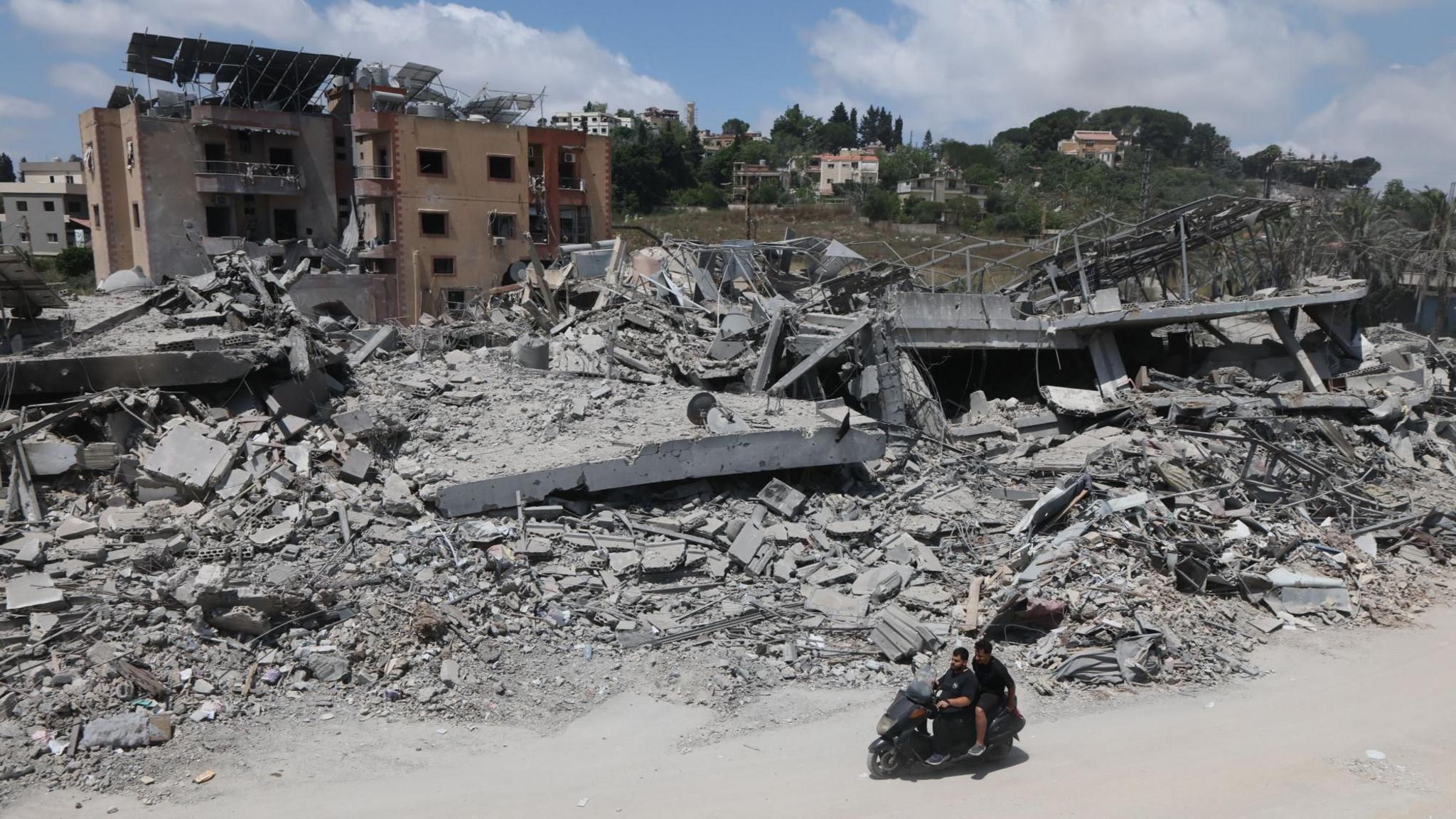
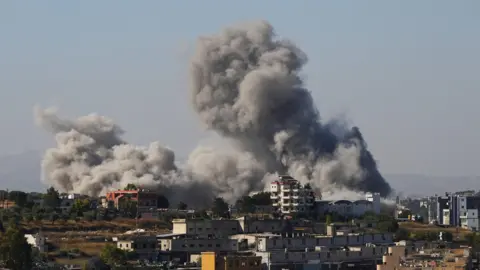
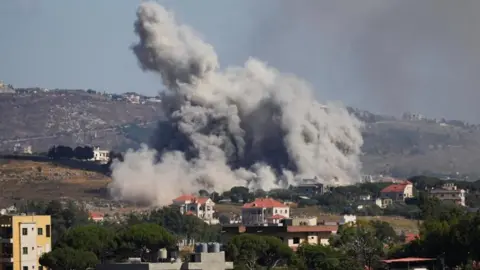
The BBC’s recently‑released footage provides a sombre glimpse into southern Lebanon’s war‑torn landscape, captured by journalists Hugo Bachega and Neha Sharma during a humanitarian convoy organised by the Order of Malta.
The convoy, arriving just before a fresh ceasefire was promised between Israel and Hezbollah, wound its way through villages that have long been isolated by the fighting. At each turn the camera witnesses an eerie tableau: whole neighbourhoods reduced to rubble, fields left scarred, and the cacophony of abandoned water‑lines and soil‑degraded terraces that were once part of a thriving agrarian economy.
Israel's defence ministry insists that its troops remain for the creation of a “security zone” that protects local populations from Hezbollah’s rocket attacks. Critics argue that sustained bombardments and forced demolition of villages are deliberate attempts to erase civilian infrastructure—activities that potentially qualify as war crimes under international law.
The environmental fallout is worsening. Cratered crop beds and blocked waterways increase the risk of salinisation, erosion and loss of biodiversity, all of which undermine the resilience of the region’s fragile ecosystems against climate change. Farmers report that even the most arid soils are now pulped, and that the damaged infrastructure will take decades to rehabilitate.
In light of these recent sights, the climate community is calling for international pressure not only on the parties to the conflict but also for robust, climate‑resilient reconstruction of the affected villages. Solar micro‑grids, drought‑tolerant crops, and community‑led planting initiatives are identified as essential measures to ensure that rebuilding efforts do not merely restore old landscapes, but fortify them against future environmental stresses.
The BBC remains committed to providing transparent, ground‑level reporting aimed at galvanising the global mobility, action and environmental discourse surrounding this crisis.