Myanmar’s civil war is reshaping its landscape, not only in battlefields but in ecosystems that once thrived in the jungle. Villages that were once serviced by small rivers are now shadowed by wide swaths of deforested land, and the timber that governments consider vital for economic development is being felled at a rate that leaves local flora, fauna, and carbon‑sequestering forests threatened.
Forced conscription by the army has drawn young men into the conflict, but these soldiers also witness the broader toll: mines littering fields, roads closed for good by exploding devices, and protest‑filled communities caught between supplies raided from China’s rare‑earth extraction. The landmine issue is a severe environmental hazard because it contaminates soil, reduces arable land, and jeopardises climate adjustment by limiting the capacity to grow climate‑buffer crops.
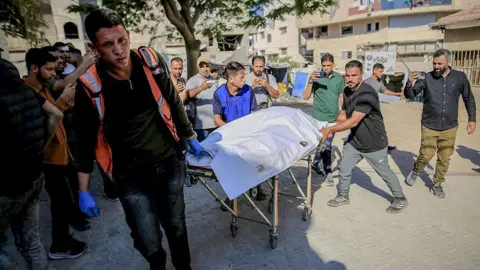
In the midst of loss, there are pockets of hope. A field hospital run by Dr Saung, tucked into bamboo huts, provides saved medical treatment powered by a solar‑powered operating theatre and a backup generator. Despite limited funding and shortages of medical supplies, the hospital sustains wounded rebels and keeps the energy usage low, showing how sustainable tech can survive even in conflict zones.
The conflict’s environmental impact has accelerated climate‑risk factors. Deforestation reduces carbon capture, destroys protective forest canopies that shield communities from extreme weather changes, and destabilises local hydrology. Meanwhile, mining exports have both drained mineral resources and contaminated waterways with heavy metals, making it difficult to meet the nation’s climate adaptation targets.
In a world where war and climate are sown together, the situation in Myanmar demonstrates that sustaining human societies requires protecting ecological assets. The resilience of the local populations, the resourcefulness about using solar power, and the continued optimism of young fighters underline a drive toward sustainable solutions, albeit under threat from continuous political aggression.