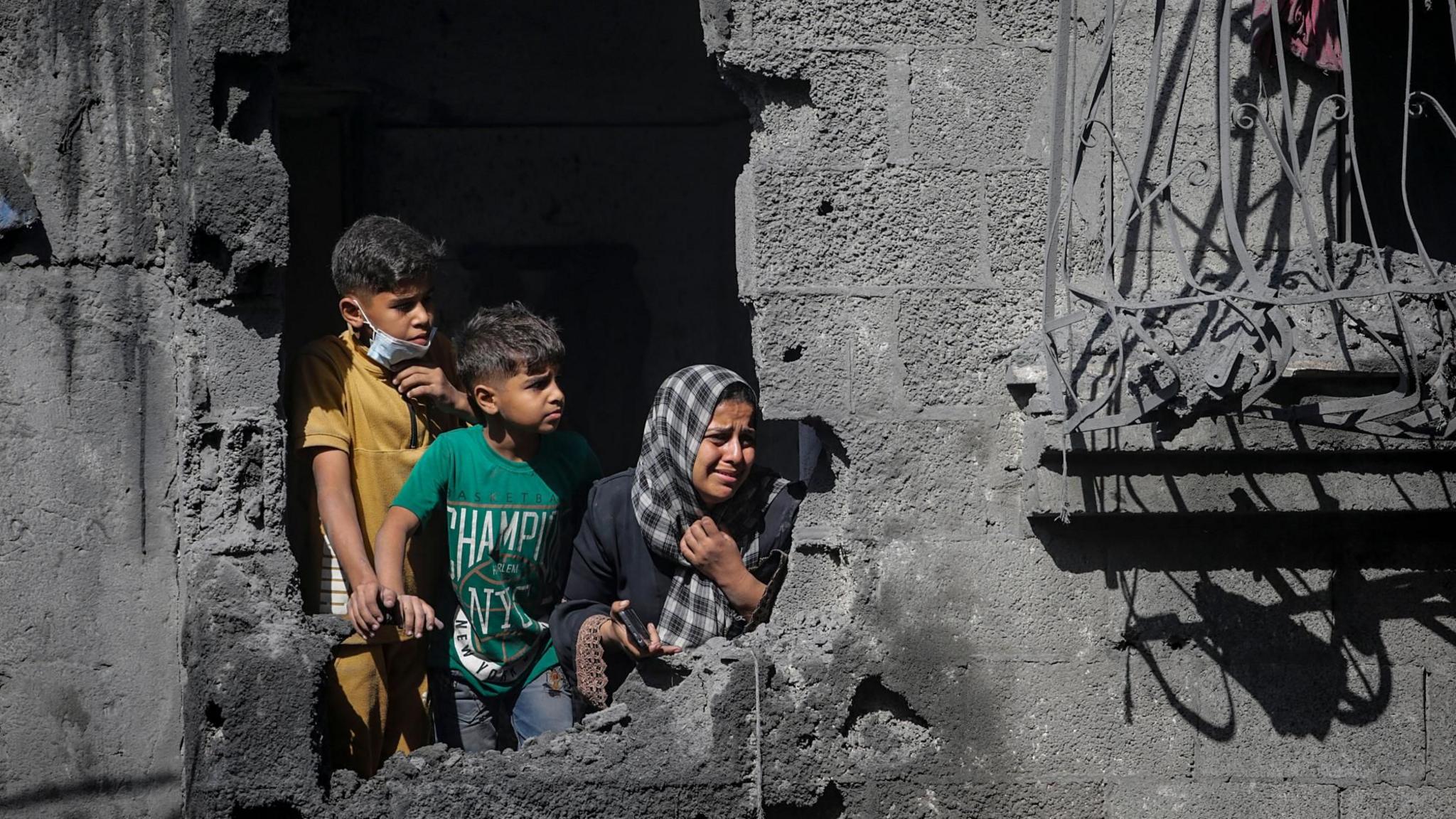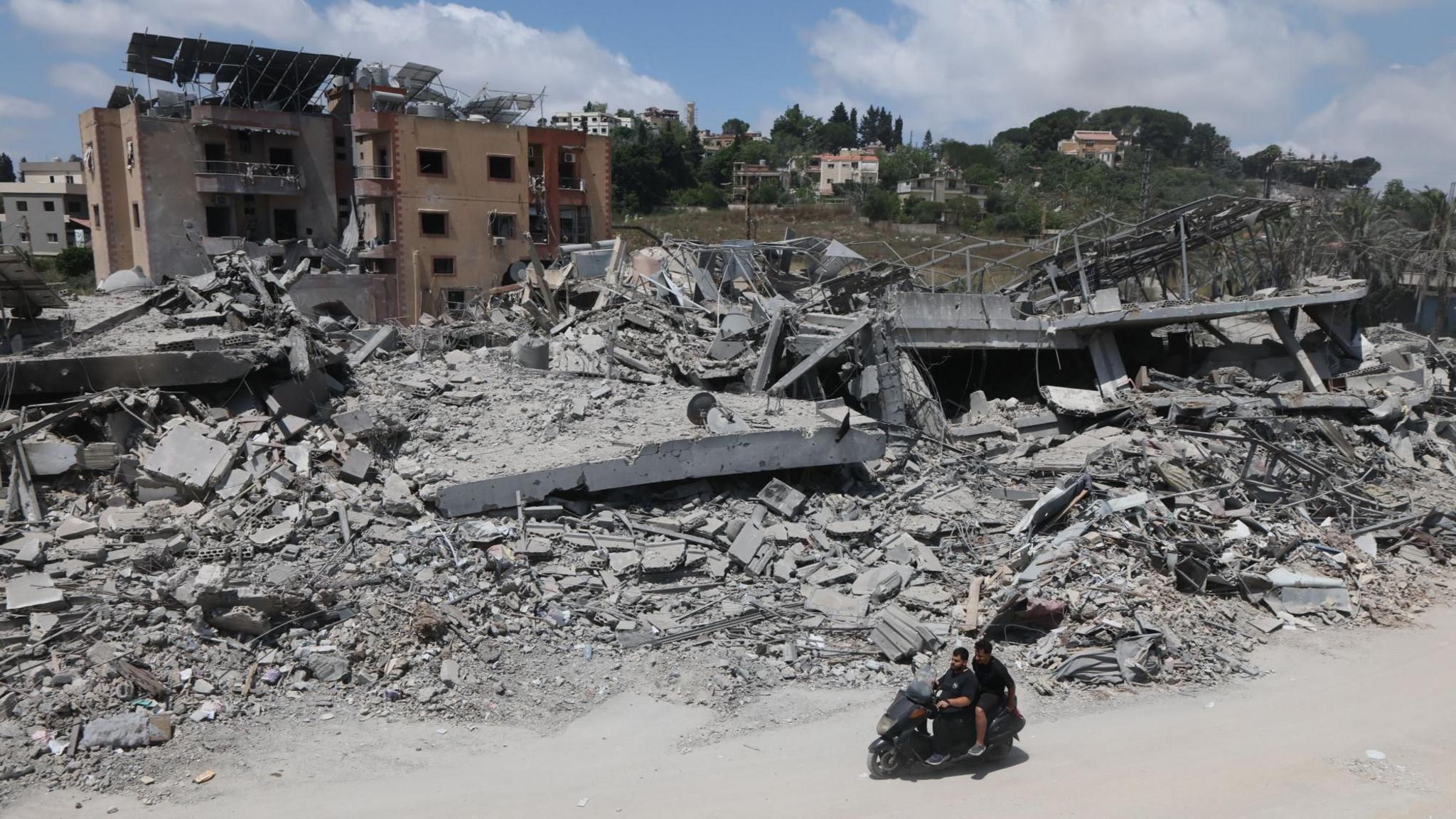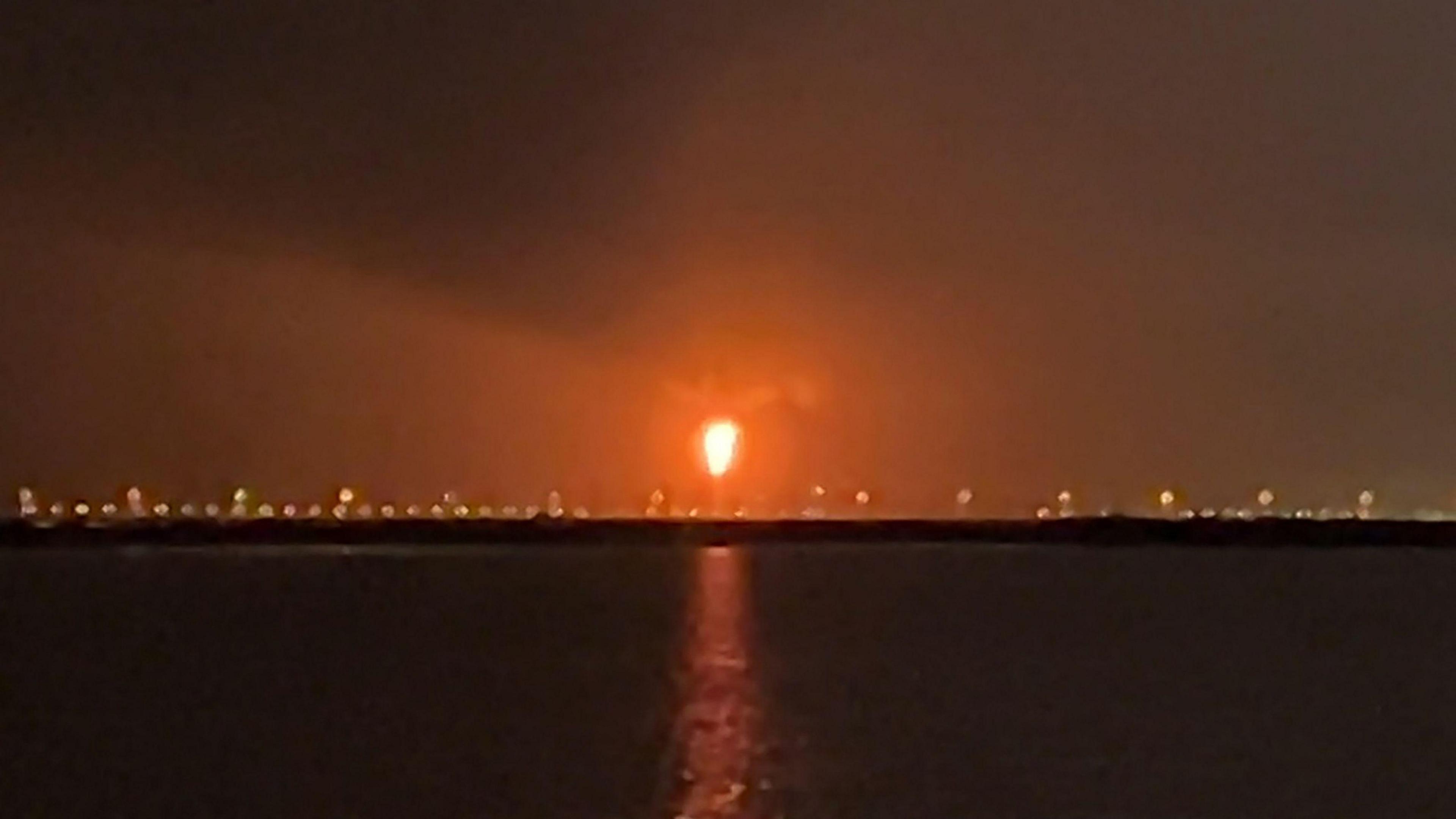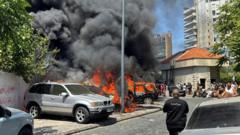
Israeli air strikes have killed at least 17 people in southern Lebanon, according to Lebanese state media, most of the casualties occurring in the towns of Tayr Debba, Deir Qanoun el‑Nahr, Seddiqin and the coastal city of Sidon.
These strikes, part of a broader campaign that includes artillery bombardment across the coastal belt, have damaged critical infrastructure and triggered fires that have exacerbated local air pollution and soil erosion. Satellite imagery shows burn scars around historic agricultural zones, threatening water quality in nearby rivers that serve vulnerable communities.
Hezbollah claims it struck Israeli troops in southern Lebanese areas, adding to the complex security environment. Meanwhile, the United Nations has announced a human‑rights investigation to assess possible violations committed by all parties since March, underscoring the need for accountability amid the humanitarian crisis.
Lebanon is already facing a climate crisis marked by rising temperatures, drought and flooding. The repeated bombardments amplify environmental risks, damaging ecosystems that support local food security and increasing the displacement of communities dependent on fragile natural resources.
With only a tentative cease‑fire reached in April, tensions remain high, and the international community stresses both humanitarian and environmental protection as essential components of any long‑term resolution.