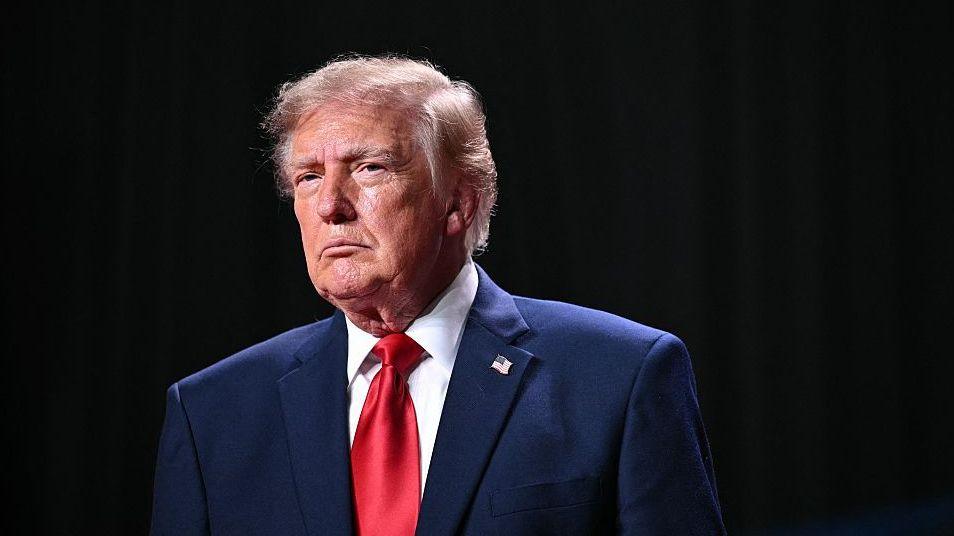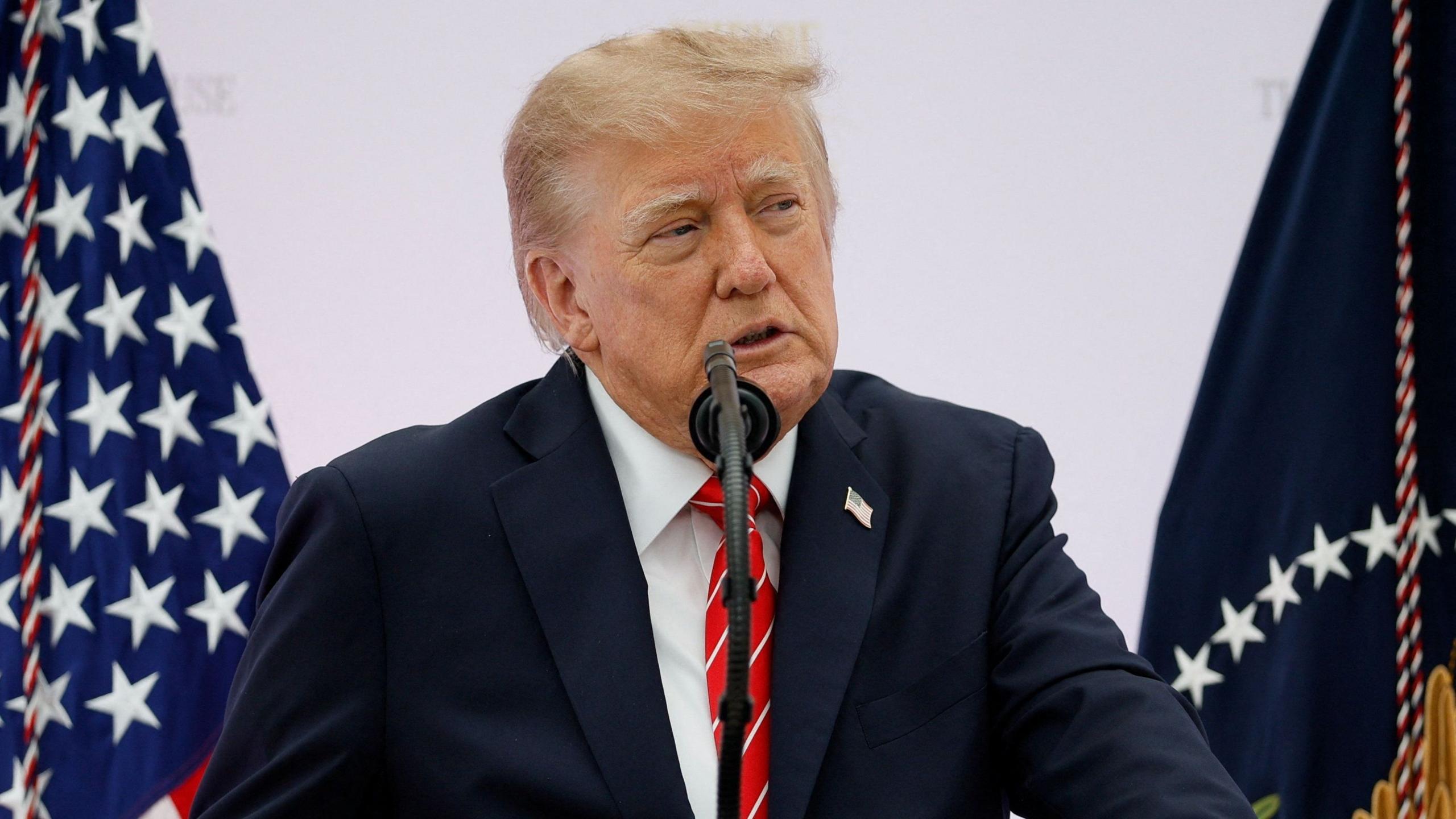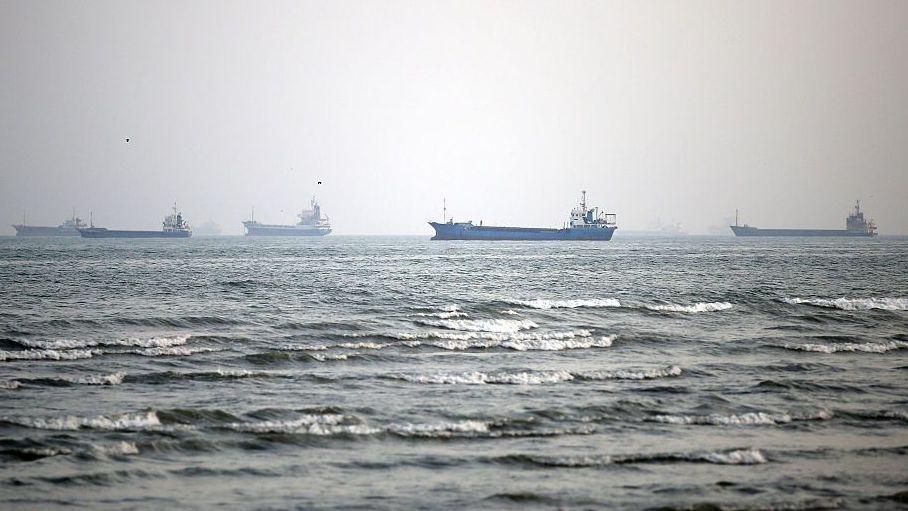

Trump’s sudden deal with Russia to import diesel marks a striking reversal from the administration’s earlier sanction‑based policy that had banned American imports of Russian oil and gas. The agreement, announced only weeks after the president signed legislation authorising new tariffs on Russian fuel, comes as U.S. diesel prices climb to record highs.
The timing is no accident. Farmers in the Midwest and truckers across the country rely on diesel to move produce and goods; higher prices ripple through the entire economy, driving up inflation. Facing mounting public pressure, Trump says the hijacked supply will “lift the price for American farmers, ranchers and truckers.” His reassurance follows an ineffective push to tap deeper U.S. oil reserves and a temporary deferment of fuel‑related federal taxes.
From a climate perspective, the deal raises alarms. By allowing Russian diesel onto U.S. and global markets, the administration may provide the hard currency that fuels military operations abroad, while adding another fuel source that emits CO₂ and other pollutants. Ukrainian President Volodymyr Zelensky blasted the pact as a “gift to Putin” and a potential “investment in a war that must be ended.”
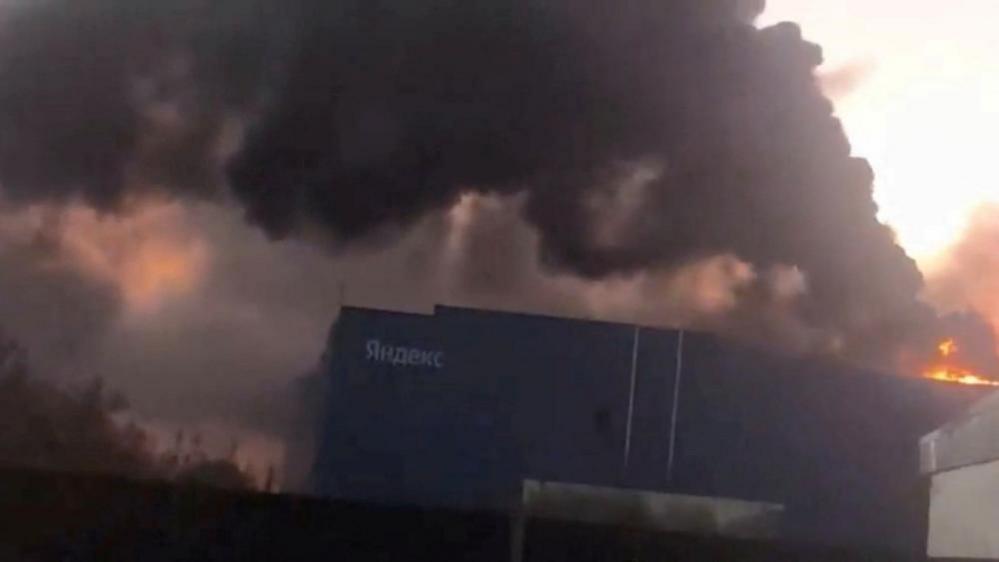
Concrete market impact remains unclear. The U.S. consumes roughly 3.6 million barrels of diesel a day; the proposed shipment of 300,000 metric tons equates to about half a day’s worth of use. Analysts note that the influx could take weeks to materialise, and Russia’s own refinery output has taken a hit from repeated Ukrainian strikes—strikes that the Trump administration has encouraged to curb.
Politically, voters in states such as Iowa, Kansas, Texas and Ohio—hard‑hit by fuel costs—could see the deal as a vindication of Republican stewardship. Early voting has already commenced in several key territories, and the midterms are shaping up as a close contest. Whether the fuel relief will translate into votes remains to be seen.
Beyond the ballot box, the policy sets a troubling precedent for U.S. energy strategy. The American automotive sector is already racing toward electric alternatives, and the voluntary shift away from diesel is a cornerstone of many climate agreements. Importing more diesel from a conflict‑zone producer risks undermining those commitments and complicates the nation’s path to net‑zero emissions.
In summary, Trump’s Russian diesel deal illustrates the conflict between striving for immediate political and economic relief and sustaining long‑term environmental and security objectives. As markets react and the 2026 election approaches, stakeholders will weigh whether the promise of lower pump prices outweighs the risks to climate goals and national stability.