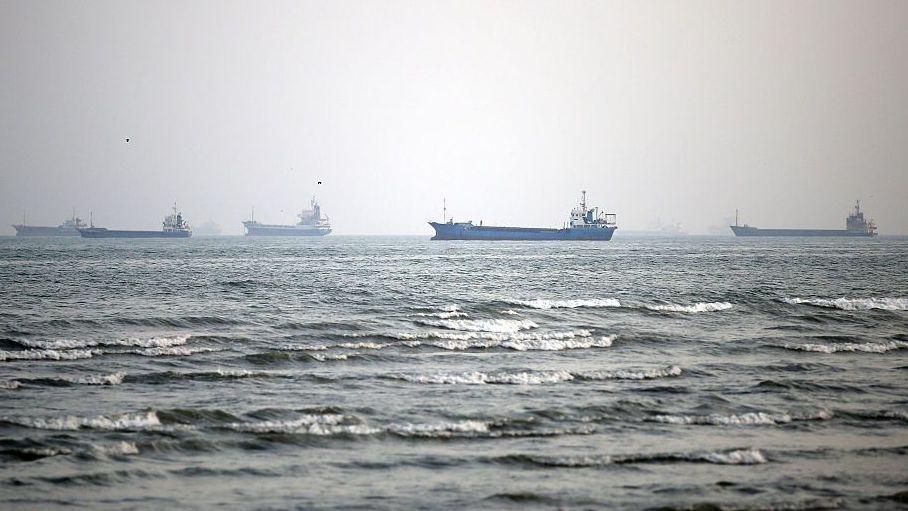
Oil Tanker Attack Raises New Climate Risk in Gulf Waters
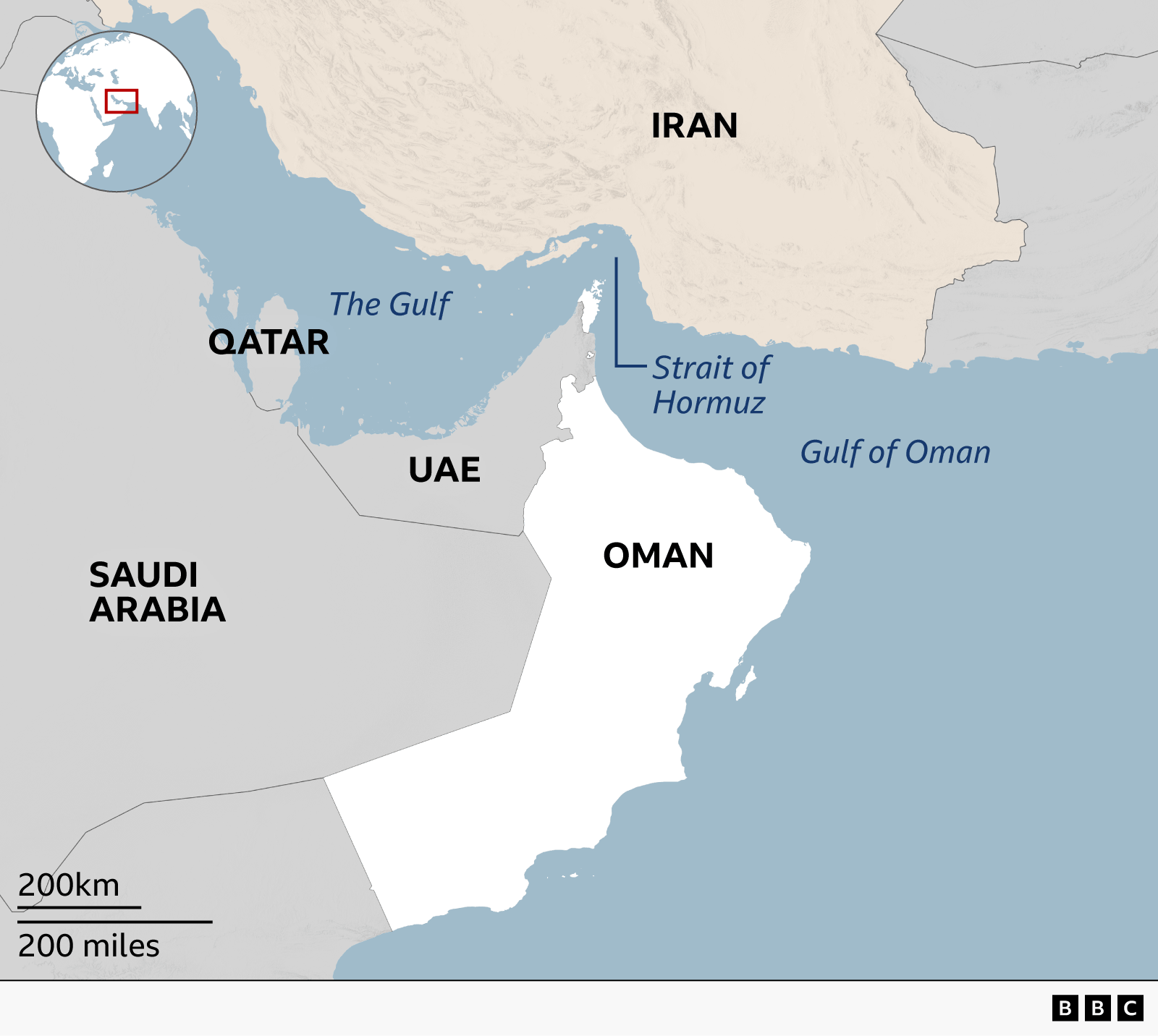
A Caribbean‑flagged oil and chemical tanker was struck by a volley of projectiles 51 nautical miles (94 km) north of Qatar, according to the United Kingdom Maritime Trade Operations. The incident caused casualties among the crew and has heightened concerns about a potential oil spill in one of the world’s busiest maritime corridors.
Maritime intelligence firm Vanguard identified the vessel as the Antigua and Barbuda‑flagged Acers, which had been sailing toward the Strait of Hormuz. That strait, a choke‑point for about a fifth of global oil and gas exports, has been largely closed since February amid U.S.–Iran tensions. The attack marks the first time a ship has been hit this far west of the strait, underscoring how security clashes can spill into maritime safety and environmental protection.
At least 24 seafarers have been killed in 93 confirmed attacks on merchant ships since the conflict began, the International Maritime Organization (IMO) reports. The most recent casualty was in September, when two sailors died after a tanker was struck near Oman’s Musandam peninsula. These incidents not only threaten lives but also pose severe risks of leaking hazardous hydrocarbons into coastlines and marine habitats.

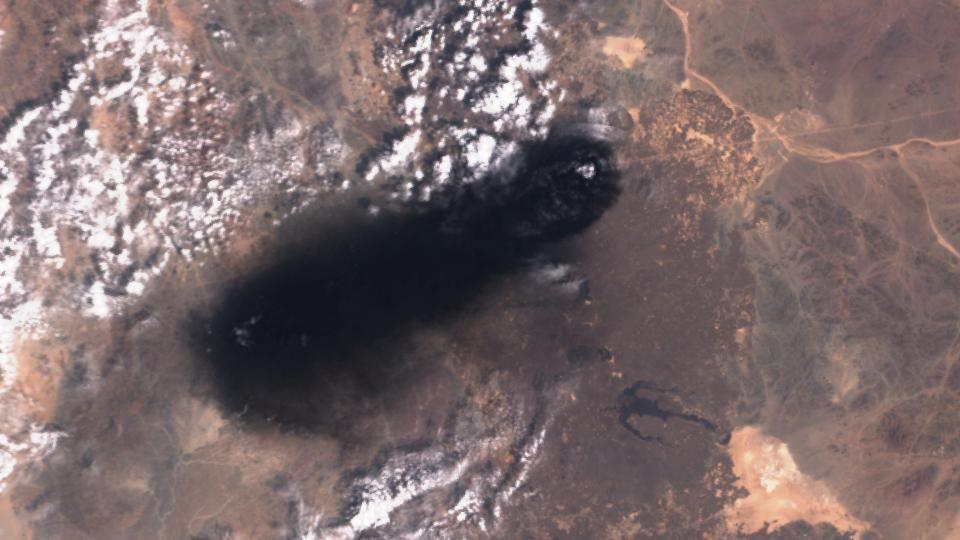
The incident also highlights the interconnectedness of geopolitical conflict, shipping routes, and climate resilience. A breach in an oil tanker could release millions of gallons of oil, exacerbating marine pollution, disrupting fisheries, and adding to the region’s already elevated carbon footprint. This risk underscores the urgent need for stronger, climate‑adapted maritime governance, including stricter anti‑piracy protocols, rapid-response spill‑containment training, and a coordinated shift toward low‑emission vessels.
Experts say that while secure shipping lanes remain essential for energy supply chains, the risk to ecosystems must drive innovation in shipping design and route planning. Efforts such as the International Maritime Organization’s Green Shipping Initiative and the development of autonomous, fuel‑efficient vessels can reduce both operational risks and greenhouse gas emissions. As tensions persist, safeguarding the Gulf’s marine environment demands a dual focus on security and climate stewardship, ensuring that political disputes do not ignite environmental disaster.