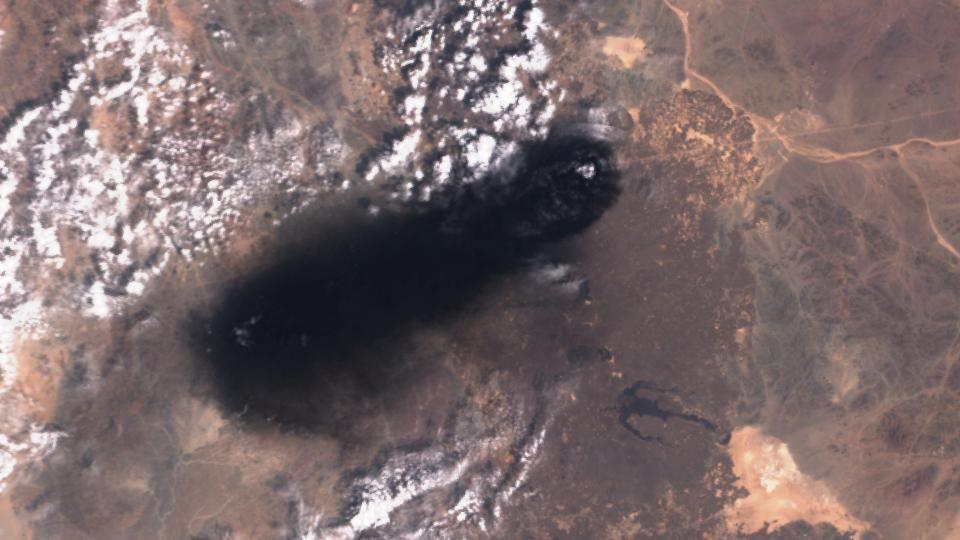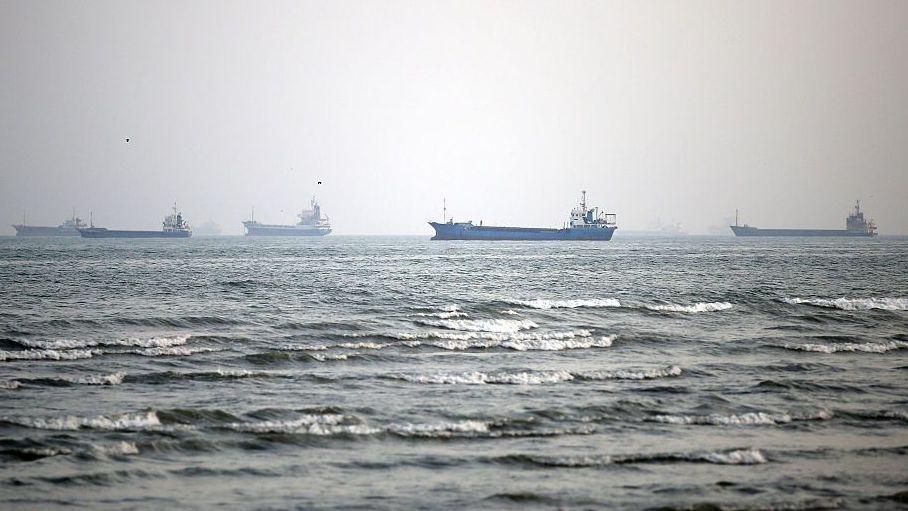
A tanker in the Gulf of Oman was struck by multiple projectiles 51 nautical miles north of Qatar, the United Kingdom Maritime Trade Operations (UKMTO) said, with casualties reported. The maritime intelligence firm Vanguard identified the vessel as the Antigua‑and‑Barbuda‑flagged Acers, which was carrying oil and chemicals when it was hit.
This incident represents the latest in a series of attacks on merchant ships in the area, following the start of the US–Israel war with Iran in February. The United Nations’ International Maritime Organization (IMO) reports that 24 seafarers have died in 93 confirmed attacks to date, and the last fatal incident occurred on 9 September when the Panama‑flagged tanker El Gaia was hit in the Strait of Hormuz.
Engineers and security experts point out that any fire or collision in such a congested waterway poses a high risk of oil spills, which could damage fragile marine habitats and exacerbate greenhouse‑gas emissions from damaged equipment.
The Strait of Hormuz, through which roughly a fifth of global oil and gas shipments pass, was effectively closed after Tehran’s missile and drone strikes on commercial vessels and a US naval blockade of Iranian ports began. A preliminary peace agreement in June reopened the strait, only for attacks to resume and the blockade to be reinstated.
Researchers from Kpler estimate that crude export levels through the strait have rebounded to about 12 million barrels per day—80 % of pre‑war figures—highlighting the commercial stakes involved. The incident underscores the need for robust maritime security and environmental safeguards to protect an essential global supply chain and the surrounding ecosystems.