The United States announced a set of sanctions targeting the International Criminal Court (ICC), a move that could reshape the architecture of global justice and put pressure on the court’s capacity to hold states and leaders accountable for crimes that intersect with environmental policy.
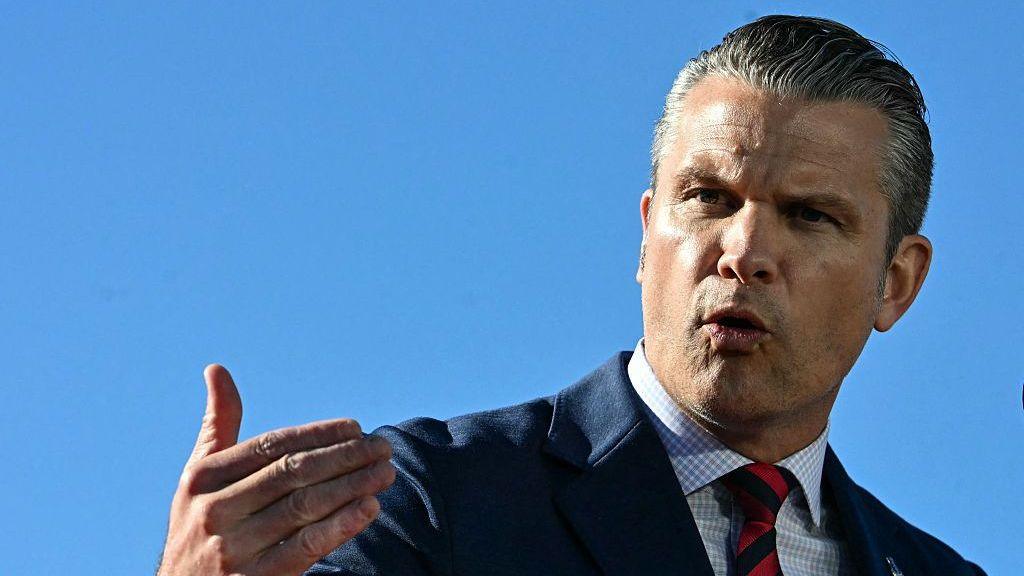
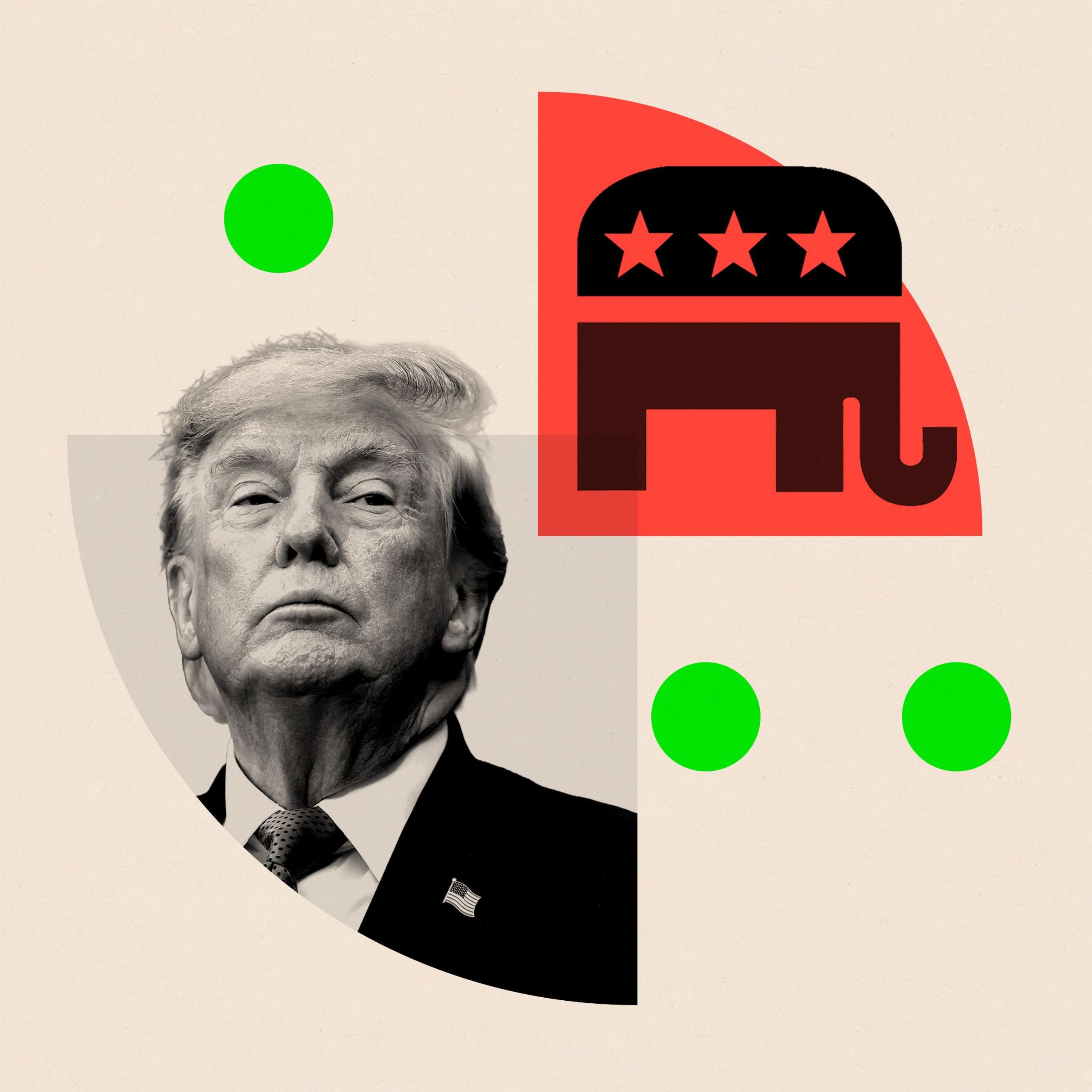
In a statement delivered in Washington, Secretary of State Marco Rubio said the sanctions—banning U.S. companies from conducting transactions with the ICC—were designed to defend U.S. sovereignty and prevent what he described as an attempt by the court to prosecute Americans. The United States has never ratified the Rome Statute that established the ICC, a fact it cites as a basis for its opposition to the tribunal’s jurisdiction.
The ICC framed the sanctions as a direct attack on the rule of law, arguing that they would be used to intimidate those who cooperate with the court. “It will not be deterred,” the prosecutor for the court said, highlighting its resolve to pursue investigations that include war crimes, crimes against humanity and genocide.
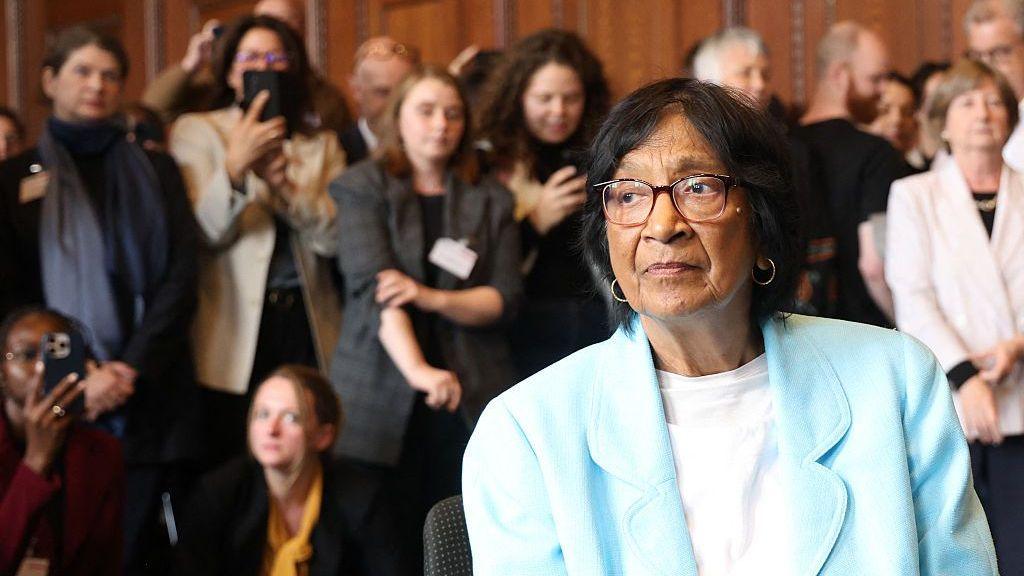
These tensions erupted just hours after former ICC judge Navi Pillay received the Nobel Peace Prize for her work advancing international law and peace. Pillay’s contributions to the fight against climate injustice have been recognised by many climate activists, adding a highly symbolic dimension to the dispute.
Beyond the immediate legal conflict, the sanctions carry broader implications for the fight against climate‑related crimes. The ICC has already investigated the environmental damage caused by U.S. operations in Afghanistan and has issued arrest warrants against Israeli officials for alleged war crimes linked to the upland conflict. By restricting the court’s financial and operational resources, the United States risks weakening the international community’s ability to hold state and corporate actors accountable for environmental harm that crosses borders.
As climate science outlines ever‑widening environmental hazards, global governance bodies are increasingly turning to legal frameworks to address responsibility for environmental degradation. If the ICC’s powers are curtailed, the precedent could crack down on accountability mechanisms that have already begun to investigate pollution, resource extraction and the rights of indigenous communities on the frontlines of climate change.
For environmental scientists, civil‑society activists and policy makers, the sanctions underscore the fragile link between national sovereignty and global environmental stewardship. Continued support for the ICC and other international legal institutions will be crucial to maintain a system that can demand accountability from the largest polluters and safeguard vulnerable ecosystems and peoples worldwide.