Zambia finalises a five‑year U.S. health‑financing agreement after months of public dispute over data sharing.
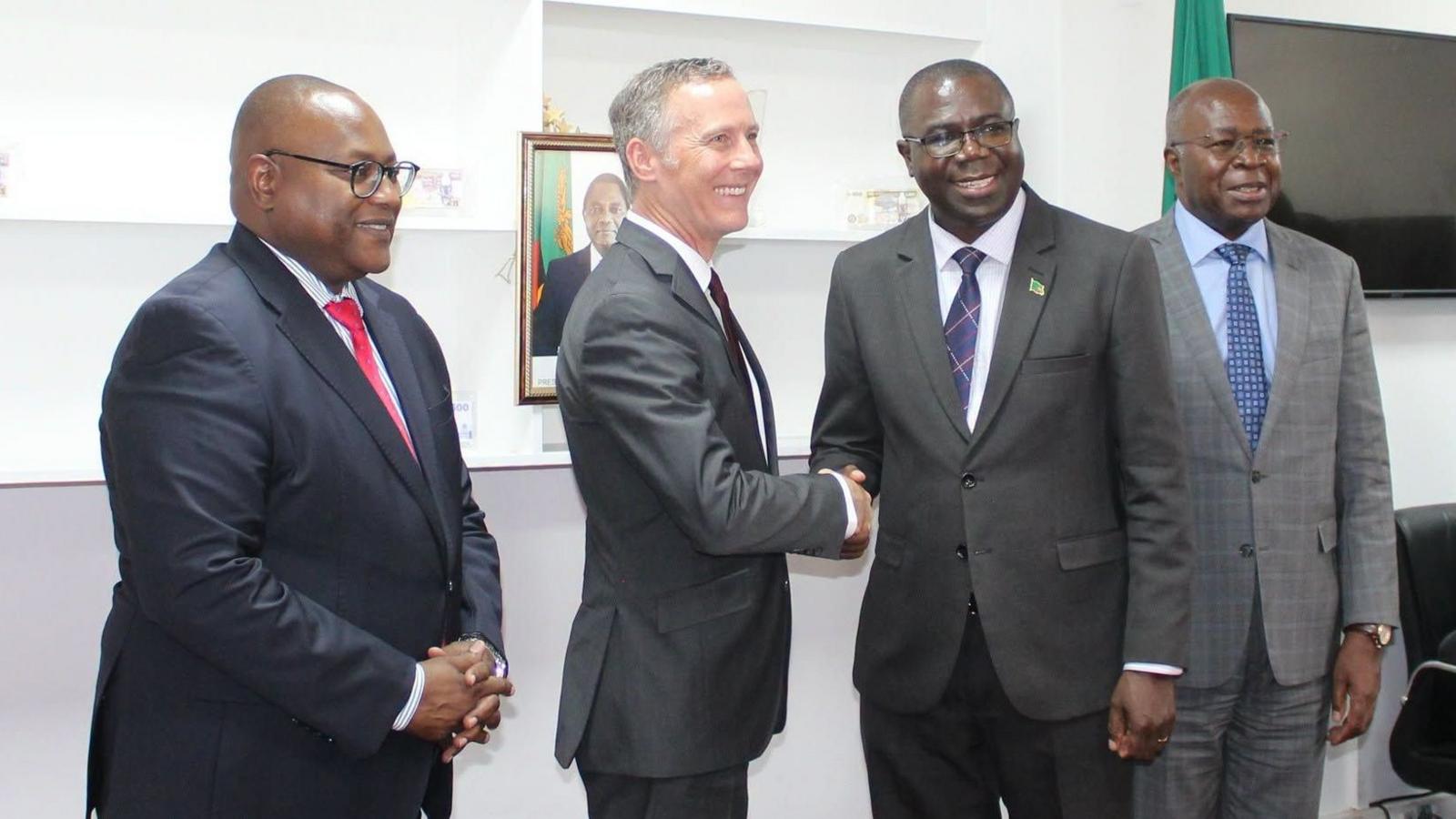
The memorandum of understanding, signed in Lusaka on Thursday, commits the U.S. to about $1.5 billion for HIV, tuberculosis, malaria, maternal and child health, disease surveillance and workforce recruitment. Zambia will also contribute from its own budget.
Civil‑society activists initially opposed a leaked draft that would have given Washington broad access to patient records and biological samples. The revised text removes clauses that would have sent specimens abroad, limits data exchange to programme monitoring, and safeguards intellectual property and benefit sharing.
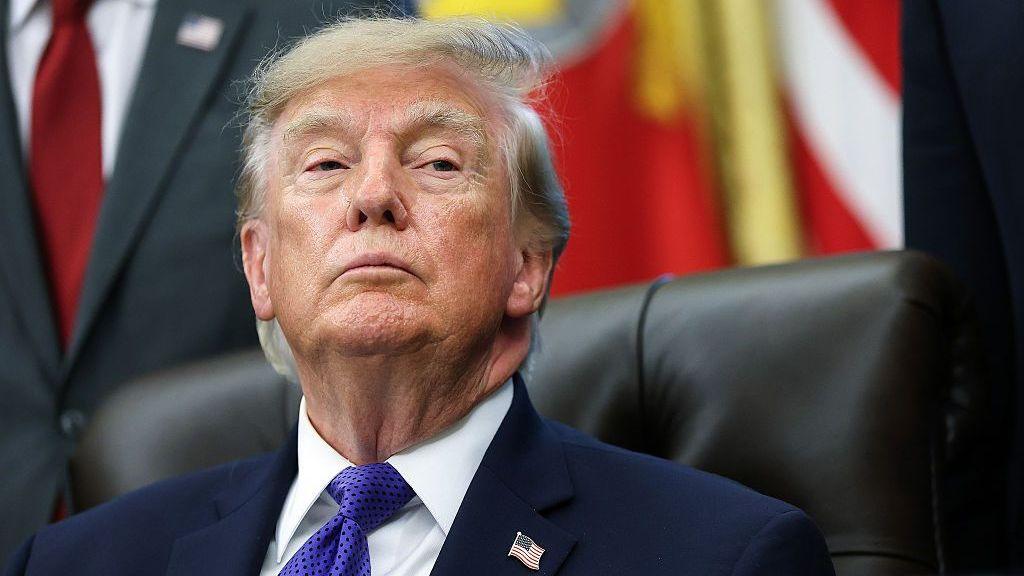
Opponents also feared that health money was tied to preferential access for U.S. mining firms to Zambia’s copper and other critical mineral reserves. The U.S. ambassador denied any linkage, and the new deal replaces the large chunk of funding that previously flowed through USAID, which closed under Trump’s administration.
Officials say the arrangement represents a move from a donor–recipient model toward shared responsibility, as U.S. funds are set to fall over five years while Zambia ramps up domestic spending. The package, covering 2026 to 2030, is valued at roughly $3.6 billion, though Zambia’s share is still being quantified.
The agreement comes as the U.S. has renewed focus on health programmes in Africa, arguing that better‑aligned funding will strengthen disease surveillance and rapid response to outbreaks such as the current Ebola crisis in the Democratic Republic of Congo.