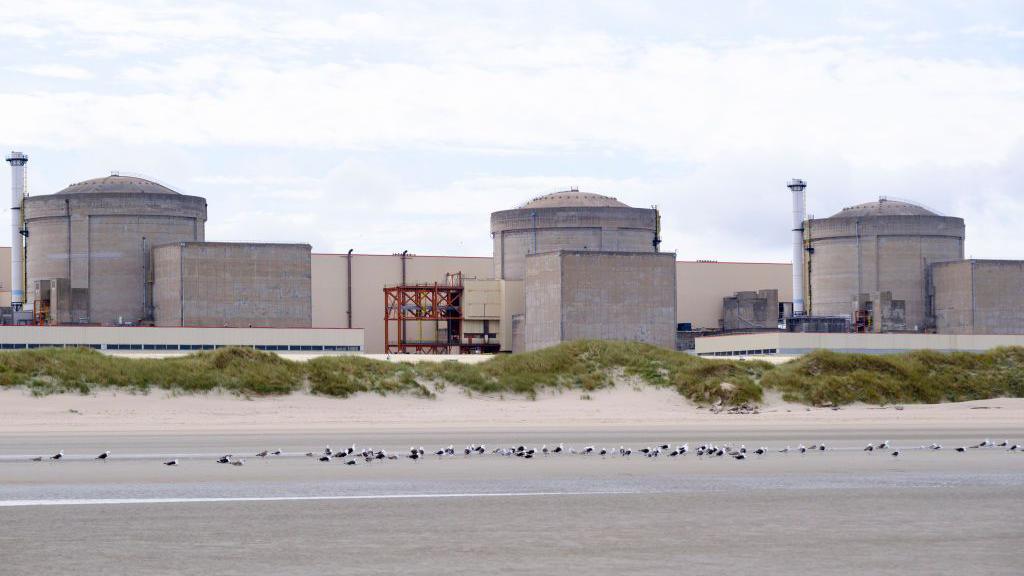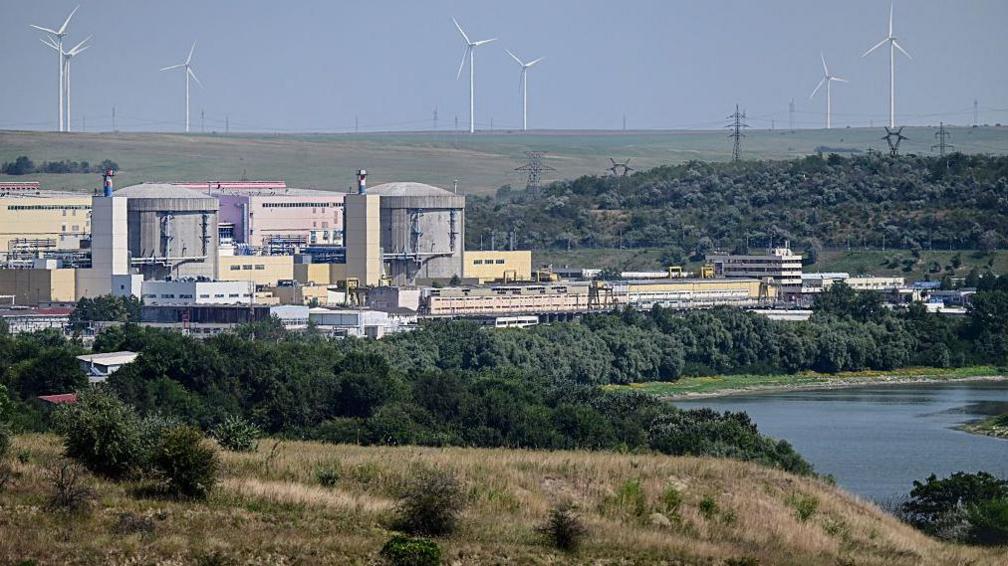
During a blistering August heatwave, Romania’s only nuclear power plant at Cernavodă has been forced offline when the Danube River’s water level fell to its lowest in three decades. The plant, which produces about 20% of the country’s electricity, could not restart the second 706‑megawatt reactor within ten days because the cooling water was simply too shallow for the suction nozzles to reach.
Authorities attempted to alleviate the problem by sinking rock‑laden barges into the river to raise flow, yet the water depth remained below the critical threshold.
The first reactor was already shut in July, and Cernavodă has only been offline once before in 2003. Since the shutdown, Romania’s hydropower output has also declined sharply as the river sags, leaving solar and wind to shoulder most of the daytime load. During evenings, the shortfall is counterbalanced by increased coal‑ and gas‑based generation and cross‑border imports.
Hungary’s only nuclear plant at Paks, which also relies on Danube water, has so far managed to stay online, though its operator has warned of a possible full shutdown should water levels stay low. The differing outcomes highlight how fragile water‑dependent energy systems are in the face of European heatwaves.
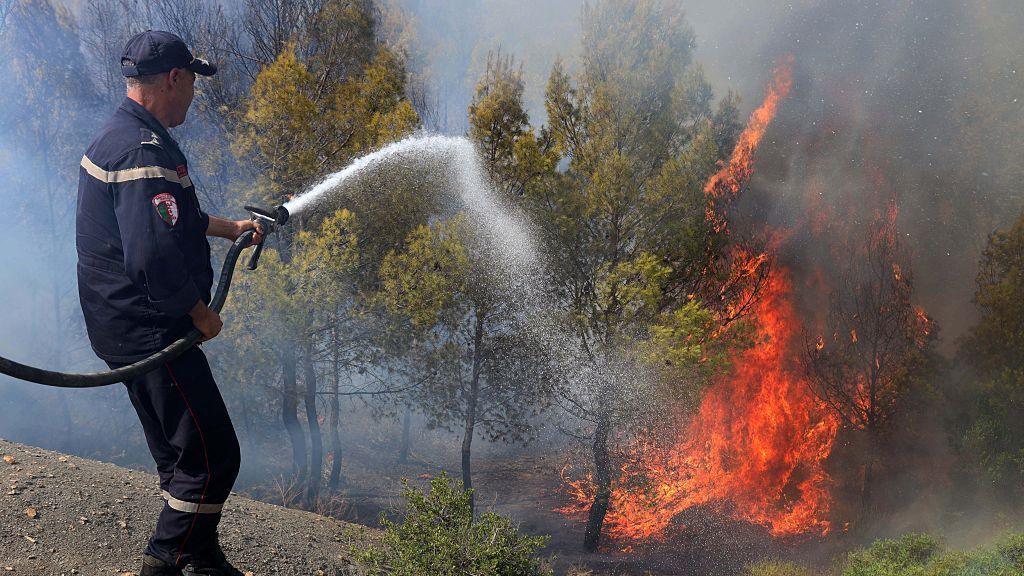
The record low water in the Danube mirrors a broader drought that has hit European rivers, including the Rhine, and has stressed agriculture, transport and urban water supplies. Copernicus climate reports show Europe is warming twice as fast as the global average, amplifying heatwaves and reducing river flow.
Romanian officials anticipate that the nuclear reactors will be able to resume operation once the river’s flow improves, but the incident underscores the urgent need for adaptive infrastructure and alternative cooling options in a warming world.