In brief
Neal’s electricity grid, built almost entirely on water power, suffered a 10% capacity loss after last month’s flash floods, killing over 1,300 people and crippling 12 major plants. The disaster has highlighted the perils of an energy system tied to the rapidly melting Himalayan glaciers. Experts say Nepal must diversify to solar, wind and safer reservoir‑based hydropower to build resilience. International financing and early‑warning systems are urgently needed to protect communities and sustain green ambitions.
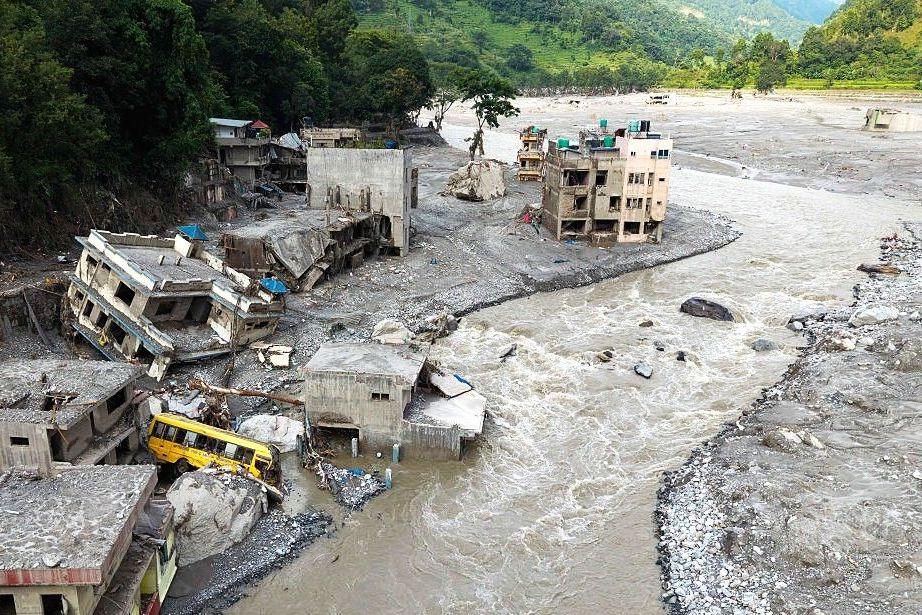
Almost all of Nepal’s power comes from hydropower plants, which also generate close to $200 million in export revenue. The last week’s catastrophic floods — fueled by melting glaciers and unprecedented cloudbursts — wiped out more than ten percent of the country’s electricity capacity and claimed over 1,300 lives.
Flood‑affected villages along the Trishuli River basin near the Nepal‑Tibet border destroyed 12 hydropower facilities owned by private firms and the state, raising questions about design and site selection amid rapidly changing mountain conditions.
Hydropower is cheap and abundant, but the Himalayas are warming 50% faster than the global average, turning glaciers into fragile reservoirs that now feed into dangerous flash floods. Scientists say a collapsed glacier may have triggered this week’s deluge, underscoring the link between glacial melt and hydropower security.
Experts call for a “rethink” of Nepal’s energy strategy, adding that about ten times more electricity could be produced from the country’s untapped solar potential. Solar and wind projects, along with reservoir‑based hydropower that allows controlled releases, could reduce the reliance on high‑altitude, flood‑prone turbines.
International lenders, including the Asian Development Bank and the International Finance Corporation, financed the Upper Trishuli‑1 project in a region that has suffered repeated floods in recent years. Reports reveal that these lenders were aware of the risks but did not implement stringent risk assessments or backup plans.
Insurance payouts for flood damage to more than twenty privately owned plants have already reached $40 million, causing premiums to rise and threatening the viability of new projects.
Climate‑policy advocates argue that, while hydropower remains a low‑emission option, Nepal must diversify to avoid catastrophic shocks. The UN climate delegation stresses that Nepal is not the main culprit of greenhouse emissions but must nonetheless share data and collaborate on early‑warning systems with global partners, especially India and China, whose shared rivers now face heightened flood risk.