In brief
A catastrophic flash flood along the Nepal‑Tibet border left more than a thousand dead and thousands missing, spurring the United Nations and national forces to surge relief operations. Scientists linked the disaster to a collapsed glacier amid a climate‑driven thaw, underscoring risks of Himalayan water events. Himalayan overstretched infrastructure, destroyed bridges, and limited access have hampered rescue, prompting use of drones, helicopters and temporary bridges. The Nepali Prime Minister calls for a global climate‑action pact as the humanitarian appeal looms. Families await reunification while aid pours in across collapsed villages.
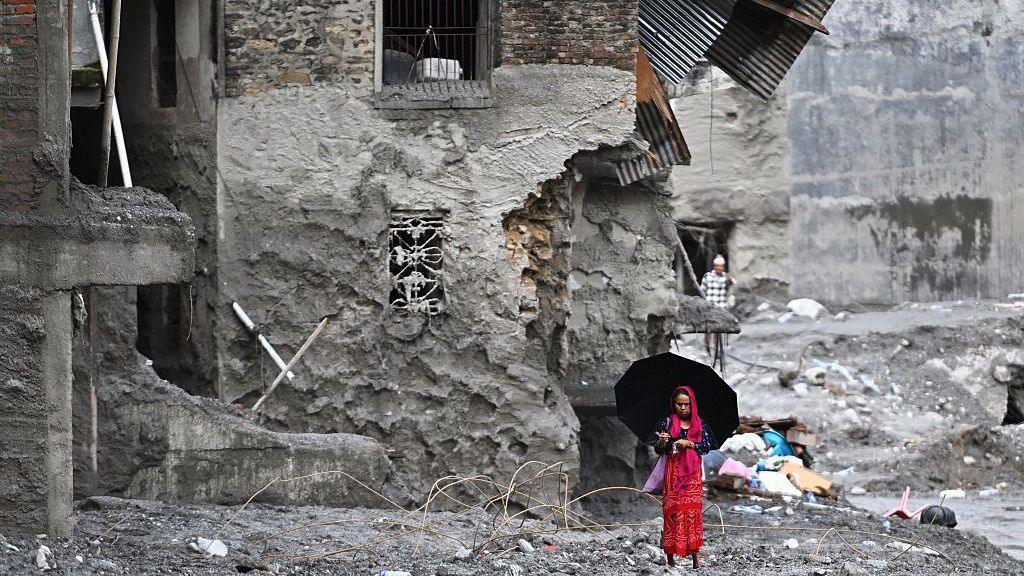
The United Nations is ramping up Nepalese relief and recovery efforts after last week’s deadly flash floods along the Nepal‑Tibet border, with rescuers racing to reach survivors and locate missing persons.
More than 1,200 people have died in Nepal, and over 4,200 are missing, according to the national disaster agency. Chinese state media report 21 deaths and 540 missing on the Tibetan side, reflecting the scale of the catastrophe on both sides of the border.
Scientists point to a glacial collapse as the trigger, a phenomenon growing in frequency as Himalayan ice and permafrost melt under climate change. The collapse unleashed a torrent that swept through a valley, destroyed villages, and flooded an entire district.
Rescue operations have faced severe access challenges: over 40 bridges were destroyed, and most remote communities rely on army helicopter flights for aid. Drones and temporary bridges built by Chinese and Indian experts are now helping to reach hard‑to‑reach areas.
The Nepali Prime Minister, Balendra Shah, urged Parliament to focus on protecting survivors, providing medical treatment and psychological counselling. He said the disaster “snatched away mothers, fathers, sisters, and brothers in an instant” and called for a global climate‑action pact to mitigate similar future events.
The government and the UN have agreed on a four‑month humanitarian flash appeal, aiming to finance aid to families of the dead, relocate displaced people, and deploy further military support. The humanitarian appeal covers 15 affected districts, including Nuwakot and Rasuwa, where almost 3,500 people have lost homes and schools have been turned into temporary shelters.
Despite the fierce weather, INSANE effort continues to rescue hundreds of trapped workers in hydropower tunnels, with drones scanning for survivors amid the rubble. The unfolding crisis has set a chilling reminder that the Himalayas, and regions across the globe, face heightened risks from climate‑driven glacier instability and sudden flooding.