In brief
Canada’s new $504 million research programme is bringing in 64 faculty, most from U.S. universities, including climate and medical experts. The move follows federal budget cuts and a hostile political climate in America. Key figures such as Seth Guikema and Peter Caravan will focus on climate resilience and disease detection at Canadian institutions. The shift highlights widening brain‑drain tension between the two neighbours.
Canada announces a $504 million partnership to recruit 64 U.S. academics
Under a fresh government programme, Canadian universities will receive a C$504 million budget to bring in academics from the United States and elsewhere. The cohort, a mix of climate scientists, medical researchers and humanities scholars, will be named across the country, with the first announced at the University of Western Ontario and the University of British Columbia.
About 75‑percent of the 64 professors are U.S.‑based, according to the Ministry of Industry. Many of the individuals cite the shrinking federal research budgets following the Trump administration’s “wasteful grant” policy as a major factor in their decision to relocate.
Case in point: Climate resilience expert moves to Canada
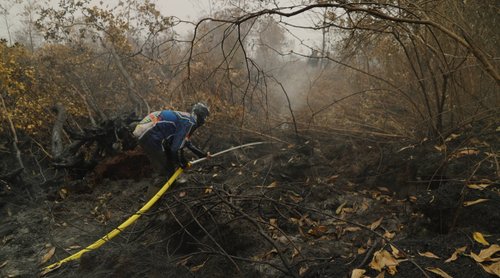
Seth Guikema, who heads a climate resilience group at the University of Michigan, said the U.S. funding environment for climate research had become unstable. “I wanted a place where I could have a practical impact,” he notes. “The Canadian grant will allow me to build tools for better storm and wildfire preparation at Western Ontario.”
Medical research also on the move
Former Massachusetts General Hospital and Harvard professor Peter Caravan will conduct advanced cancer biomarker work at UBC. “The U.S. environment feels increasingly hostile and uncertain,” he told reporters.
American universities in crisis
U.S. academics are warning of a “generational disaster” for science, as federal and state grant cuts roll out. A voice from the American Association of Colleges and Universities says the real danger is that the U.S. may no longer be seen as the sole hub for cutting‑edge research.
Diplomatic backdrop
The Canadian move comes amid a trade war with the United States, including tariff disputes over Canada’s role in expanding the U.S. supply chain for tech products. Immigration of scientists is seen as both a competition and a response to political pressure.
Industry Minister Melanie Joly welcomed the talent influx: “We’re glad that these brilliant minds are choosing Canada. Our decision is sovereign and independent.”
The programme’s success will be measured by how much the new research can contribute to climate action and health outcomes in Canada, while the U.S. watches closely to see whether it can retain its scientific excellence.